THE ADVENTURE COLLECTIVE® · Independent discovery and booking for outdoor travel

Spend a long, decisive day moving from the Egyptian Museum to the Giza plateau and Old Cairo. This guided tour packs the country’s defining sites—Tutankhamun’s treasures, the Great Pyramid and a Nile felucca—into a single, full-day experience.
Spend a long, decisive day moving from the Egyptian Museum to the Giza plateau and Old Cairo. This guided tour packs the country’s defining sites—Tutankhamun’s treasures, the Great Pyramid and a Nile felucca—into a single, full-day experience.
The day opens before dawn: a hotel pick-up, a long highway ride out of the Red Sea coast and into the swell of the Nile valley. By midmorning the city’s grit and scale arrive — a tangle of stone, river and traffic that frames the flattened silhouette of the Giza plateau. The tour places visitors in the middle of Egypt’s story, moving from glass cases of gold and papyrus scrolls to the silent, wind-abraded faces of the pyramids.
Verified experiences and guided adventures in the surrounding area.
Operated by Funny Picnic · Cairo, Cairo Governorate
The day opens before dawn: a hotel pick-up, a long highway ride out of the Red Sea coast and into the swell of the Nile valley. By midmorning the city’s grit and scale arrive — a tangle of stone, river and traffic that frames the flattened silhouette of the Giza plateau. The tour places visitors in the middle of Egypt’s story, moving from glass cases of gold and papyrus scrolls to the silent, wind-abraded faces of the pyramids.
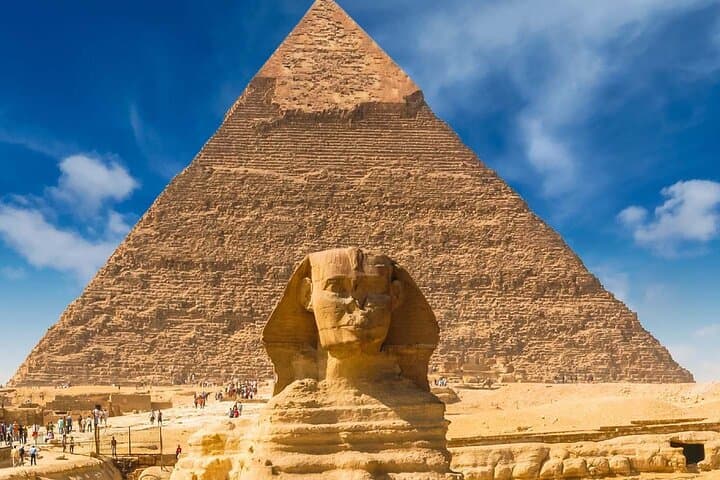
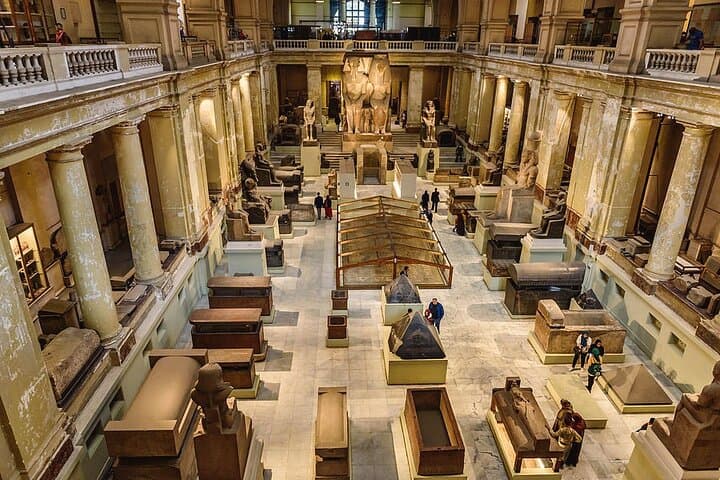
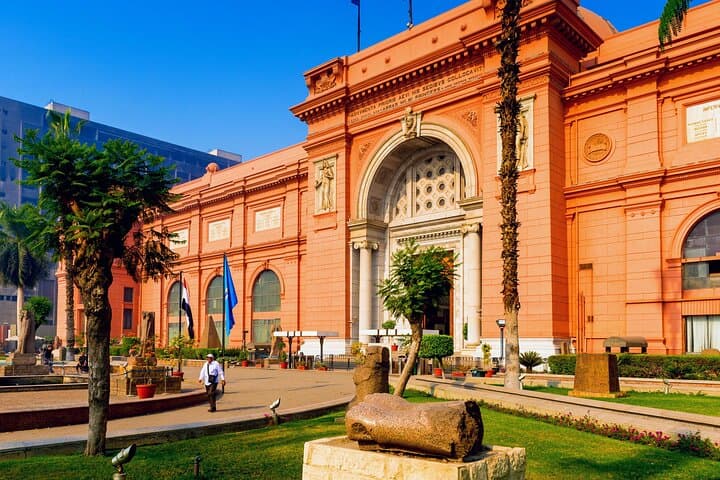
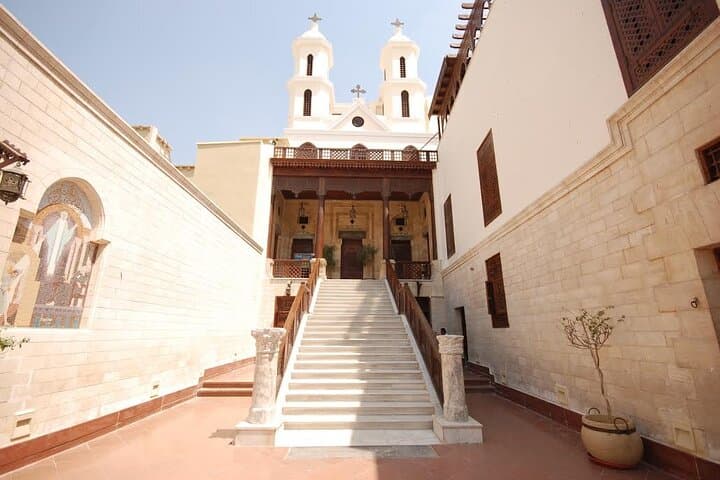
At the Egyptian Museum, guides trace pharaonic timelines through artifacts — the funerary craft behind Tutankhamun’s mask, and the layers of conquest that shuffled Egypt’s collections. Geologically the Giza plateau is a limestone cap, worked over millennia by quarrying and wind; the pyramids sit on bedrock that helped them endure. Old Cairo introduces a different layer of culture: Coptic churches, narrow lanes and markets where papyrus and natural oils are still made by hand.
Practical notes: expect a long day with multiple short walks, stairs and uneven stone underfoot. Carry identification for ticketing, and know that major sites often require separate entrance fees. Timing matters — morning and late afternoon light are best for photos, while mid-day can be hot and dusty. A short felucca ride on the Nile near the tour’s close offers a calmer perspective of the city’s edge — the river pulling the day toward evening.
This itinerary is ideal for travelers comfortable with long transfers who want concentrated access to Egypt’s headline sites in a single, carefully guided day.
moderate.
Up to 20 hours (full-day with long transfers).
Suitable for travelers in average fitness who can manage long bus rides and several hours of standing and walking.
Entrance fees are typically not included; the operator will confirm at booking and can advise on on-site ticket purchase or meet-and-assist services.
Transfers listed for this itinerary can be 6–7 hours each way depending on the starting point — expect a very long travel day and prepare accordingly.
Access inside the Great Pyramid is limited and often requires a separate ticket; the Sphinx is viewed from the Giza plateau area but interior access is not available.
Photography rules vary: outdoor photography at Giza is allowed, but some museum rooms restrict cameras or charge a photography fee — check with your guide on arrival.
The Giza pyramids date to Egypt’s Old Kingdom (c. 2600–2500 BCE) and were built on a limestone plateau that served both funerary and quarrying purposes; the Egyptian Museum houses many artifacts recovered from those tombs and later digs.
High visitor numbers and urban pollution pressure Cairo’s monuments; follow marked paths, avoid touching ancient stone and support local conservation efforts by using authorized guides.
Funny Picnic operates guided outdoor trips and adventures with an emphasis on safety, stewardship, and memorable experiences.
The day opens before dawn: a hotel pick-up, a long highway ride out of the Red Sea coast and into the swell of the Nile valley. By midmorning the city’s grit and scale arrive — a tangle of stone, river and traffic that frames the flattened silhouette of the Giza plateau. The tour places visitors in the middle of Egypt’s story, moving from glass cases of gold and papyrus scrolls to the silent, wind-abraded faces of the pyramids.
The day opens before dawn: a hotel pick-up, a long highway ride out of the Red Sea coast and into the swell of the Nile valley. By midmorning the city’s grit and scale arrive — a tangle of stone, river and traffic that frames the flattened silhouette of the Giza plateau. The tour places visitors in the middle of Egypt’s story, moving from glass cases of gold and papyrus scrolls to the silent, wind-abraded faces of the pyramids.
At the Egyptian Museum, guides trace pharaonic timelines through artifacts — the funerary craft behind Tutankhamun’s mask, and the layers of conquest that shuffled Egypt’s collections. Geologically the Giza plateau is a limestone cap, worked over millennia by quarrying and wind; the pyramids sit on bedrock that helped them endure. Old Cairo introduces a different layer of culture: Coptic churches, narrow lanes and markets where papyrus and natural oils are still made by hand.
Practical notes: expect a long day with multiple short walks, stairs and uneven stone underfoot. Carry identification for ticketing, and know that major sites often require separate entrance fees. Timing matters — morning and late afternoon light are best for photos, while mid-day can be hot and dusty. A short felucca ride on the Nile near the tour’s close offers a calmer perspective of the city’s edge — the river pulling the day toward evening.
This itinerary is ideal for travelers comfortable with long transfers who want concentrated access to Egypt’s headline sites in a single, carefully guided day.