THE ADVENTURE COLLECTIVE® · Independent discovery and booking for outdoor travel

Spend a full day exploring Cairo's major cultural sites: the Egyptian Museum's pharaonic treasures, the Citadel of Muhammad Ali, and the historic lanes of Old Cairo. This private tour pairs professional transport with a walkable schedule for a compact, insightful day in the city.
Spend a full day exploring Cairo's major cultural sites: the Egyptian Museum's pharaonic treasures, the Citadel of Muhammad Ali, and the historic lanes of Old Cairo. This private tour pairs professional transport with a walkable schedule for a compact, insightful day in the city.
You step out of a cooled car into Tahrir Square, the city's pulse thudding around the stone façade of the Egyptian Museum. Sunlight cuts across display cases inside; outside, the Citadel perches on its limestone outcrop, watching the city roll beneath. Old Cairo's narrow lanes hum with vendors and prayer calls, pulling you through layers of history.
Verified experiences and guided adventures in the surrounding area.
Operated by Best Egypt Holiday · Cairo, Cairo Governorate
You step out of a cooled car into Tahrir Square, the city's pulse thudding around the stone façade of the Egyptian Museum. Sunlight cuts across display cases inside; outside, the Citadel perches on its limestone outcrop, watching the city roll beneath. Old Cairo's narrow lanes hum with vendors and prayer calls, pulling you through layers of history.
The itinerary stitches together Pharaonic grandeur, Ottoman-era military architecture and Coptic-Christian Cairo. The museum holds artifacts from the Predynastic through the Greco-Roman periods—stelae, sarcophagi and the statuary that once framed the Giza plateau. The Citadel of Muhammad Ali sits on Mamluk and Ottoman foundations, its mosques and clock tower telling a story of 19th-century modernization and earlier medieval defenses. Old Cairo preserves Late Antique and medieval urban fabric: the Hanging Church and small chapels that mark Egypt's Christian heritage.
Expect uneven pavements, crowded rooms and rooftop views that open onto the Nile corridor. Practicalities matter: the day runs 6–8 hours with substantial walking, admission fees usually separate from tour costs, and mosque visits require modest dress. Carry water, plan for midday heat, and conserve time for small museums and street-side coffee.
Guides here are not just narrators but navigators—moving you through queues and translating layers of context. For trip planning: book an early slot to avoid peak crowds, confirm pickup/drop-off points, and leave room in the schedule for a relaxed lunch or a spontaneous detour into Coptic lanes.
easy.
6–8 hours.
Low to moderate — mostly walking on flat to uneven urban surfaces; casual stamina required for a full day.
No—standard bookings typically exclude museum and monument entrance fees; confirm with the operator before booking.
Many parts of the itinerary and the transport are accessible, but some historic sites have steps or uneven surfaces—ask the operator about specific access needs.
The tour provides a professional driver and can include a guide; verify whether an official Egyptologist guide is included or available as an add-on.
Full refunds are generally available if you cancel at least 24 hours before the scheduled departure; check the booking terms for specifics.
The Egyptian Museum, established in the late 19th century, houses the world’s largest collection of Pharaonic antiquities; the Citadel was fortified by Salah ad-Din in the 12th century and modified by Muhammad Ali Pasha in the 19th.
High visitor numbers put pressure on fragile artifacts and old structures—stick to ropes, avoid flash photography where prohibited, and minimize single-use plastics to reduce local waste.
Best Egypt Holiday operates guided outdoor trips and adventures with an emphasis on safety, stewardship, and memorable experiences.


You step out of a cooled car into Tahrir Square, the city's pulse thudding around the stone façade of the Egyptian Museum. Sunlight cuts across display cases inside; outside, the Citadel perches on its limestone outcrop, watching the city roll beneath. Old Cairo's narrow lanes hum with vendors and prayer calls, pulling you through layers of history.
You step out of a cooled car into Tahrir Square, the city's pulse thudding around the stone façade of the Egyptian Museum. Sunlight cuts across display cases inside; outside, the Citadel perches on its limestone outcrop, watching the city roll beneath. Old Cairo's narrow lanes hum with vendors and prayer calls, pulling you through layers of history.
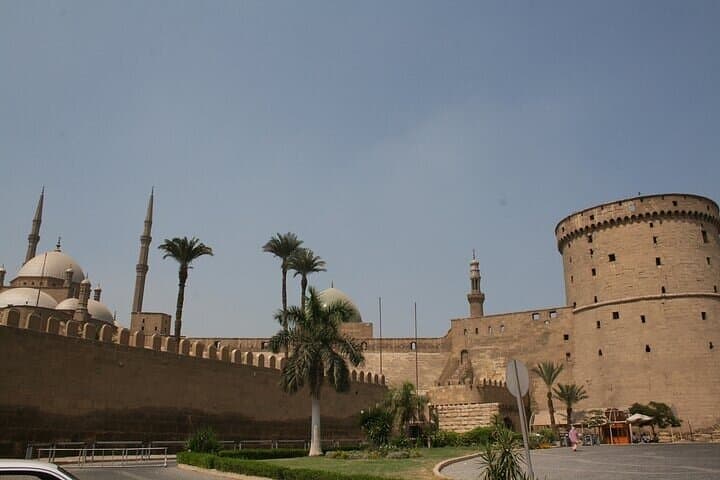
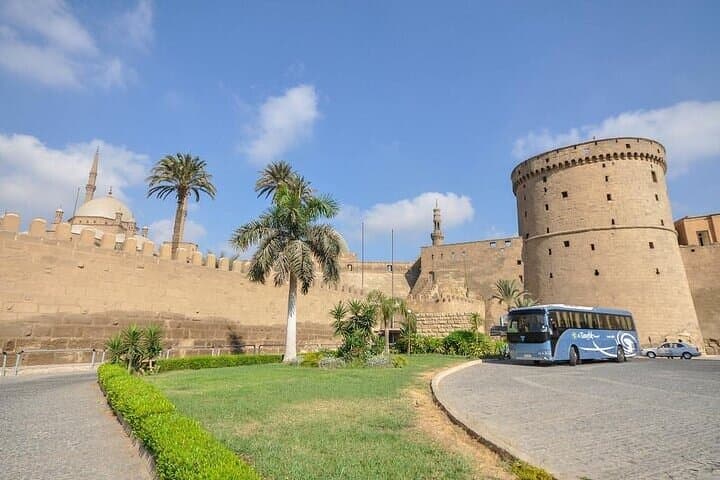
The itinerary stitches together Pharaonic grandeur, Ottoman-era military architecture and Coptic-Christian Cairo. The museum holds artifacts from the Predynastic through the Greco-Roman periods—stelae, sarcophagi and the statuary that once framed the Giza plateau. The Citadel of Muhammad Ali sits on Mamluk and Ottoman foundations, its mosques and clock tower telling a story of 19th-century modernization and earlier medieval defenses. Old Cairo preserves Late Antique and medieval urban fabric: the Hanging Church and small chapels that mark Egypt's Christian heritage.
Expect uneven pavements, crowded rooms and rooftop views that open onto the Nile corridor. Practicalities matter: the day runs 6–8 hours with substantial walking, admission fees usually separate from tour costs, and mosque visits require modest dress. Carry water, plan for midday heat, and conserve time for small museums and street-side coffee.
Guides here are not just narrators but navigators—moving you through queues and translating layers of context. For trip planning: book an early slot to avoid peak crowds, confirm pickup/drop-off points, and leave room in the schedule for a relaxed lunch or a spontaneous detour into Coptic lanes.