THE ADVENTURE COLLECTIVE® · Independent discovery and booking for outdoor travel

Covering Egypt’s defining eras in a single day, this private Cairo tour links the Egyptian Museum, Salah al‑Din Citadel, Coptic Cairo and Khan el‑Khalili. Expect museum treasures, medieval fortifications, quiet churches and a bustling souk — all with practical guidance for a long urban day.
Covering Egypt’s defining eras in a single day, this private Cairo tour links the Egyptian Museum, Salah al‑Din Citadel, Coptic Cairo and Khan el‑Khalili. Expect museum treasures, medieval fortifications, quiet churches and a bustling souk — all with practical guidance for a long urban day.
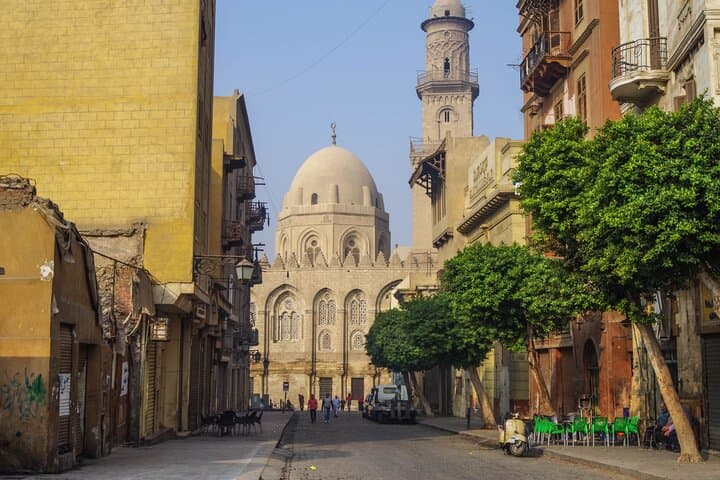
Morning light hits Tahrir Square and the city exhales — call to prayer drifting across streets, traffic stuttering like a living map. On this full-day circuit, travelers move from the cool, artifact-packed rooms of the Egyptian Museum to the crenellated ramparts of Salah al‑Din’s Citadel, then through the quiet stone alleys of Coptic Cairo and the crowded, fragrant lanes of Khan el‑Khalili bazaar.
Verified experiences and guided adventures in the surrounding area.
Operated by Egypt Via Travel · Cairo, Cairo
Morning light hits Tahrir Square and the city exhales — call to prayer drifting across streets, traffic stuttering like a living map. On this full-day circuit, travelers move from the cool, artifact-packed rooms of the Egyptian Museum to the crenellated ramparts of Salah al‑Din’s Citadel, then through the quiet stone alleys of Coptic Cairo and the crowded, fragrant lanes of Khan el‑Khalili bazaar.
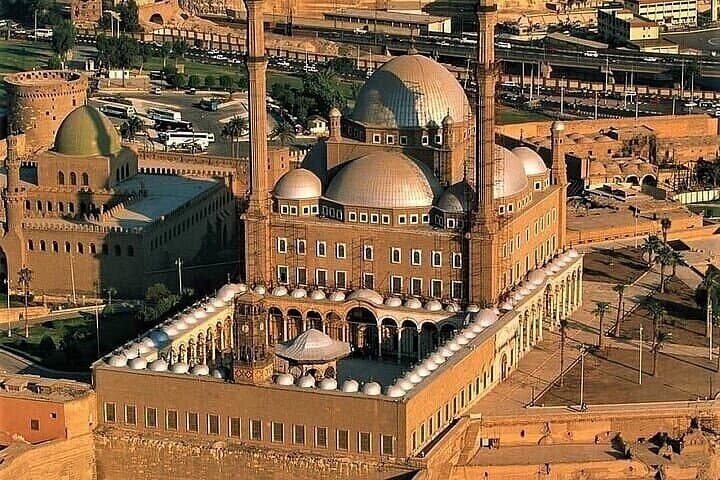
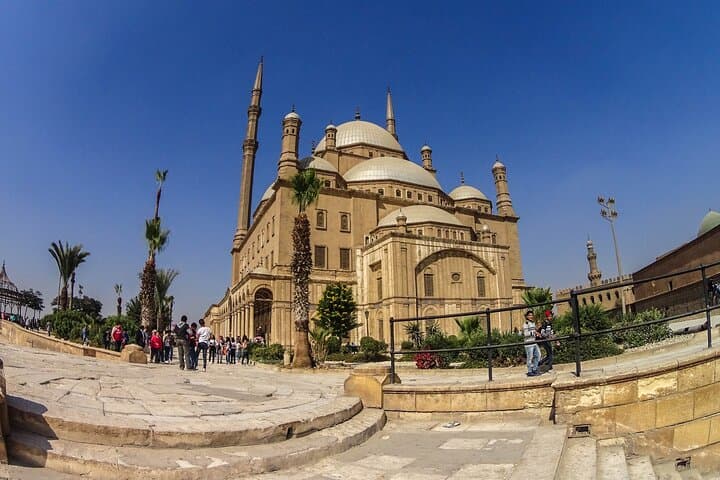
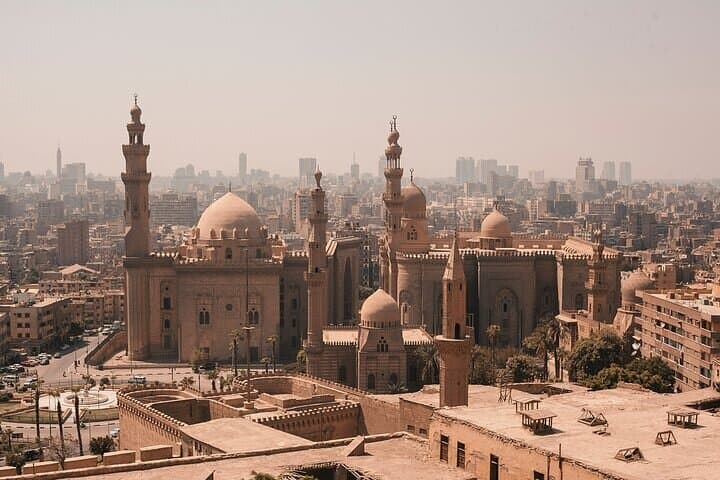
The Egyptian Museum anchors the day: galleries of statuary, coffins and the gold splendors of Tutankhamen chart millennia of Nile civilization. The Citadel, begun in 1183 AD, sits on a limestone ridge that once defined medieval Cairo’s defensive line and now offers sweeping city views. Coptic Quarter churches preserve early Christian liturgies and architecture introduced under Byzantine and later Fatimid influence. Khan el‑Khalili, established in the 14th century, still functions as a living bazaar — an artery of trade, teahouses and artisans producing papyrus and oils.
Practicalities matter: expect 6–9 hours of walking and standing; narrow streets and steps are common. Dress modestly for mosque and church visits (shoulders and knees covered); bring cash in small denominations for market purchases; tip locally for guides and drivers. Plan the route to avoid midday heat — mornings and late afternoons are best for photography and comfort. Hydration, sun protection and a reliable map will keep the day moving. For those who want cultural density in a single outing, this tour compacts Cairo’s major eras into a walkable, deeply human day of history, stone and commerce.
easy.
6–9 hours.
Suitable for light to moderate fitness; participants should be able to walk several kilometers and stand for guided explanations.
Most standard packages do not include monument entrance fees; confirm with the operator whether tickets for the Egyptian Museum or Citadel are covered or should be purchased on-site.
The tour lists wheelchair accessibility and transportation options, but some historic buildings have steps and uneven surfaces — contact the operator in advance to arrange routes and assistance.
A full refund is available if you cancel at least 24 hours before departure; cancellations within 24 hours are non‑refundable per the standard policy.
Tipping is customary: plan roughly 10–15% of the tour cost split between guide and driver, or a fixed local-appropriate amount based on service quality.
Cairo’s layers reflect Pharaonic, Roman, Coptic and Islamic eras; the Citadel was founded by Salah al‑Din in the 12th century and the Egyptian Museum preserves artifacts spanning thousands of years.
High visitor numbers stress historic sites — avoid touching ancient surfaces, use designated pathways and support local conservation-minded artisans when buying souvenirs.
Egypt Via Travel operates guided outdoor trips and adventures with an emphasis on safety, stewardship, and memorable experiences.
Morning light hits Tahrir Square and the city exhales — call to prayer drifting across streets, traffic stuttering like a living map. On this full-day circuit, travelers move from the cool, artifact-packed rooms of the Egyptian Museum to the crenellated ramparts of Salah al‑Din’s Citadel, then through the quiet stone alleys of Coptic Cairo and the crowded, fragrant lanes of Khan el‑Khalili bazaar.
Morning light hits Tahrir Square and the city exhales — call to prayer drifting across streets, traffic stuttering like a living map. On this full-day circuit, travelers move from the cool, artifact-packed rooms of the Egyptian Museum to the crenellated ramparts of Salah al‑Din’s Citadel, then through the quiet stone alleys of Coptic Cairo and the crowded, fragrant lanes of Khan el‑Khalili bazaar.
The Egyptian Museum anchors the day: galleries of statuary, coffins and the gold splendors of Tutankhamen chart millennia of Nile civilization. The Citadel, begun in 1183 AD, sits on a limestone ridge that once defined medieval Cairo’s defensive line and now offers sweeping city views. Coptic Quarter churches preserve early Christian liturgies and architecture introduced under Byzantine and later Fatimid influence. Khan el‑Khalili, established in the 14th century, still functions as a living bazaar — an artery of trade, teahouses and artisans producing papyrus and oils.
Practicalities matter: expect 6–9 hours of walking and standing; narrow streets and steps are common. Dress modestly for mosque and church visits (shoulders and knees covered); bring cash in small denominations for market purchases; tip locally for guides and drivers. Plan the route to avoid midday heat — mornings and late afternoons are best for photography and comfort. Hydration, sun protection and a reliable map will keep the day moving. For those who want cultural density in a single outing, this tour compacts Cairo’s major eras into a walkable, deeply human day of history, stone and commerce.