THE ADVENTURE COLLECTIVE® · Independent discovery and booking for outdoor travel

Spend a day moving between Egypt’s concentrated ancient history and its living marketplace: a guided visit to the Egyptian Museum followed by lunch on the Nile and a stroll through Khan El‑Khalili. Practical tips on timing, entry, and what to expect inside the museum and bazaar.
Spend a day moving between Egypt’s concentrated ancient history and its living marketplace: a guided visit to the Egyptian Museum followed by lunch on the Nile and a stroll through Khan El‑Khalili. Practical tips on timing, entry, and what to expect inside the museum and bazaar.
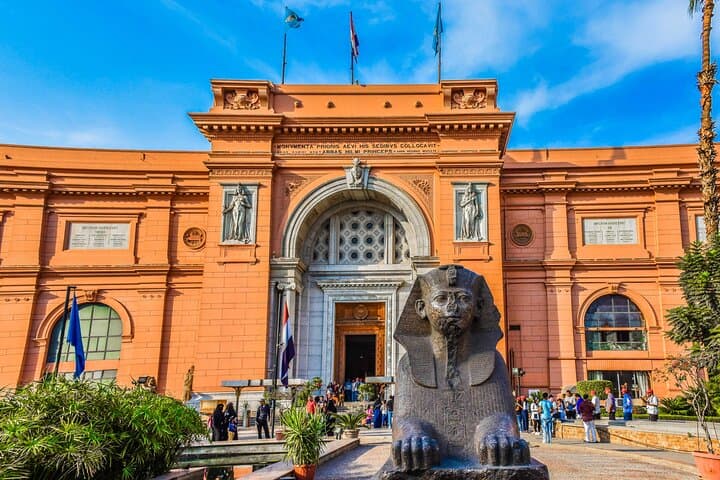
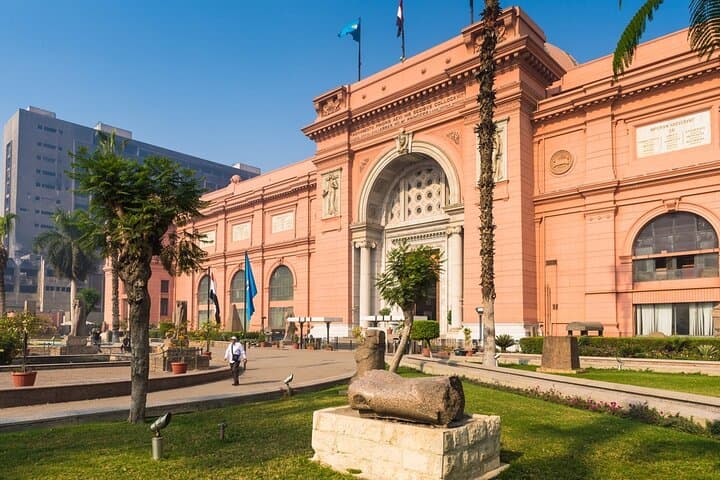
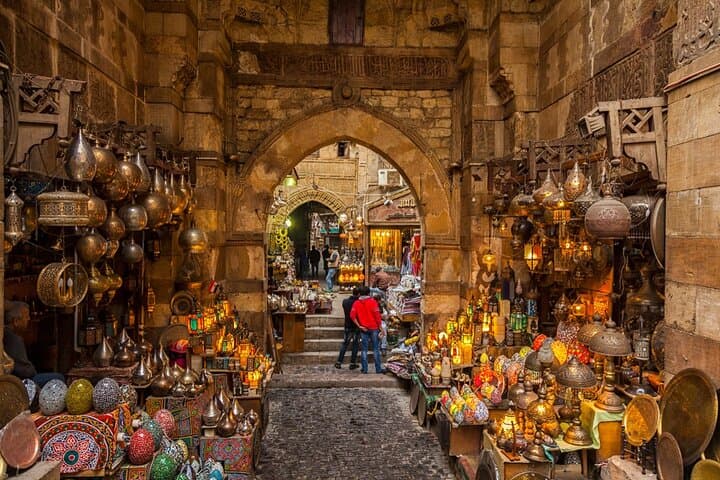
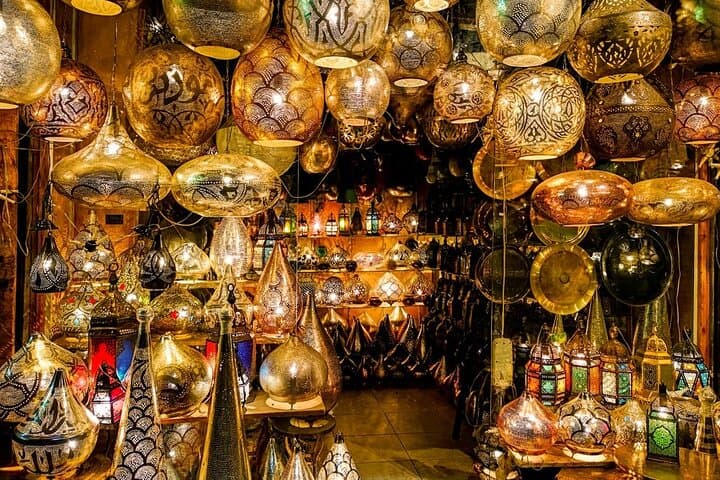
You step out of an air‑conditioned vehicle into the pulse of central Cairo: the wide plaza outside the Egyptian Museum hums with traffic and voices, the air carrying dust, diesel, and a faint spice from nearby stalls. Inside, corridors of stone and glass hold pharaonic faces that have watched the Nile’s slow churn for millennia; outside, the market alleys of Khan El‑Khalili compress time into a single crowded block of bronze, brass and bartered stories.
Verified experiences and guided adventures in the surrounding area.
Operated by NORTH AFRICAN SHIPPING AND TOURISM COMPANY (NASCO TOURS) · Cairo, Cairo Governorate
You step out of an air‑conditioned vehicle into the pulse of central Cairo: the wide plaza outside the Egyptian Museum hums with traffic and voices, the air carrying dust, diesel, and a faint spice from nearby stalls. Inside, corridors of stone and glass hold pharaonic faces that have watched the Nile’s slow churn for millennia; outside, the market alleys of Khan El‑Khalili compress time into a single crowded block of bronze, brass and bartered stories.
The Egyptian Museum—opened in 1902—houses an unparalleled concentration of Old Kingdom and New Kingdom artifacts, including funerary masks and daily objects that illuminate ancient urban life along the Nile floodplain. Khan El‑Khalili, founded in the 14th century during the Mamluk period, grew up where caravan routes met the city, and its lanes still reflect that commerce-driven urban fabric.
Expect roughly 6–7 hours: a focused 1–2 hour museum visit guided by a specialist, lunch at Le Pacha on the Nile, then a 90‑minute wander through the bazaar. Terrain is flat but uneven in market alleys; allow time for crowds and haggling. Bring a passport copy for museum entry, small bills for purchases, and a camera with spare battery. Dress respectfully—shoulders and knees covered—and wear comfortable shoes for tiled museum floors and cobbled streets.
Timing matters: mornings are cooler and less crowded at the museum; late afternoons enliven Khan El‑Khalili with locals and tea houses. Keep hydrated and keep small valuables close; observe signs in exhibit halls and avoid touching artifacts. This day pairs tangible history with the living, noisy commerce that keeps Cairo moving.
easy.
6–7 hours.
Light walking ability needed; suitable for most fitness levels but expect extended standing and walking on paved and uneven surfaces.
This tour includes admission to the Egyptian Museum and a set lunch at Le Pacha as stated in the itinerary.
Hotel pickup is provided; confirm your pickup point when booking and have your confirmation ready.
Khan El‑Khalili has narrow, uneven alleys and crowded areas—access is limited compared with the museum; inquire about specific mobility needs in advance.
Plan about 1.5–2 hours for the museum and 1–1.5 hours for the bazaar; the full tour runs approximately 6–7 hours including lunch and transfers.
The Egyptian Museum opened in 1902 and centralized artifacts from the pharaonic eras; Khan El‑Khalili dates to the 14th century as a major Mamluk trading quarter.
Shopkeepers and heritage sites face pressures from tourism; minimize plastic waste, respect exhibit rules, and avoid touching antiquities to help preserve them.
NORTH AFRICAN SHIPPING AND TOURISM COMPANY (NASCO TOURS) operates guided outdoor trips and adventures with an emphasis on safety, stewardship, and memorable experiences.
You step out of an air‑conditioned vehicle into the pulse of central Cairo: the wide plaza outside the Egyptian Museum hums with traffic and voices, the air carrying dust, diesel, and a faint spice from nearby stalls. Inside, corridors of stone and glass hold pharaonic faces that have watched the Nile’s slow churn for millennia; outside, the market alleys of Khan El‑Khalili compress time into a single crowded block of bronze, brass and bartered stories.
You step out of an air‑conditioned vehicle into the pulse of central Cairo: the wide plaza outside the Egyptian Museum hums with traffic and voices, the air carrying dust, diesel, and a faint spice from nearby stalls. Inside, corridors of stone and glass hold pharaonic faces that have watched the Nile’s slow churn for millennia; outside, the market alleys of Khan El‑Khalili compress time into a single crowded block of bronze, brass and bartered stories.
The Egyptian Museum—opened in 1902—houses an unparalleled concentration of Old Kingdom and New Kingdom artifacts, including funerary masks and daily objects that illuminate ancient urban life along the Nile floodplain. Khan El‑Khalili, founded in the 14th century during the Mamluk period, grew up where caravan routes met the city, and its lanes still reflect that commerce-driven urban fabric.
Expect roughly 6–7 hours: a focused 1–2 hour museum visit guided by a specialist, lunch at Le Pacha on the Nile, then a 90‑minute wander through the bazaar. Terrain is flat but uneven in market alleys; allow time for crowds and haggling. Bring a passport copy for museum entry, small bills for purchases, and a camera with spare battery. Dress respectfully—shoulders and knees covered—and wear comfortable shoes for tiled museum floors and cobbled streets.
Timing matters: mornings are cooler and less crowded at the museum; late afternoons enliven Khan El‑Khalili with locals and tea houses. Keep hydrated and keep small valuables close; observe signs in exhibit halls and avoid touching artifacts. This day pairs tangible history with the living, noisy commerce that keeps Cairo moving.