THE ADVENTURE COLLECTIVE® · Independent discovery and booking for outdoor travel

Spend 3–4 hours tracing Cairo’s artisan traditions: watch carpet weavers, try perfume blending, and see papyrus made by hand in the winding lanes of Khan El Khalili. This private tour pairs demonstrations with practical shopping tips for authentic purchases.
Spend 3–4 hours tracing Cairo’s artisan traditions: watch carpet weavers, try perfume blending, and see papyrus made by hand in the winding lanes of Khan El Khalili. This private tour pairs demonstrations with practical shopping tips for authentic purchases.
You step from a shaded Cairo street into a corridor of color and scent — the narrow lanes of Khan El Khalili buzzing with vendors, the air threaded with saffron and citrus, while a carpet loom clicks like a metronome in a nearby workshop.
Verified experiences and guided adventures in the surrounding area.
Operated by Egypt Discovery Tours · Cairo, Cairo
You step from a shaded Cairo street into a corridor of color and scent — the narrow lanes of Khan El Khalili buzzing with vendors, the air threaded with saffron and citrus, while a carpet loom clicks like a metronome in a nearby workshop.
This guided, private walking-and-shopping tour stitches together centuries of craft: papyrus-making methods that date to Pharaonic times, Mamluk-era market customs in Khan El Khalili, and the living tradition of Middle Eastern carpet weaving brought to the present by family-run schools. The Nile’s long trade routes shaped these crafts; raw dyes and fragrant oils arrived by river and caravan long before modern supply chains.
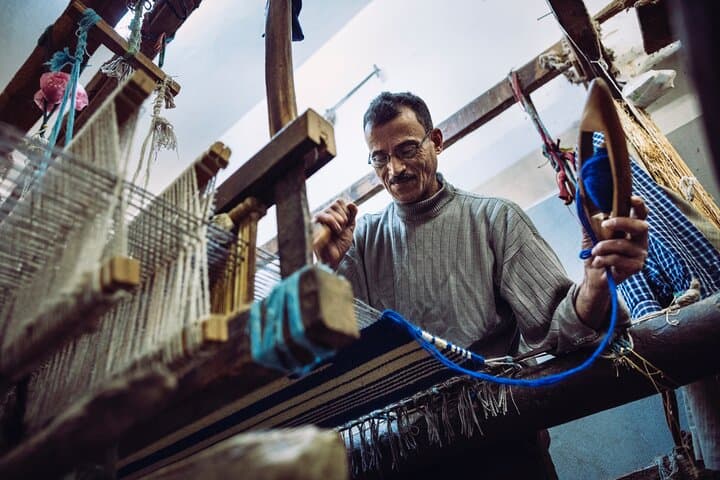
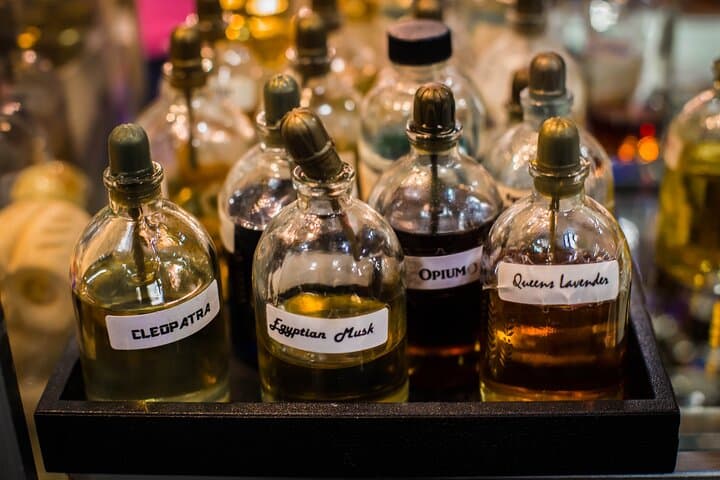
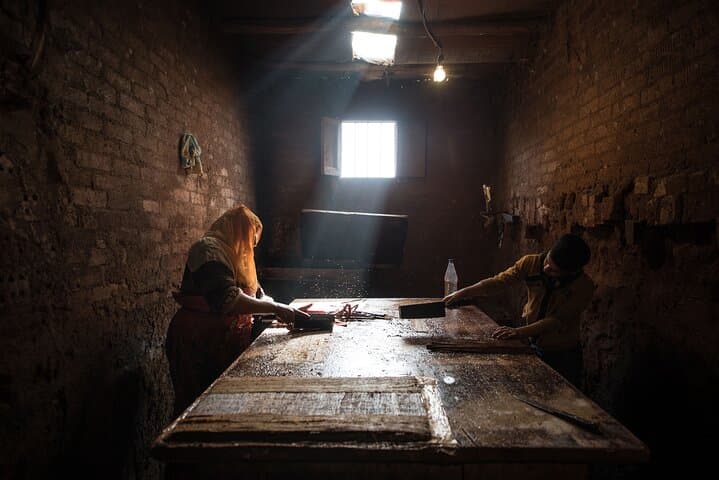
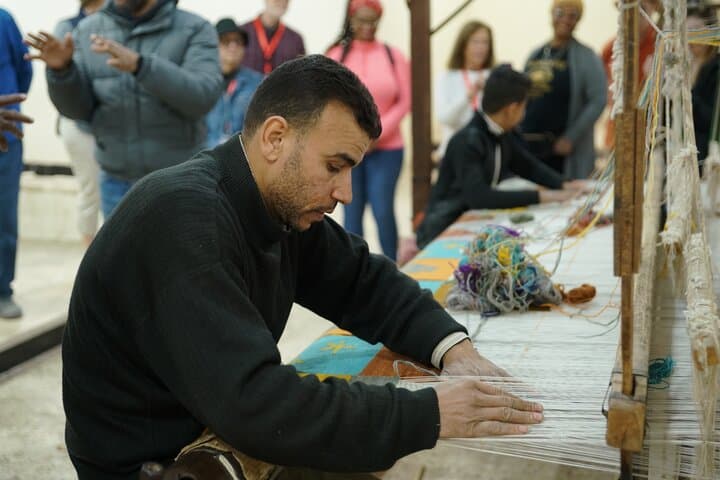
You’ll watch artisans string warp and weft into geometric patterns, smell distilled jasmine and oud as sellers explain extraction techniques, and see papyrus sheets pressed and dried into artworks stamped with hieroglyphs. Local culture shows in tea offers between negotiations and in the quick etiquette of bargaining — respectful, deliberate, and expected.
Practical notes: the full experience runs about 3–4 hours and includes private AC pickup and drop-off. Bring small bills for purchases and bargaining; many stalls do not accept cards. Wear comfortable shoes for cobbled alleys and plan for shade or sun protection depending on season. Mornings are cooler and less crowded; late afternoons glow but tighten the crowds.
This isn’t a museum visit — it’s a short, sensory course in living craft. Come ready to learn, sample, and, if you choose, take home a piece of Egypt made by the hands you just watched work.
easy.
3–4 hours.
Suitable for all fitness levels; involves several short walks and standing during demonstrations.
Yes — the tour includes pickup and drop-off in a private, air-conditioned vehicle as listed in the inclusions.
Yes — the oils and perfume stop typically offers scent sampling and an opportunity to blend a custom fragrance to take home.
Carpet schools sell handmade items made on-site; ask about materials and weaving techniques, and request receipts or certification for higher-value pieces.
Mornings are cooler and less crowded, making demonstrations easier to view; late afternoons have lively atmosphere but more foot traffic.
Khan El Khalili traces to the 14th century Mamluk period as a commercial hub; papyrus craft reaches back to ancient Pharaonic Egypt and remains a cultural link to that past.
Support certified artisans and avoid mass-produced, imported trinkets; buying directly from workshops helps local craftspeople and reduces demand for unsustainable materials.
Egypt Discovery Tours operates guided outdoor trips and adventures with an emphasis on safety, stewardship, and memorable experiences.
You step from a shaded Cairo street into a corridor of color and scent — the narrow lanes of Khan El Khalili buzzing with vendors, the air threaded with saffron and citrus, while a carpet loom clicks like a metronome in a nearby workshop.
You step from a shaded Cairo street into a corridor of color and scent — the narrow lanes of Khan El Khalili buzzing with vendors, the air threaded with saffron and citrus, while a carpet loom clicks like a metronome in a nearby workshop.
This guided, private walking-and-shopping tour stitches together centuries of craft: papyrus-making methods that date to Pharaonic times, Mamluk-era market customs in Khan El Khalili, and the living tradition of Middle Eastern carpet weaving brought to the present by family-run schools. The Nile’s long trade routes shaped these crafts; raw dyes and fragrant oils arrived by river and caravan long before modern supply chains.
You’ll watch artisans string warp and weft into geometric patterns, smell distilled jasmine and oud as sellers explain extraction techniques, and see papyrus sheets pressed and dried into artworks stamped with hieroglyphs. Local culture shows in tea offers between negotiations and in the quick etiquette of bargaining — respectful, deliberate, and expected.
Practical notes: the full experience runs about 3–4 hours and includes private AC pickup and drop-off. Bring small bills for purchases and bargaining; many stalls do not accept cards. Wear comfortable shoes for cobbled alleys and plan for shade or sun protection depending on season. Mornings are cooler and less crowded; late afternoons glow but tighten the crowds.
This isn’t a museum visit — it’s a short, sensory course in living craft. Come ready to learn, sample, and, if you choose, take home a piece of Egypt made by the hands you just watched work.