THE ADVENTURE COLLECTIVE® · Independent discovery and booking for outdoor travel

Visit the Cave Church of St. Simon and the Zabbaleen’s Garbage City on a compact private tour that mixes Coptic history with hands‑on local life. This two‑hour experience pairs air‑conditioned transport with a guide who explains the church’s geology, miracle lore, and the community’s recycling heritage.
Visit the Cave Church of St. Simon and the Zabbaleen’s Garbage City on a compact private tour that mixes Coptic history with hands‑on local life. This two‑hour experience pairs air‑conditioned transport with a guide who explains the church’s geology, miracle lore, and the community’s recycling heritage.
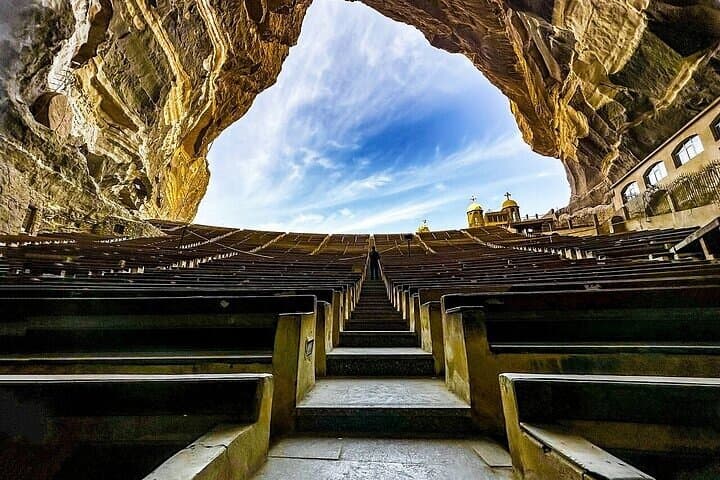
You step off the air‑conditioned minivan onto the sunbaked flank of the Mokattam, where a low ridge of limestone rises like an urban spine above Cairo’s eastern quarter. Dust and the soft clink of metal give way to a narrow alley that leads into a cavernous interior: the Cave Church carved by the city’s Zabbaleen community.
Verified experiences and guided adventures in the surrounding area.
Operated by Sofy · Cairo, Cairo Governorate
You step off the air‑conditioned minivan onto the sunbaked flank of the Mokattam, where a low ridge of limestone rises like an urban spine above Cairo’s eastern quarter. Dust and the soft clink of metal give way to a narrow alley that leads into a cavernous interior: the Cave Church carved by the city’s Zabbaleen community.
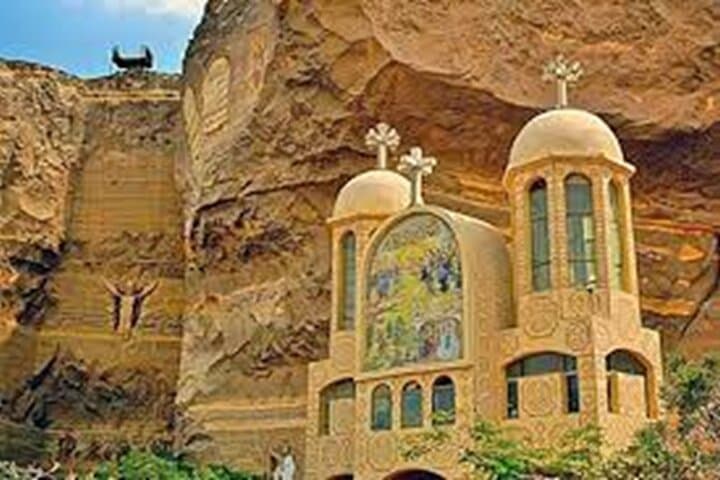
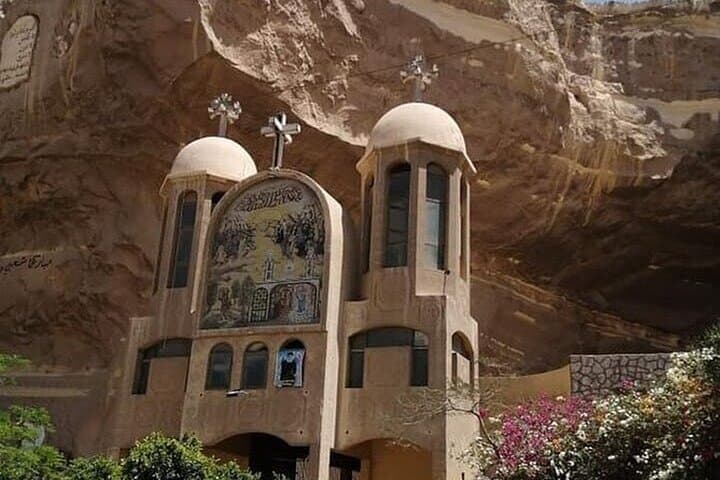
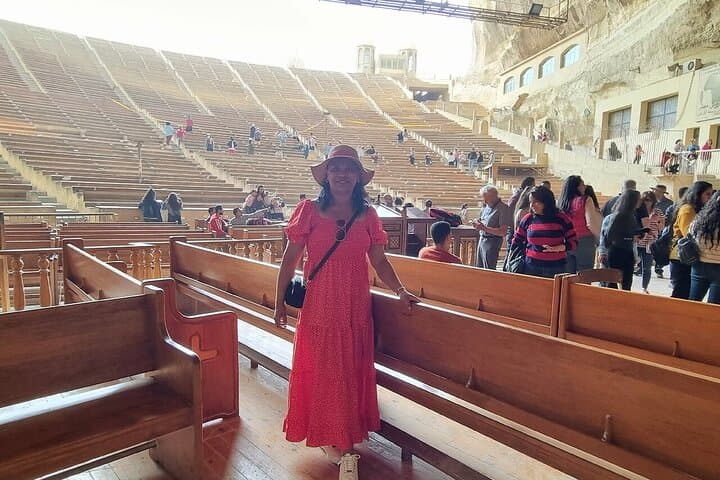
The cave itself is recent in archaeological terms — large chambers gouged from Mokattam limestone in the 1970s by Coptic waste‑collectors who dug a place of worship and carved altars into the rock. Locals credit St. Simon the Tanner with a miracle tied to this site, and the area holds deep Coptic significance alongside the everyday life of Garbage City, where recycling and family workshops shape culture and economy.
Geologically, Mokattam is sedimentary limestone easy enough to sculpt, and the church’s warm, honey‑colored walls still show tool marks. The route between monastery and neighborhood offers honest urban scenes: sorting yards, low houses, and rooftop outlooks that put central Cairo’s sprawl into perspective.
Practically, this is a short, accessible private tour—expect light walking on paved and uneven surfaces inside the cave. Modest dress is respectful; bring water, sun protection for the walk up, and a camera (ask before photographing people). The guide and transport smooth logistics, and visits are best scheduled in morning or late afternoon to avoid mid‑day heat. Respect local customs, support small vendors sensitively, and allow the neighborhood to reveal both its faith and its resourcefulness.
easy.
2 hours.
Light walking on mostly flat streets and inside carved chambers; suitable for most fitness levels.
The provider notes wheelchair‑accessible transport and areas, but some streets and cave sections can be uneven—check specifics on accessibility when booking.
Yes, the private tour includes admission to the Cave Church and transportation from your hotel.
Photography of the architecture is generally allowed; always ask the guide before photographing residents or private workshops.
Tipping is customary; consider a modest tip to thank the guide and driver for personalized service.
The Cave Church was hand‑carved by the Zabbaleen community in the 1970s; its association with St. Simon the Tanner and reported miracles made it a focal point for Coptic pilgrims.
Tourism supports local incomes but can stress narrow streets—travelers should minimize waste, respect private spaces, and consider buying from local vendors to support recycling livelihoods.
Sofy operates guided outdoor trips and adventures with an emphasis on safety, stewardship, and memorable experiences.
You step off the air‑conditioned minivan onto the sunbaked flank of the Mokattam, where a low ridge of limestone rises like an urban spine above Cairo’s eastern quarter. Dust and the soft clink of metal give way to a narrow alley that leads into a cavernous interior: the Cave Church carved by the city’s Zabbaleen community.
You step off the air‑conditioned minivan onto the sunbaked flank of the Mokattam, where a low ridge of limestone rises like an urban spine above Cairo’s eastern quarter. Dust and the soft clink of metal give way to a narrow alley that leads into a cavernous interior: the Cave Church carved by the city’s Zabbaleen community.
The cave itself is recent in archaeological terms — large chambers gouged from Mokattam limestone in the 1970s by Coptic waste‑collectors who dug a place of worship and carved altars into the rock. Locals credit St. Simon the Tanner with a miracle tied to this site, and the area holds deep Coptic significance alongside the everyday life of Garbage City, where recycling and family workshops shape culture and economy.
Geologically, Mokattam is sedimentary limestone easy enough to sculpt, and the church’s warm, honey‑colored walls still show tool marks. The route between monastery and neighborhood offers honest urban scenes: sorting yards, low houses, and rooftop outlooks that put central Cairo’s sprawl into perspective.
Practically, this is a short, accessible private tour—expect light walking on paved and uneven surfaces inside the cave. Modest dress is respectful; bring water, sun protection for the walk up, and a camera (ask before photographing people). The guide and transport smooth logistics, and visits are best scheduled in morning or late afternoon to avoid mid‑day heat. Respect local customs, support small vendors sensitively, and allow the neighborhood to reveal both its faith and its resourcefulness.