THE ADVENTURE COLLECTIVE® · Independent discovery and booking for outdoor travel

A concentrated day through Cairo’s major historical layers: the Egyptian Museum’s pharaonic treasures, the Citadel and Alabaster Mosque, then the compact churches and alleys of Coptic Cairo—finished with a local lunch. Plan for 5–7 hours of walking, cultural context, and straightforward logistics.
A concentrated day through Cairo’s major historical layers: the Egyptian Museum’s pharaonic treasures, the Citadel and Alabaster Mosque, then the compact churches and alleys of Coptic Cairo—finished with a local lunch. Plan for 5–7 hours of walking, cultural context, and straightforward logistics.
You step out of a climate-controlled car into the pulse of Cairo: traffic hums, vendors call, and the stone facades of Tahrir rise beneath a hard, luminous sky. The Egyptian Museum’s cool halls pull you into five millennia of carved stone and gold—Tutankhamun’s mask sits like a sealed promise—before the Citadel’s ramparts reorient you to the city’s Ottoman age, where the Alabaster Mosque gleams above narrow streets.
Verified experiences and guided adventures in the surrounding area.
Operated by Safe luxury tours · Cairo, Cairo Governorate
You step out of a climate-controlled car into the pulse of Cairo: traffic hums, vendors call, and the stone facades of Tahrir rise beneath a hard, luminous sky. The Egyptian Museum’s cool halls pull you into five millennia of carved stone and gold—Tutankhamun’s mask sits like a sealed promise—before the Citadel’s ramparts reorient you to the city’s Ottoman age, where the Alabaster Mosque gleams above narrow streets.
This single-day route threads eras: Pharaonic riches in glass cases, 19th-century Muhammad Ali architecture, then the compact lanes of Coptic Cairo—where the Hanging Church and ancient synagogues mark the religious diversity of historic Fustat. Geologically, Cairo rides a Nile floodplain; the city’s built layers sit atop silt and centuries of human settlement, with the river still determining rhythms and views.
Local life is immediate—koshari stalls serve a quick, spicy lunch; prayer calls punctuate the day. Expect straightforward walking on paved streets, some stairs in museums and the Citadel, and short transfers between sites. Bring a guide’s explanation into sharp relief: they’ll speed entry, interpret artifacts, and point out conservation concerns like humidity-sensitive exhibits.
Practical notes: start early to avoid midday heat, wear breathable clothing that meets local norms, carry water and comfortable shoes, and allow 5–7 hours to move between sites without rushing. Keep camera etiquette and modest dress in mind at religious sites—these simple preparations make a dense historic day feel manageable and rewarding.
easy.
5–7 hours.
Suitable for most fitness levels; requires several hours of walking and stairs but no technical exertion
The itinerary runs approximately 5–7 hours, including museum time, the Citadel visit, Coptic Cairo, and a lunch break.
Yes—entrance tickets to listed sites and a local lunch (koshari) are included with the tour as described.
The tour is rated easy and suitable for most ages, but there are stairs and some uneven surfaces—notify the operator of mobility needs for pickup adjustments.
Language availability varies; confirm at booking. The tour is private, so guides can often accommodate major languages if requested in advance.
Cairo’s core layers reflect millennia: Pharaonic collections were centralized at the Egyptian Museum, the Citadel dominates 19th-century Ottoman-Mamluk power, and Coptic Cairo preserves Christian communities dating back to late antiquity.
Museums face humidity and light sensitivity for ancient artifacts; follow site rules, use a guide to reduce crowding, and support local conservation fees when offered.
Safe luxury tours operates guided outdoor trips and adventures with an emphasis on safety, stewardship, and memorable experiences.
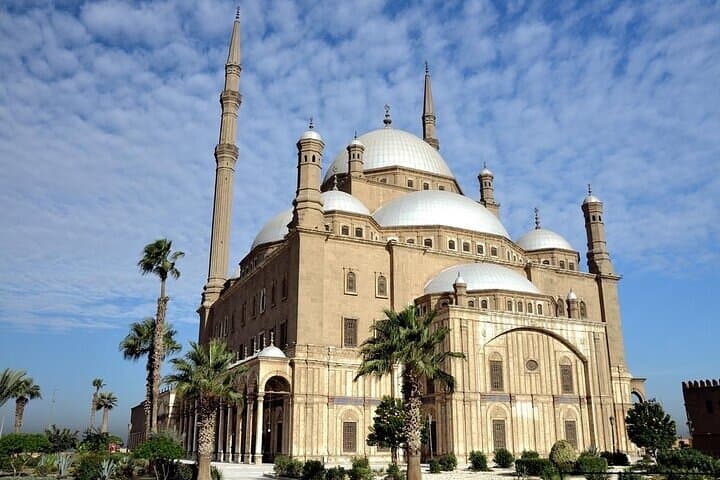
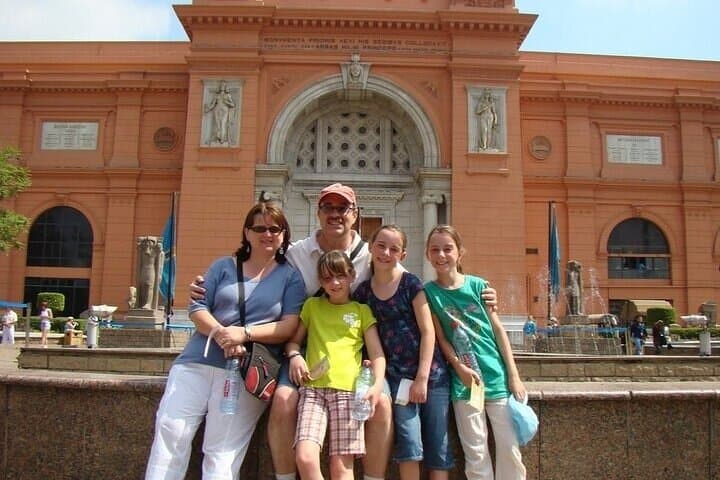

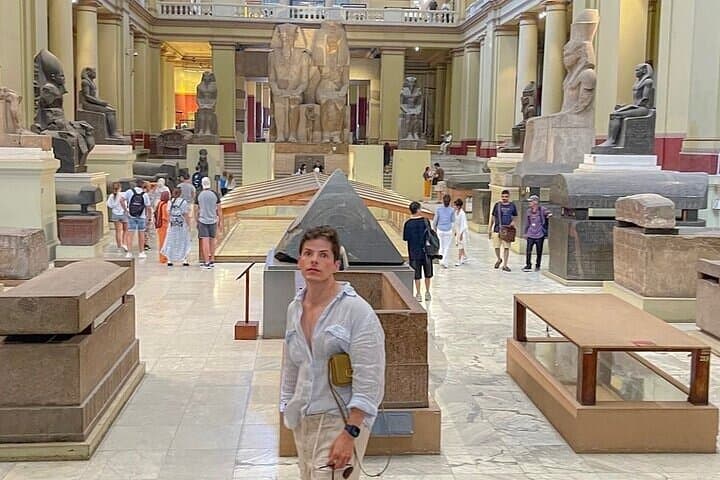
You step out of a climate-controlled car into the pulse of Cairo: traffic hums, vendors call, and the stone facades of Tahrir rise beneath a hard, luminous sky. The Egyptian Museum’s cool halls pull you into five millennia of carved stone and gold—Tutankhamun’s mask sits like a sealed promise—before the Citadel’s ramparts reorient you to the city’s Ottoman age, where the Alabaster Mosque gleams above narrow streets.
You step out of a climate-controlled car into the pulse of Cairo: traffic hums, vendors call, and the stone facades of Tahrir rise beneath a hard, luminous sky. The Egyptian Museum’s cool halls pull you into five millennia of carved stone and gold—Tutankhamun’s mask sits like a sealed promise—before the Citadel’s ramparts reorient you to the city’s Ottoman age, where the Alabaster Mosque gleams above narrow streets.
This single-day route threads eras: Pharaonic riches in glass cases, 19th-century Muhammad Ali architecture, then the compact lanes of Coptic Cairo—where the Hanging Church and ancient synagogues mark the religious diversity of historic Fustat. Geologically, Cairo rides a Nile floodplain; the city’s built layers sit atop silt and centuries of human settlement, with the river still determining rhythms and views.
Local life is immediate—koshari stalls serve a quick, spicy lunch; prayer calls punctuate the day. Expect straightforward walking on paved streets, some stairs in museums and the Citadel, and short transfers between sites. Bring a guide’s explanation into sharp relief: they’ll speed entry, interpret artifacts, and point out conservation concerns like humidity-sensitive exhibits.
Practical notes: start early to avoid midday heat, wear breathable clothing that meets local norms, carry water and comfortable shoes, and allow 5–7 hours to move between sites without rushing. Keep camera etiquette and modest dress in mind at religious sites—these simple preparations make a dense historic day feel manageable and rewarding.