THE ADVENTURE COLLECTIVE® · Independent discovery and booking for outdoor travel

Two intense days that stitch Giza’s pyramids and the Sphinx with Luxor’s temples and royal tombs. Ideal for travelers arriving by cruise who want expert guides, included flights, and efficient transfers between Egypt’s greatest pharaonic sites.
Two intense days that stitch Giza’s pyramids and the Sphinx with Luxor’s temples and royal tombs. Ideal for travelers arriving by cruise who want expert guides, included flights, and efficient transfers between Egypt’s greatest pharaonic sites.
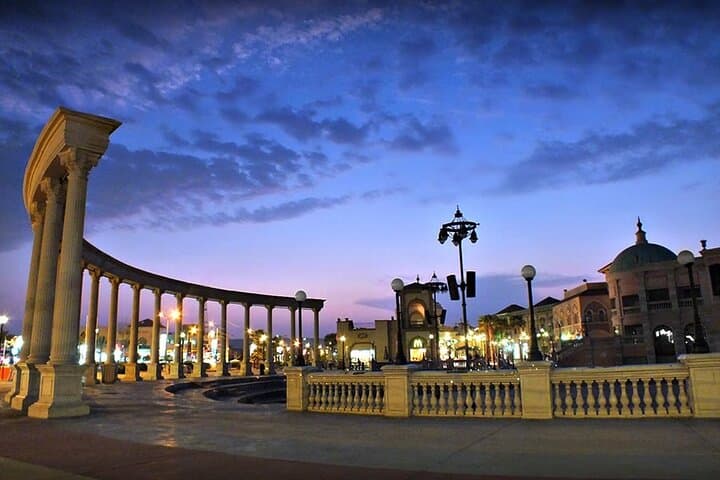
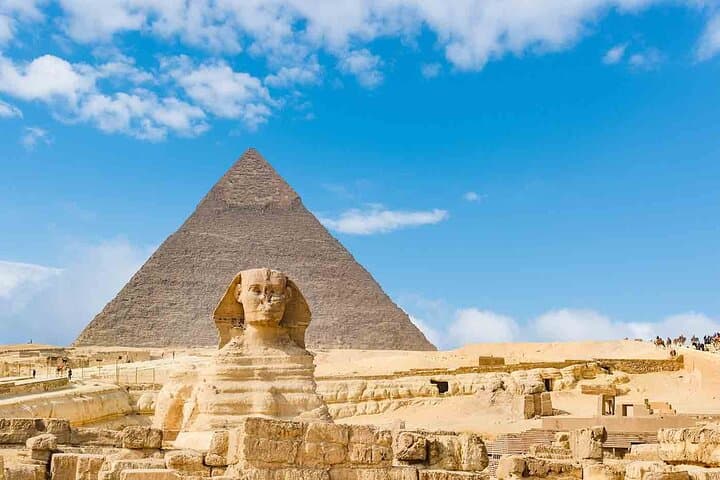
You step off the cruise at Alexandria Port and into a heat that feels like a living thing—dry air that pushes at your shoulders as the private vehicle hums toward Cairo. On day one the Giza plateau opens like a stone theater: the Pyramids towering, the Sphinx watching the horizon. By day two you’re airborne to Luxor where the Nile dares you to follow it, and the West Bank’s tombs and temples hold color and shadow in narrow rock chambers.
Verified experiences and guided adventures in the surrounding area.
Operated by Your Egypt Tours · Alexandria, Alexandria Governorate
You step off the cruise at Alexandria Port and into a heat that feels like a living thing—dry air that pushes at your shoulders as the private vehicle hums toward Cairo. On day one the Giza plateau opens like a stone theater: the Pyramids towering, the Sphinx watching the horizon. By day two you’re airborne to Luxor where the Nile dares you to follow it, and the West Bank’s tombs and temples hold color and shadow in narrow rock chambers.
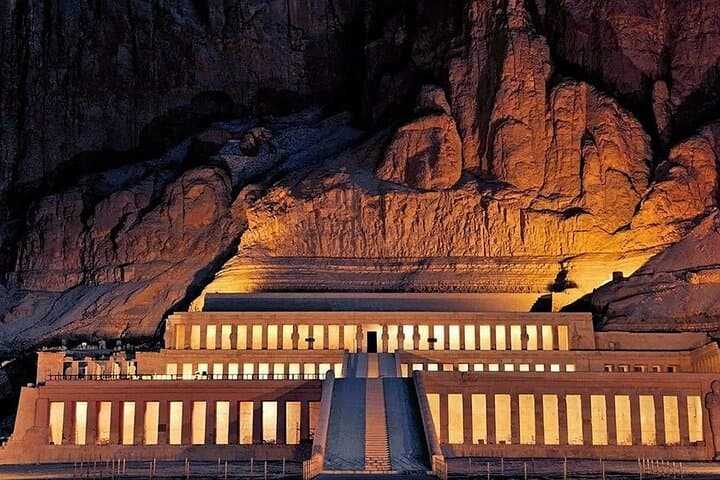
Egypt’s story is written in limestone and sandstone, layered by riverine silt and centuries of human hands. The Giza monuments date to the Fourth Dynasty while Luxor’s Karnak and the Valley of the Kings span millennia of pharaonic devotion and architectural ambition. Local guides translate hieroglyphic rows into civic life—the Nile’s annual floods, the quarrying that shipped obelisks hundreds of miles, and Hatshepsut’s rare royal program that left a funerary terrace hewn into the cliff.
Expect lots of walking on uneven stone, staircases in cramped tombs, and open sun on temple courtyards. Practicalities: carry a refillable water bottle, wear breathable layers and sturdy shoes, and plan for early starts to avoid peak heat and crowds. Permit fees and inner-pyramid access sometimes require extra tickets—ask your operator in advance. Flights between Luxor and Cairo are included, but transfers can vary with traffic; keep a flexible mindset.
This itinerary condenses Egypt’s major pharaonic highlights into two active days—best for travelers who want concentrated history, reliable logistics, and local interpretation without the slow pace of extended exploration.
moderate.
2 days.
Suitable for travelers with moderate fitness who can walk several hours across uneven terrain and climb short staircases.
Yes, the itinerary includes domestic flights between Luxor and Cairo; transfers to and from airports are provided as part of the tour.
Inner pyramid access and some tombs like Tutankhamun require separate admission fees and are subject to availability—book or confirm with the operator in advance.
Expect multiple hours of walking each day across temple complexes and uneven surfaces; pace is steady but not strenuous, suitable for moderate fitness levels.
Some sites have limited wheelchair access and many areas involve stairs; the tour is labeled wheelchair accessible in parts, but check specific site access with the operator before booking.
These sites span Egypt’s Old Kingdom through the New Kingdom—Giza’s pyramids are Fourth Dynasty royal tombs, while Luxor’s temples and the Valley of the Kings record New Kingdom religious and funerary practice.
Many tomb pigments are fragile; photography with flash is sometimes restricted and visitors should avoid touching reliefs. Sustainable visitation and respecting site rules helps preserve fragile monuments.
Your Egypt Tours operates guided outdoor trips and adventures with an emphasis on safety, stewardship, and memorable experiences.
You step off the cruise at Alexandria Port and into a heat that feels like a living thing—dry air that pushes at your shoulders as the private vehicle hums toward Cairo. On day one the Giza plateau opens like a stone theater: the Pyramids towering, the Sphinx watching the horizon. By day two you’re airborne to Luxor where the Nile dares you to follow it, and the West Bank’s tombs and temples hold color and shadow in narrow rock chambers.
You step off the cruise at Alexandria Port and into a heat that feels like a living thing—dry air that pushes at your shoulders as the private vehicle hums toward Cairo. On day one the Giza plateau opens like a stone theater: the Pyramids towering, the Sphinx watching the horizon. By day two you’re airborne to Luxor where the Nile dares you to follow it, and the West Bank’s tombs and temples hold color and shadow in narrow rock chambers.
Egypt’s story is written in limestone and sandstone, layered by riverine silt and centuries of human hands. The Giza monuments date to the Fourth Dynasty while Luxor’s Karnak and the Valley of the Kings span millennia of pharaonic devotion and architectural ambition. Local guides translate hieroglyphic rows into civic life—the Nile’s annual floods, the quarrying that shipped obelisks hundreds of miles, and Hatshepsut’s rare royal program that left a funerary terrace hewn into the cliff.
Expect lots of walking on uneven stone, staircases in cramped tombs, and open sun on temple courtyards. Practicalities: carry a refillable water bottle, wear breathable layers and sturdy shoes, and plan for early starts to avoid peak heat and crowds. Permit fees and inner-pyramid access sometimes require extra tickets—ask your operator in advance. Flights between Luxor and Cairo are included, but transfers can vary with traffic; keep a flexible mindset.
This itinerary condenses Egypt’s major pharaonic highlights into two active days—best for travelers who want concentrated history, reliable logistics, and local interpretation without the slow pace of extended exploration.