THE ADVENTURE COLLECTIVE® · Independent discovery and booking for outdoor travel

A compact four-night program linking Cairo’s pyramids and Luxor’s royal necropolis by flight. Ideal for travelers who want high-impact historical sites with guided transfers and hotel nights included.
A compact four-night program linking Cairo’s pyramids and Luxor’s royal necropolis by flight. Ideal for travelers who want high-impact historical sites with guided transfers and hotel nights included.
You step from the airport into Cairo’s warm, dust-sweet air and the city's long history seems to press close—minarets and traffic hum framing a skyline that leans toward the Nile.
Verified experiences and guided adventures in the surrounding area.
Operated by ToBadaa · Cairo, Cairo Governorate
You step from the airport into Cairo’s warm, dust-sweet air and the city's long history seems to press close—minarets and traffic hum framing a skyline that leans toward the Nile.
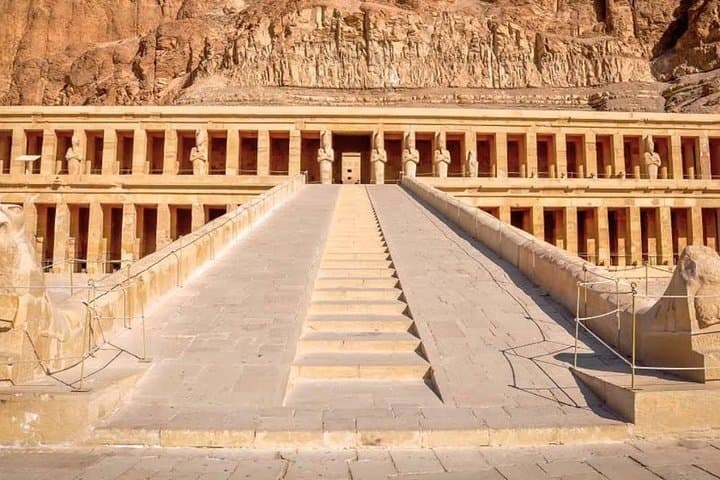
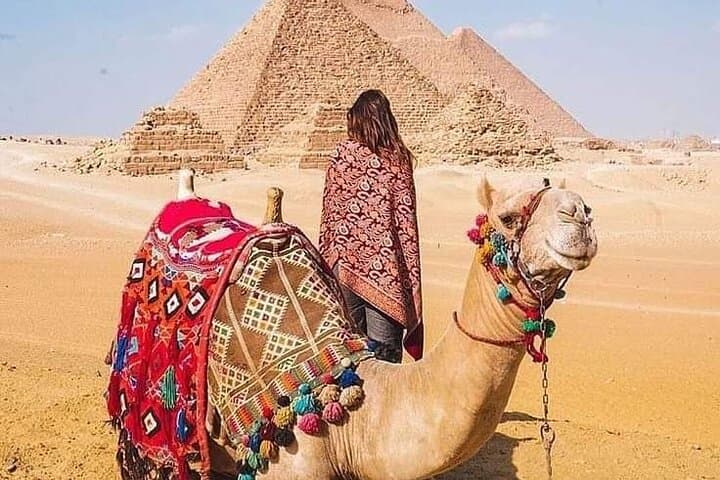
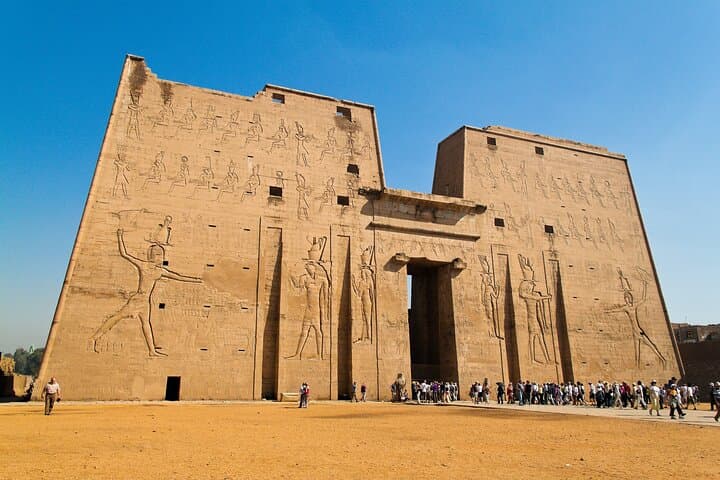
This four-night itinerary threads two eras: the Old Kingdom’s stone geometry at Giza and the New Kingdom’s painted tombs and temple colonnades in Luxor. The Pyramids and Sphinx stand as engineered challenges; Saqqara’s step pyramid speaks to early experimentation in monument-building, while Luxor — ancient Thebes — opens as an outdoor museum of mortuary architecture, the Valley of the Kings’ cliffs still holding royal corridors carved into limestone.
Culture here is tactile: marketplaces that trade spices and stories, mosque lamps knocking light across alleys, and the Nile daring you to follow its curve between cities. Geology is plain in the limestone cliffs that cradle Luxor’s necropolis and the alluvial floodplain that made Nile-side settlements possible.
Practically, the trip moves fast: guided Cairo days, a short domestic flight to Luxor, and hotel transfers included. Expect urban walking on uneven stone and sandy surfaces, brief hikes at archaeological sites, and heat that demands planning. Carry hydration, wear closed shoes for tomb approaches, and budget extra for entry tickets and optional sound-and-light shows. Book morning visits where possible to avoid intense midday sun and to see carved reliefs and painted walls in better light.
This package suits travelers who want concentrated cultural mileage with the logistics handled: history-forward days, practical transfers, and enough flexibility to linger at a temple terrace or chase the Nile’s birdlife at dusk.
easy.
4 days.
Suitable for travelers in normal urban-walking fitness; be prepared for multiple short walks each day and some stair/tomb descents.
Many itineraries include transfers and a guide but not standard site admission; confirm with the operator which monuments require separate tickets and budget accordingly.
Direct domestic flights take roughly 1 hour; add airport transfer and check-in times—operators typically handle these transfers for you.
Some hotels and transport options are accessible, but many archaeological sites have uneven terrain, stairs, and limited ramps—check specific site access with the operator if mobility is a concern.
Autumn (Oct–Nov) and spring (Mar–Apr) offer milder temperatures and comfortable sightseeing; summer can be extremely hot, especially in Upper Egypt around Luxor.
Giza’s pyramids date to the Old Kingdom (c. 2600 BCE) while Luxor occupies the core of ancient Thebes, the political and religious capital of Egypt’s New Kingdom.
High visitor numbers strain fragile painted tombs and sandstone reliefs; follow guide rules, avoid touching surfaces, and use bottled water sparingly to reduce waste.
ToBadaa operates guided outdoor trips and adventures with an emphasis on safety, stewardship, and memorable experiences.
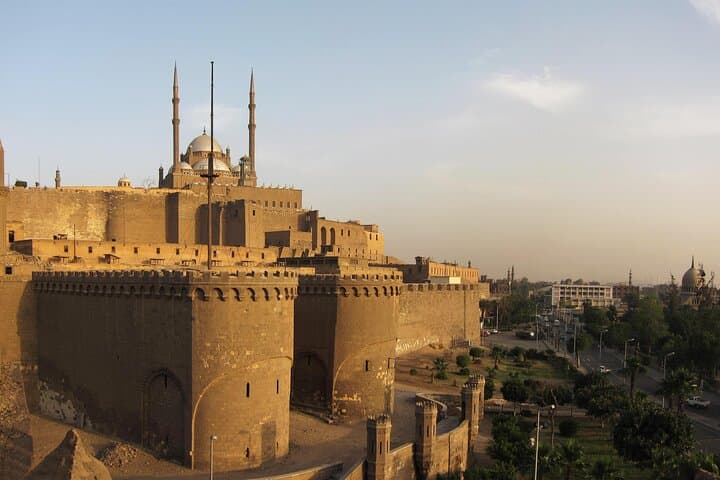
You step from the airport into Cairo’s warm, dust-sweet air and the city's long history seems to press close—minarets and traffic hum framing a skyline that leans toward the Nile.
You step from the airport into Cairo’s warm, dust-sweet air and the city's long history seems to press close—minarets and traffic hum framing a skyline that leans toward the Nile.
This four-night itinerary threads two eras: the Old Kingdom’s stone geometry at Giza and the New Kingdom’s painted tombs and temple colonnades in Luxor. The Pyramids and Sphinx stand as engineered challenges; Saqqara’s step pyramid speaks to early experimentation in monument-building, while Luxor — ancient Thebes — opens as an outdoor museum of mortuary architecture, the Valley of the Kings’ cliffs still holding royal corridors carved into limestone.
Culture here is tactile: marketplaces that trade spices and stories, mosque lamps knocking light across alleys, and the Nile daring you to follow its curve between cities. Geology is plain in the limestone cliffs that cradle Luxor’s necropolis and the alluvial floodplain that made Nile-side settlements possible.
Practically, the trip moves fast: guided Cairo days, a short domestic flight to Luxor, and hotel transfers included. Expect urban walking on uneven stone and sandy surfaces, brief hikes at archaeological sites, and heat that demands planning. Carry hydration, wear closed shoes for tomb approaches, and budget extra for entry tickets and optional sound-and-light shows. Book morning visits where possible to avoid intense midday sun and to see carved reliefs and painted walls in better light.
This package suits travelers who want concentrated cultural mileage with the logistics handled: history-forward days, practical transfers, and enough flexibility to linger at a temple terrace or chase the Nile’s birdlife at dusk.