THE ADVENTURE COLLECTIVE® · Independent discovery and booking for outdoor travel

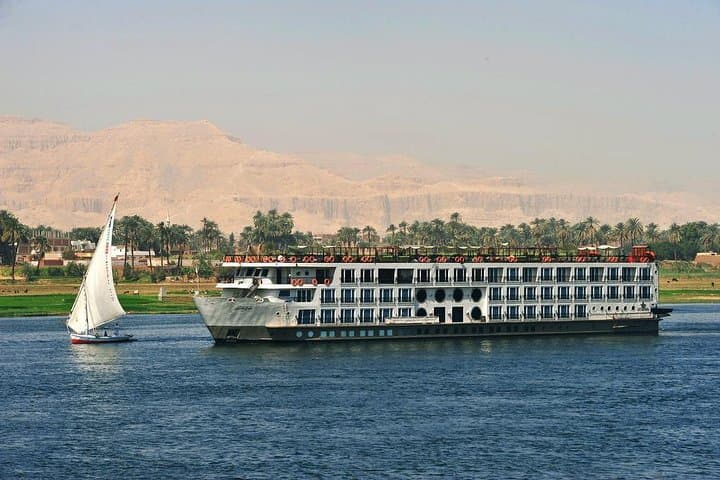
Follow the Nile from Cairo to Abu Simbel on a nine-day circuit through Egypt’s defining sites: Giza, Luxor, Aswan and a four-night Nile cruise. This tour pairs big-name archaeology with practical logistics—cruise nights, internal flights, guided temple visits—for a measured deep dive into pharaonic and Nubian landscapes.
Follow the Nile from Cairo to Abu Simbel on a nine-day circuit through Egypt’s defining sites: Giza, Luxor, Aswan and a four-night Nile cruise. This tour pairs big-name archaeology with practical logistics—cruise nights, internal flights, guided temple visits—for a measured deep dive into pharaonic and Nubian landscapes.
You step out of the airport into Cairo’s dust-laced heat and the Nile, unseen here, already seems to be calling—slow, insistent, daring you to follow its current south.
Verified experiences and guided adventures in the surrounding area.
Operated by Best Of Egypt Tours · Cairo, Cairo
You step out of the airport into Cairo’s dust-laced heat and the Nile, unseen here, already seems to be calling—slow, insistent, daring you to follow its current south.
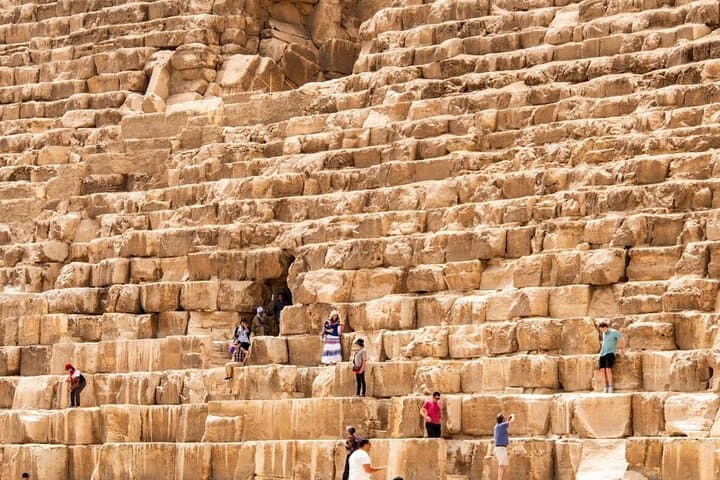
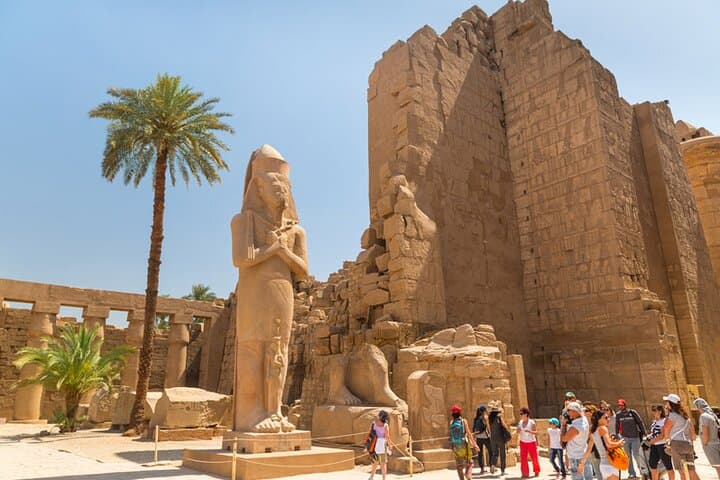
Over nine days the route peels back layers of Egyptian history: the Giza plateau’s angular giants built between 2590–2480 BC, Saqqara’s Step Pyramid rising from older mudbrick traditions, and the Karnak and Luxor complexes that grew over millennia on the Nile’s east bank. Geology is simple here—riverine alluvium feeding life, sandstone and limestone framing temples carved from the local bedrock.
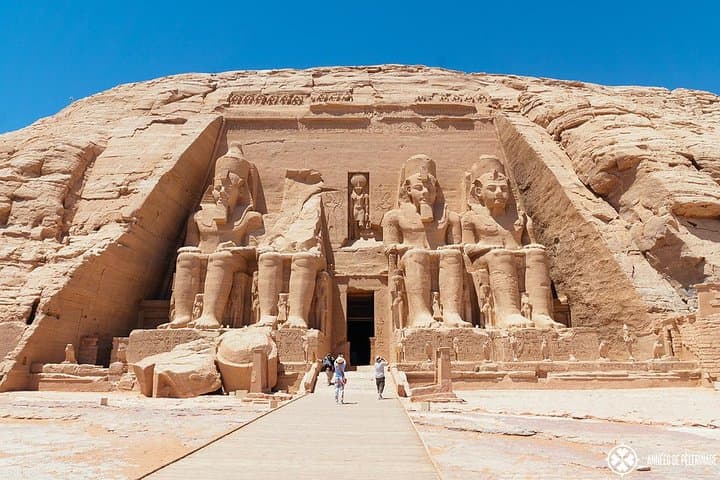
Culture moves at multiple speeds: Cairo’s crowded souks and Coptic quarter, the ceremonial quiet of Luxor’s west bank necropolis, and the Nubian rhythms around Aswan and small island temples. The Abu Simbel temples, resited when the Aswan High Dam created Lake Nasser, brute-force their presence from the desert like time made tangible.
Practically, expect a mix of guided museum and temple visits, short walks across uneven stone, and four nights aboard a deluxe Nile cruise with transfers and one internal flight. Mornings are prime for monuments—cooler light and smaller crowds—while afternoons suit cruising and village visits. Temperatures spike in summer; carry water, sun protection, and lightweight layers. Shoes should have good grip for temple steps and sandy paths. Bring passport copies, local currency for gratuities and small purchases, and an adaptable rhythm: early starts, measured pace, and patience for checkpoints and ferry crossings. This itinerary is a comprehensive introduction to pharaonic Egypt with pragmatic logistics for comfortable exploration.
moderate.
9 days.
Moderate endurance for repeated short walks (1–3 miles per site) and standing; minimal elevation change.
Most itineraries require separate entrance tickets; check your booking—some tours include selected fees but many sites are paid on arrival or prebooked.
Yes, the itinerary specifies a domestic flight from Aswan back to Cairo as part of the package.
It’s low-impact overall but involves walking on uneven surfaces and standing through temple visits; a moderate level of fitness for repeated daily activity is recommended.
Carry Egyptian pounds for market purchases and small tips; gratuities for guides, drivers and crew are customary—budget a daily amount per person.
This route threads major pharaonic centers and temples; Abu Simbel was cut from rock and relocated during the 1960s to avoid Lake Nasser inundation.
Tourism supports local economies but increases pressure on delicate monuments; follow site rules, avoid touching reliefs and use local services that reinvest in communities.
Best Of Egypt Tours operates guided outdoor trips and adventures with an emphasis on safety, stewardship, and memorable experiences.
You step out of the airport into Cairo’s dust-laced heat and the Nile, unseen here, already seems to be calling—slow, insistent, daring you to follow its current south.
You step out of the airport into Cairo’s dust-laced heat and the Nile, unseen here, already seems to be calling—slow, insistent, daring you to follow its current south.
Over nine days the route peels back layers of Egyptian history: the Giza plateau’s angular giants built between 2590–2480 BC, Saqqara’s Step Pyramid rising from older mudbrick traditions, and the Karnak and Luxor complexes that grew over millennia on the Nile’s east bank. Geology is simple here—riverine alluvium feeding life, sandstone and limestone framing temples carved from the local bedrock.
Culture moves at multiple speeds: Cairo’s crowded souks and Coptic quarter, the ceremonial quiet of Luxor’s west bank necropolis, and the Nubian rhythms around Aswan and small island temples. The Abu Simbel temples, resited when the Aswan High Dam created Lake Nasser, brute-force their presence from the desert like time made tangible.
Practically, expect a mix of guided museum and temple visits, short walks across uneven stone, and four nights aboard a deluxe Nile cruise with transfers and one internal flight. Mornings are prime for monuments—cooler light and smaller crowds—while afternoons suit cruising and village visits. Temperatures spike in summer; carry water, sun protection, and lightweight layers. Shoes should have good grip for temple steps and sandy paths. Bring passport copies, local currency for gratuities and small purchases, and an adaptable rhythm: early starts, measured pace, and patience for checkpoints and ferry crossings. This itinerary is a comprehensive introduction to pharaonic Egypt with pragmatic logistics for comfortable exploration.