THE ADVENTURE COLLECTIVE® · Independent discovery and booking for outdoor travel

See Cairo’s top collections and float the Nile on a private two-day itinerary that pairs the Egyptian Museum with the modern NMEC. Ideal for first-time visitors who want curated context plus a relaxed felucca escape.
See Cairo’s top collections and float the Nile on a private two-day itinerary that pairs the Egyptian Museum with the modern NMEC. Ideal for first-time visitors who want curated context plus a relaxed felucca escape.
The Nile cuts a slow, knowing line through Cairo as the city hums around Tahrir Square; on deck of a wooden felucca the river teases you with the city's skyline while gulls wheel above. Start your two-day loop in the echoing halls of the Egyptian Museum, where limestone sarcophagi and gilded funerary masks sit under a hush, then move into modern displays at the National Museum of Egyptian Civilization (NMEC) that trace continuous life along the Nile.
Verified experiences and guided adventures in the surrounding area.
Operated by Emo Tours Swiss · Cairo, Cairo
The Nile cuts a slow, knowing line through Cairo as the city hums around Tahrir Square; on deck of a wooden felucca the river teases you with the city's skyline while gulls wheel above. Start your two-day loop in the echoing halls of the Egyptian Museum, where limestone sarcophagi and gilded funerary masks sit under a hush, then move into modern displays at the National Museum of Egyptian Civilization (NMEC) that trace continuous life along the Nile.
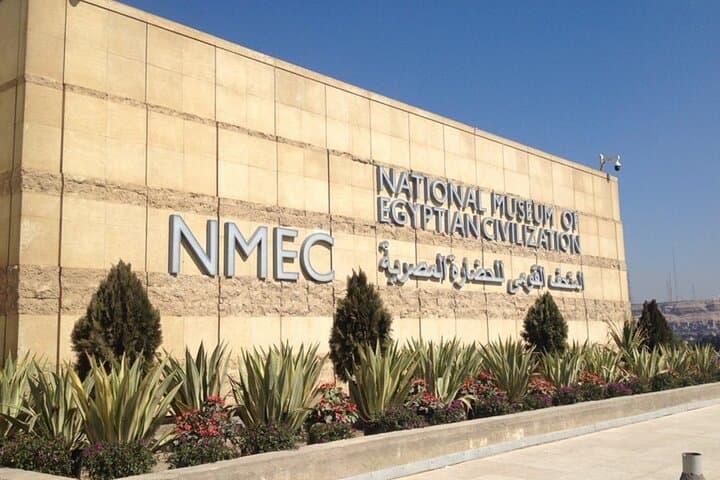
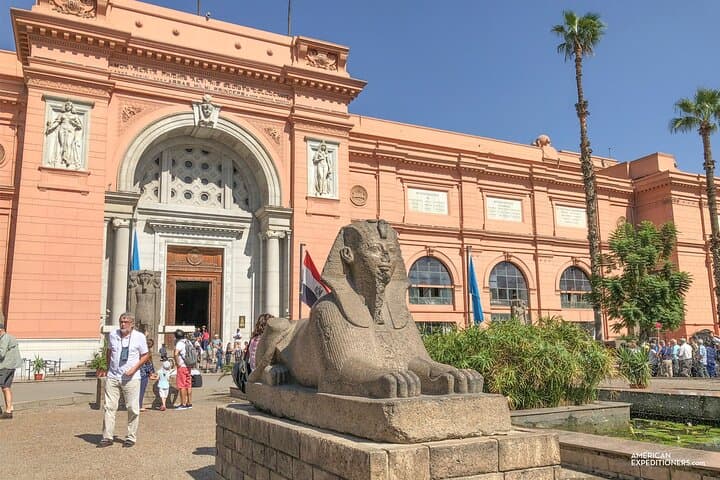
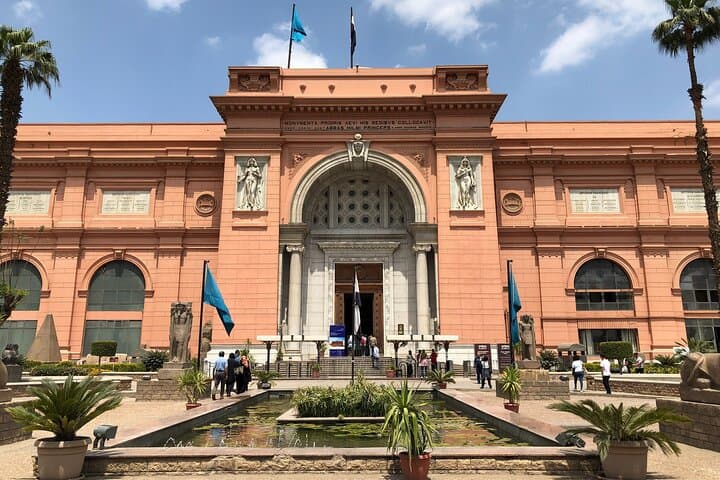
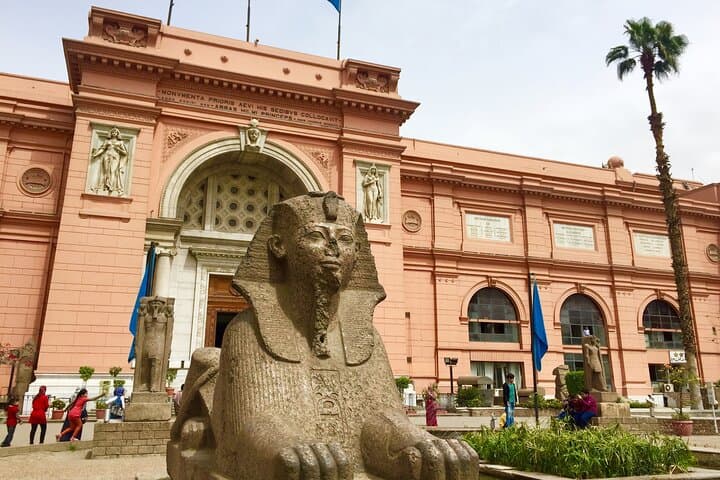
The Egyptian Museum in central Cairo dates from the early 20th century and houses one of the world’s most concentrated collections of Pharaonic objects; NMEC, opened in stages and inaugurated in 2021, reframes those artifacts within broader social histories—recently spotlighted by the Pharaohs’ Golden Parade. Geologically the region is alluvium: the Nile’s floodplain created the rich soils that supported millennia of settlement, and the river itself remains Cairo’s geographic spine.
Culturally the tour balances quiet galleries with active streets: vendors near the museums, the call to prayer as a marker of time, and boatmen who have sailed these waters for generations. The felucca ride is both respite and vantage point—let the current dictate your pace.
Practical guidance: plan morning museum visits to avoid crowds, and book the felucca at sunset for softer light and cooler air. Dress modestly for religious sites and indoor climate-controlled galleries; comfortable walking shoes are essential. Carry local currency for small purchases, bring reusable water and sun protection, and confirm pickup details with your private guide the night before.
easy.
2 days.
Suitable for most fitness levels; involves walking on paved museum floors and short riverboat access steps.
The tour listing indicates admission to the Egyptian Museum and NMEC is included; confirm any temporary exhibit surcharges with your guide.
Yes—private air-conditioned transfers typically collect guests from hotels in Cairo and Giza as part of the package.
Yes—feluccas are family-friendly but confirm age limitations and infant seats when booking to ensure safety and comfort.
The itinerary includes lunch on at least one day; double-check dietary needs when booking so the guide can accommodate them.
The Egyptian Museum in Tahrir opened in the early 1900s and concentrated Pharaonic finds, while NMEC (formally opened in 2021) presents a chronological sweep of Egyptian civilization, including the recent Pharaohs’ Golden Parade relocations.
Museums enforce conservation rules—avoid flash photography and touching artifacts. Support sustainable tourism by using reusable bottles and following local waste-disposal guidance.
Emo Tours Swiss operates guided outdoor trips and adventures with an emphasis on safety, stewardship, and memorable experiences.
The Nile cuts a slow, knowing line through Cairo as the city hums around Tahrir Square; on deck of a wooden felucca the river teases you with the city's skyline while gulls wheel above. Start your two-day loop in the echoing halls of the Egyptian Museum, where limestone sarcophagi and gilded funerary masks sit under a hush, then move into modern displays at the National Museum of Egyptian Civilization (NMEC) that trace continuous life along the Nile.
The Nile cuts a slow, knowing line through Cairo as the city hums around Tahrir Square; on deck of a wooden felucca the river teases you with the city's skyline while gulls wheel above. Start your two-day loop in the echoing halls of the Egyptian Museum, where limestone sarcophagi and gilded funerary masks sit under a hush, then move into modern displays at the National Museum of Egyptian Civilization (NMEC) that trace continuous life along the Nile.
The Egyptian Museum in central Cairo dates from the early 20th century and houses one of the world’s most concentrated collections of Pharaonic objects; NMEC, opened in stages and inaugurated in 2021, reframes those artifacts within broader social histories—recently spotlighted by the Pharaohs’ Golden Parade. Geologically the region is alluvium: the Nile’s floodplain created the rich soils that supported millennia of settlement, and the river itself remains Cairo’s geographic spine.
Culturally the tour balances quiet galleries with active streets: vendors near the museums, the call to prayer as a marker of time, and boatmen who have sailed these waters for generations. The felucca ride is both respite and vantage point—let the current dictate your pace.
Practical guidance: plan morning museum visits to avoid crowds, and book the felucca at sunset for softer light and cooler air. Dress modestly for religious sites and indoor climate-controlled galleries; comfortable walking shoes are essential. Carry local currency for small purchases, bring reusable water and sun protection, and confirm pickup details with your private guide the night before.