THE ADVENTURE COLLECTIVE® · Independent discovery and booking for outdoor travel

Walk the low coastal rainforest and reef of Cahuita with a native naturalistic guide. This three‑hour hike blends attentive wildlife viewing with cultural insights about plant uses and local history.
Walk the low coastal rainforest and reef of Cahuita with a native naturalistic guide. This three‑hour hike blends attentive wildlife viewing with cultural insights about plant uses and local history.
The trail opens like a page of coral and forest: warm Atlantic breeze pushes through low mangroves, and the path follows a coastline where the reef throws turquoise light into shallow pools. Your guide — born in the shadow of these trees — walks slightly ahead, pausing to call out a sloth high in the limbs or to point at a bright frigatebird wheeling over the surf.
Verified experiences and guided adventures in the surrounding area.
Operated by Laka Lakas Tour By Shailo. · Cahuita, Limon
The trail opens like a page of coral and forest: warm Atlantic breeze pushes through low mangroves, and the path follows a coastline where the reef throws turquoise light into shallow pools. Your guide — born in the shadow of these trees — walks slightly ahead, pausing to call out a sloth high in the limbs or to point at a bright frigatebird wheeling over the surf.
Cahuita National Park protects both an accessible coastal rainforest and a fringing coral reef. The park’s boundaries reflect decades of local stewardship and the push in the 1970s–80s to preserve the reef that communities relied on for food and tourism. Geologically the shore is a calm, low-lying platform of sediment and old reef, with sandy beaches, rocky headlands and boardwalk sections that keep walkers above fragile roots and tide pools.
Culturally, the park sits beside Afro‑Caribbean villages where language, music and plant knowledge shape daily life; a native naturalist guide brings those connections into view, explaining medicinal uses for plants and the ecological give‑and‑take between fishermen and reef. Expect a flat, mostly level hike of about 8 km (5 miles) round‑trip when you follow the main coastal trail, minimal elevation gain, and frequent wildlife stops that turn a steady walk into a patient exploration.
Practical notes: plan for sun, sudden tropical showers, and slippery rocks near tide pools. Wear grippy, closed-toe shoes, carry a refillable water bottle, and give wildlife space — photography is best from the trail. The tour’s three-hour window balances steady walking with time to listen, look and learn from someone who grew up here.
easy.
3 hours.
Suitable for most fitness levels; short pauses for wildlife viewing mean steady walking at an easy pace.
The guided experience runs about three hours on mostly flat coastal trail; it’s rated easy and suitable for most walkers with no technical demands.
Guides know local hotspots and timing for sightings; you’re likely to see howler monkeys, sloths, iguanas and a variety of coastal birds but wildlife cannot be guaranteed.
Many main paths and boardwalk sections are accessible, but conditions vary after heavy rain — check with the operator if you require full accessibility.
This hike focuses on coastal trails and interpretation; some outfits can arrange combined snorkeling stops but confirm in advance if you want to swim the reef.
The park was established to protect both coastal rainforest and the nearby coral reef, with strong involvement from local Afro‑Caribbean communities whose knowledge informs current stewardship.
Stay on designated paths, don’t touch or stand on corals, and use reef‑safe sunscreen; local guides work to minimize visitor impact and support reef monitoring.
Laka Lakas Tour By Shailo. operates guided outdoor trips and adventures with an emphasis on safety, stewardship, and memorable experiences.
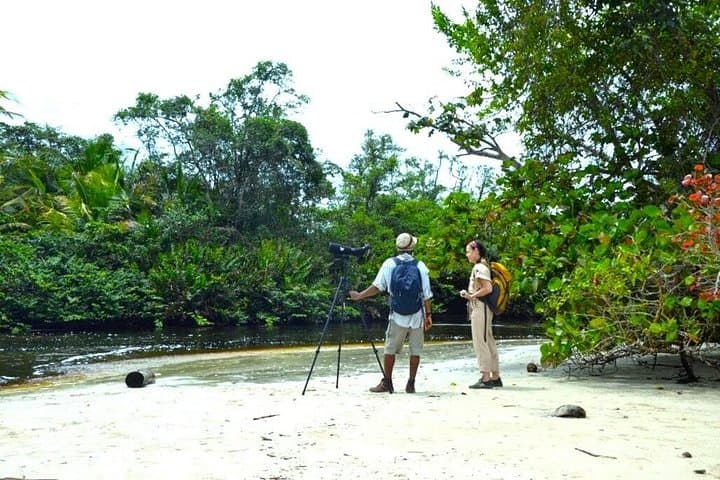

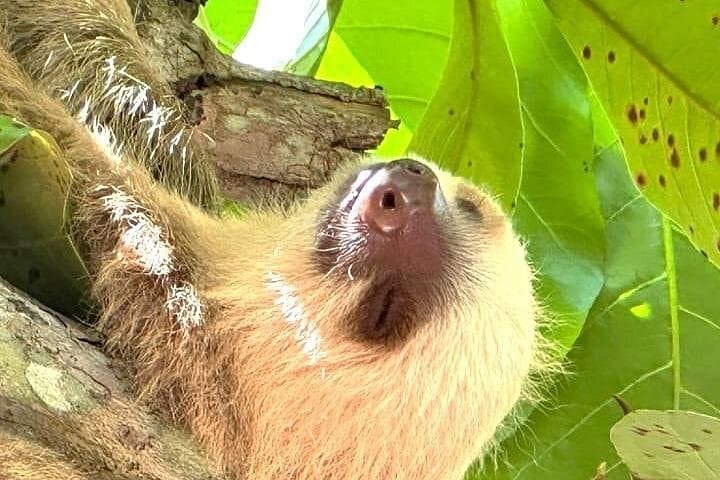
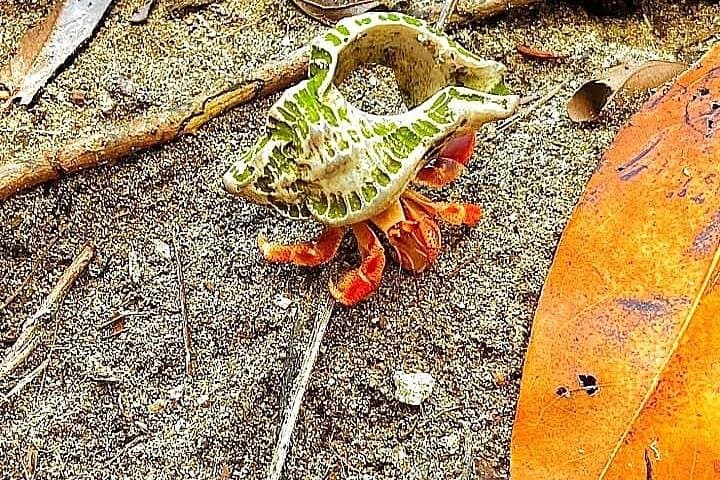
The trail opens like a page of coral and forest: warm Atlantic breeze pushes through low mangroves, and the path follows a coastline where the reef throws turquoise light into shallow pools. Your guide — born in the shadow of these trees — walks slightly ahead, pausing to call out a sloth high in the limbs or to point at a bright frigatebird wheeling over the surf.
The trail opens like a page of coral and forest: warm Atlantic breeze pushes through low mangroves, and the path follows a coastline where the reef throws turquoise light into shallow pools. Your guide — born in the shadow of these trees — walks slightly ahead, pausing to call out a sloth high in the limbs or to point at a bright frigatebird wheeling over the surf.
Cahuita National Park protects both an accessible coastal rainforest and a fringing coral reef. The park’s boundaries reflect decades of local stewardship and the push in the 1970s–80s to preserve the reef that communities relied on for food and tourism. Geologically the shore is a calm, low-lying platform of sediment and old reef, with sandy beaches, rocky headlands and boardwalk sections that keep walkers above fragile roots and tide pools.
Culturally, the park sits beside Afro‑Caribbean villages where language, music and plant knowledge shape daily life; a native naturalist guide brings those connections into view, explaining medicinal uses for plants and the ecological give‑and‑take between fishermen and reef. Expect a flat, mostly level hike of about 8 km (5 miles) round‑trip when you follow the main coastal trail, minimal elevation gain, and frequent wildlife stops that turn a steady walk into a patient exploration.
Practical notes: plan for sun, sudden tropical showers, and slippery rocks near tide pools. Wear grippy, closed-toe shoes, carry a refillable water bottle, and give wildlife space — photography is best from the trail. The tour’s three-hour window balances steady walking with time to listen, look and learn from someone who grew up here.