THE ADVENTURE COLLECTIVE® · Independent discovery and booking for outdoor travel

Turn Cagliari into a crime scene with a self-guided Sherlock Holmes game—solve puzzles, follow digital characters, and explore historic streets at your own pace. Ideal for families and small groups, the two-hour route combines urban history with playful detective work.
Turn Cagliari into a crime scene with a self-guided Sherlock Holmes game—solve puzzles, follow digital characters, and explore historic streets at your own pace. Ideal for families and small groups, the two-hour route combines urban history with playful detective work.
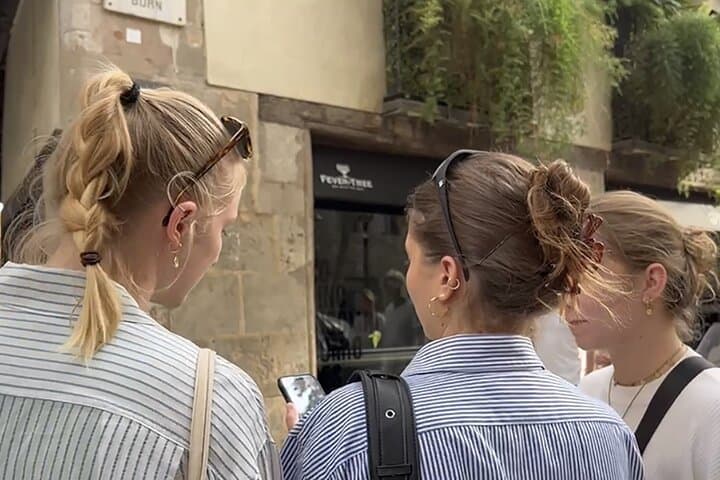
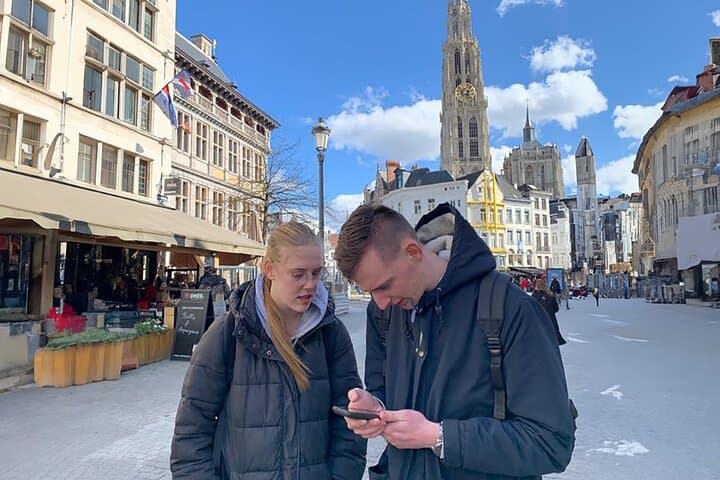
A mid-morning light slides down the Castello district’s narrow lanes and the city seems to offer itself as a stage. Players start with a notification on their phone, then step into alleys where stone facades and church bells become props in a murder plot; the harbor breeze tugs at your map and the streets seem to whisper clues as you move.
Verified experiences and guided adventures in the surrounding area.
Operated by City Game · Cagliari, Sardinia
A mid-morning light slides down the Castello district’s narrow lanes and the city seems to offer itself as a stage. Players start with a notification on their phone, then step into alleys where stone facades and church bells become props in a murder plot; the harbor breeze tugs at your map and the streets seem to whisper clues as you move.
Cagliari’s grid carries layers of history: Phoenician traders, Roman amphitheaters carved into limestone, and medieval ramparts that still watch over the city. The game routes through streets shaped by that history—old granaries, public squares, and hidden viewpoints—so each puzzle doubles as a lesson in local urban development and civic memory. Geologically, the city sits on Cagliari limestone and clay plains; the material of the buildings and the slope toward the harbor give the walk an easy rhythm.
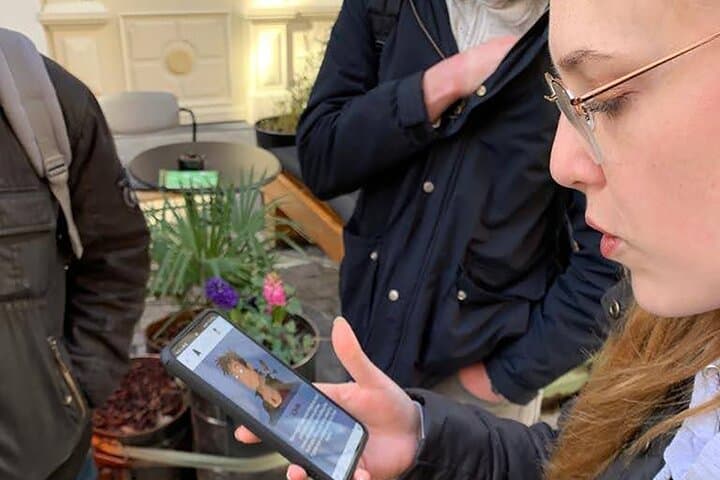
The experience is story-driven and self-paced. After purchase you’ll get instructions and the Loquiz app; the game lasts about two hours and is suitable for families and mixed-ability groups. Expect code puzzles, photo tasks, and short walking segments between clues—roughly 2–3 km total on mostly paved streets. Practical tips: charge your phone, wear comfortable shoes for cobblestones, and pick a start time outside the midday heat in summer. Public transport and cafés bookend the route, so players can refuel or extend the outing.
This is an urban, low-impact way to explore Cagliari: it encourages curiosity without requiring formal guides, but it rewards attention—look up, read plaques, and let the city’s architecture nudge you toward the truth.
easy.
2 hours.
Suitable for all fitness levels; involves light urban walking of about 2–3 km and short standing puzzle sessions
Yes—the game is played through the Loquiz app; you’ll receive download and login instructions after booking.
One ticket covers 1–4 players per device; larger groups can purchase additional tickets and split into teams.
Language availability can vary; check the booking confirmation or contact the operator for options before your visit.
The game is self-guided with a flexible start—after booking you can begin at any time on your chosen date from the designated starting area described in your instructions.
Cagliari grew from Phoenician and Punic roots to a Roman port and later medieval stronghold; the Castello quarter preserves much of that layered civic history.
Urban tourism can stress fragile historic fabric—stay on marked paths, avoid climbing on ruins, and minimize single-use plastic to reduce impact.
City Game operates guided outdoor trips and adventures with an emphasis on safety, stewardship, and memorable experiences.

A mid-morning light slides down the Castello district’s narrow lanes and the city seems to offer itself as a stage. Players start with a notification on their phone, then step into alleys where stone facades and church bells become props in a murder plot; the harbor breeze tugs at your map and the streets seem to whisper clues as you move.
A mid-morning light slides down the Castello district’s narrow lanes and the city seems to offer itself as a stage. Players start with a notification on their phone, then step into alleys where stone facades and church bells become props in a murder plot; the harbor breeze tugs at your map and the streets seem to whisper clues as you move.
Cagliari’s grid carries layers of history: Phoenician traders, Roman amphitheaters carved into limestone, and medieval ramparts that still watch over the city. The game routes through streets shaped by that history—old granaries, public squares, and hidden viewpoints—so each puzzle doubles as a lesson in local urban development and civic memory. Geologically, the city sits on Cagliari limestone and clay plains; the material of the buildings and the slope toward the harbor give the walk an easy rhythm.
The experience is story-driven and self-paced. After purchase you’ll get instructions and the Loquiz app; the game lasts about two hours and is suitable for families and mixed-ability groups. Expect code puzzles, photo tasks, and short walking segments between clues—roughly 2–3 km total on mostly paved streets. Practical tips: charge your phone, wear comfortable shoes for cobblestones, and pick a start time outside the midday heat in summer. Public transport and cafés bookend the route, so players can refuel or extend the outing.
This is an urban, low-impact way to explore Cagliari: it encourages curiosity without requiring formal guides, but it rewards attention—look up, read plaques, and let the city’s architecture nudge you toward the truth.