THE ADVENTURE COLLECTIVE® · Independent discovery and booking for outdoor travel

Walk the Castello quarter to see Cagliari’s cathedral, bastions and panoramic viewpoints in a compact two-hour tour. This guided route mixes medieval history, coastal geology and local culture with practical tips on timing and footwear.
Walk the Castello quarter to see Cagliari’s cathedral, bastions and panoramic viewpoints in a compact two-hour tour. This guided route mixes medieval history, coastal geology and local culture with practical tips on timing and footwear.
You step up from the harbor and the city tilts beneath you: sea-breezes nudge the bollards, gulls pick at the salt air, and the Castello quarter climbs like a compact citadel above the bay.
Verified experiences and guided adventures in the surrounding area.
Operated by AVI Travel · Cagliari, Sardinia
You step up from the harbor and the city tilts beneath you: sea-breezes nudge the bollards, gulls pick at the salt air, and the Castello quarter climbs like a compact citadel above the bay.
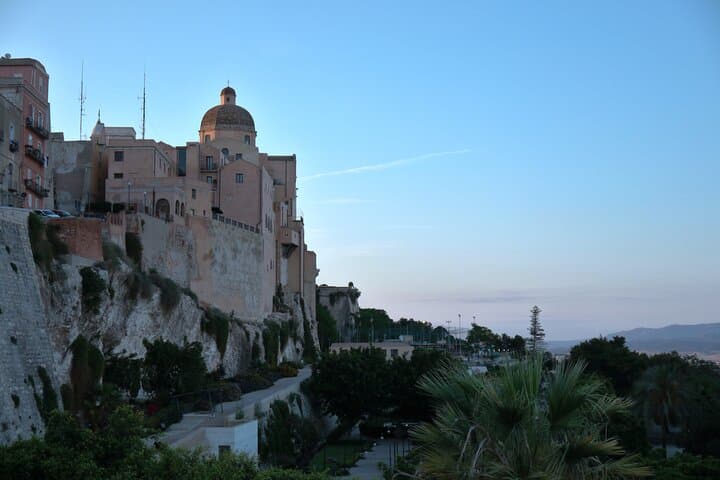
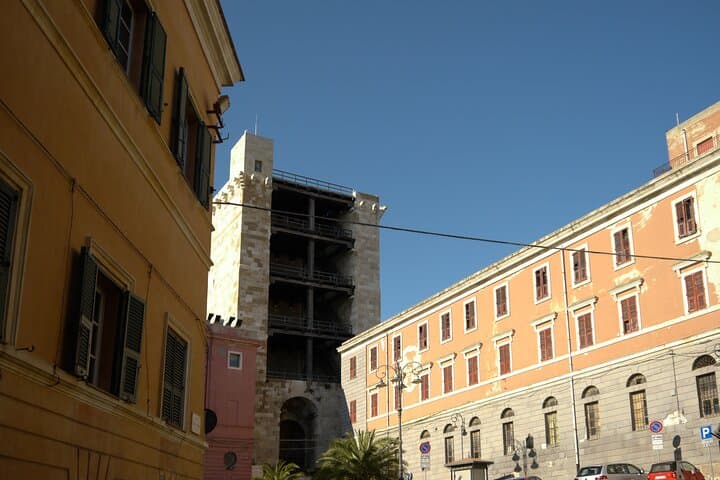
This two-hour guided walk threads through medieval lanes and past XIII-century bastions, taking in the Cathedral of Saint Mary and its rarely seen crypt. Geology is evident beneath your feet — compact limestone and old volcanic outcrops shaped the promontory that made Castello defensible for Phoenicians, Pisa and later Aragonese rulers. The district served as Cagliari’s political and religious core for centuries; you’ll hear how maritime trade and successive rulers left an architectural patchwork of palazzi, towers and armored bastions.
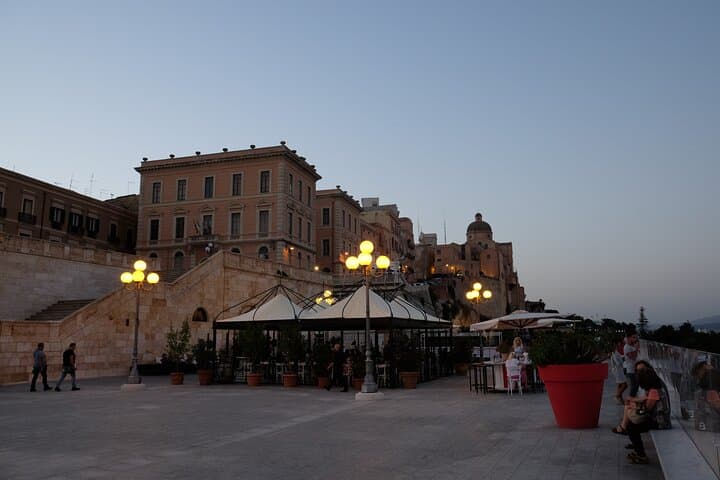
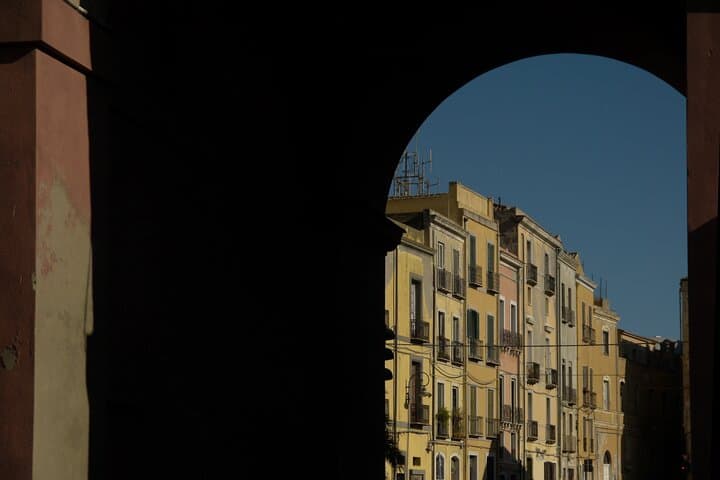
Guides point out panoramic viewpoints where the harbor and Poetto beach read like a map; you’ll pass aristocratic facades, narrow stairwells, and a few quieter courtyards frequented by locals. Cultural notes include Sardinian language traces, traditional architecture details, and how the Cathedral’s crypt preserves relics and mosaics from different eras.
Practical side: expect roughly 1.5–2 km total walking with short, steep stair sections (estimate 30–60 m cumulative elevation gain). Wear grippy shoes for cobbles, bring a water bottle and sun protection — shade is limited on the bastions. Best times are early morning or late afternoon to avoid heat and crowds. The route is public-transport convenient but includes steps, so it’s suitable for travelers with moderate fitness and light mobility needs in mind.
moderate.
2 hours.
Moderate fitness — steady walking with short, steep sections and stairs; suitable for most active travelers
The tour lasts about two hours and covers roughly 1.5–2 km with several short stair climbs and panoramic stops.
Some parts are stroller-accessible but the route includes stairs and narrow alleys; accessibility is limited for wheelchairs.
This listing specifies an English-speaking guide; check the booking page for other language options or private-tour availability.
Comfortable shoes, a small water bottle, sun protection (hat/sunglasses), and a light layer for wind or shade.
Castello has been Cagliari’s administrative and religious core since medieval times; successive rulers from Pisa to Aragon shaped its towers, palaces and defensive walls.
Preservation efforts focus on protecting historic stonework and managing tourist flow in fragile alleys; respect signage and avoid touching delicate masonry.
AVI Travel operates guided outdoor trips and adventures with an emphasis on safety, stewardship, and memorable experiences.
You step up from the harbor and the city tilts beneath you: sea-breezes nudge the bollards, gulls pick at the salt air, and the Castello quarter climbs like a compact citadel above the bay.
You step up from the harbor and the city tilts beneath you: sea-breezes nudge the bollards, gulls pick at the salt air, and the Castello quarter climbs like a compact citadel above the bay.
This two-hour guided walk threads through medieval lanes and past XIII-century bastions, taking in the Cathedral of Saint Mary and its rarely seen crypt. Geology is evident beneath your feet — compact limestone and old volcanic outcrops shaped the promontory that made Castello defensible for Phoenicians, Pisa and later Aragonese rulers. The district served as Cagliari’s political and religious core for centuries; you’ll hear how maritime trade and successive rulers left an architectural patchwork of palazzi, towers and armored bastions.
Guides point out panoramic viewpoints where the harbor and Poetto beach read like a map; you’ll pass aristocratic facades, narrow stairwells, and a few quieter courtyards frequented by locals. Cultural notes include Sardinian language traces, traditional architecture details, and how the Cathedral’s crypt preserves relics and mosaics from different eras.
Practical side: expect roughly 1.5–2 km total walking with short, steep stair sections (estimate 30–60 m cumulative elevation gain). Wear grippy shoes for cobbles, bring a water bottle and sun protection — shade is limited on the bastions. Best times are early morning or late afternoon to avoid heat and crowds. The route is public-transport convenient but includes steps, so it’s suitable for travelers with moderate fitness and light mobility needs in mind.