THE ADVENTURE COLLECTIVE® · Independent discovery and booking for outdoor travel

Board a boat at first light and lower into a steel cage as great whites patrol just yards away. This Cape Town-area shark-diving trip mixes dramatic sightings with practical safety and conservation-minded operations.
Board a boat at first light and lower into a steel cage as great whites patrol just yards away. This Cape Town-area shark-diving trip mixes dramatic sightings with practical safety and conservation-minded operations.
Dawn breaks over the Atlantic as the boat slips out of Kleinbaai; salt spray cools your face and the sea seems to wait, patient and dark. Within an hour the shoreline of the Cape Peninsula is a low line on the horizon and the crew rigs the cage while the captain scans the swell. When the first dorsal appears, the ocean leans forward, daring you to watch.
Verified experiences and guided adventures in the surrounding area.
Operated by Africa Afrika Travel · Gansbaai, Western Cape
Dawn breaks over the Atlantic as the boat slips out of Kleinbaai; salt spray cools your face and the sea seems to wait, patient and dark. Within an hour the shoreline of the Cape Peninsula is a low line on the horizon and the crew rigs the cage while the captain scans the swell. When the first dorsal appears, the ocean leans forward, daring you to watch.
The waters off Gansbaai and Seal Island are products of geological collision and oceanic mixing: granite headlands of the Cape meet the nutrient-rich Benguela upwelling, creating one of the densest marine food webs in the Southern Hemisphere. That abundance drew seal colonies, and where seals gather, great whites follow—turning this corner of the Western Cape into a modern hotspot for both fishermen and researchers. Local communities shifted from extractive uses to wildlife tourism in recent decades, and many operators now work with scientists to tag and study sharks.
Practical guidance: tours run around five hours with early morning pickups from Cape Town; allow two hours drive to departure points near Gansbaai. Operators provide wetsuits and cages—bring motion-sickness meds if you’re prone to seasickness, a waterproof camera or plan to buy photos from the crew, and dress in warm layers for morning and return legs.
Expect close, controlled encounters rather than free swims: divers enter the cage from a ladder on a stable charter boat, and sightings depend on weather and currents. Respect the briefing, follow the crew’s instructions, and enjoy a rare window into a powerful marine predator’s world.
moderate.
5 hours.
Basic mobility and the ability to climb a boat ladder are needed; good balance helps for boarding and entering the cage.
When run by reputable operators, cage diving follows strict safety protocols: solid cages, experienced crews, and strict surface procedures minimize risk—follow the briefing and crew directions at all times.
No; cage diving places you inside a secured steel cage from the boat and wetsuits are provided; basic mobility to climb a ladder is usually sufficient.
Sightings are high in Gansbaai and near Seal Island thanks to abundant seals, but visibility and behavior depend on weather, sea state, and marine conditions—there are no 100% guarantees.
Operators often restrict participation for very young children and pregnant guests; check the specific operator policy and medical advisories before booking.
Gansbaai evolved from a fishing village into a global shark‑diving destination as researchers and tour operators documented dense predator-prey interactions around local seal colonies.
Many operators collaborate with research groups, using sightings to collect data and educate guests; responsible practices reduce disturbance to wildlife and support long-term conservation.
Africa Afrika Travel operates guided outdoor trips and adventures with an emphasis on safety, stewardship, and memorable experiences.
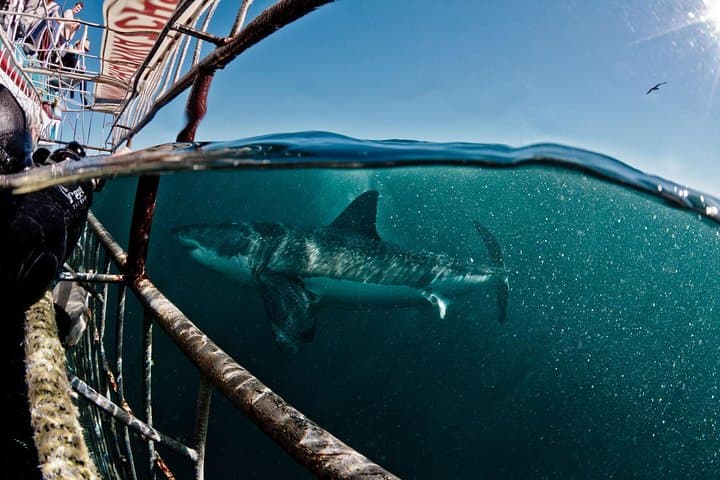
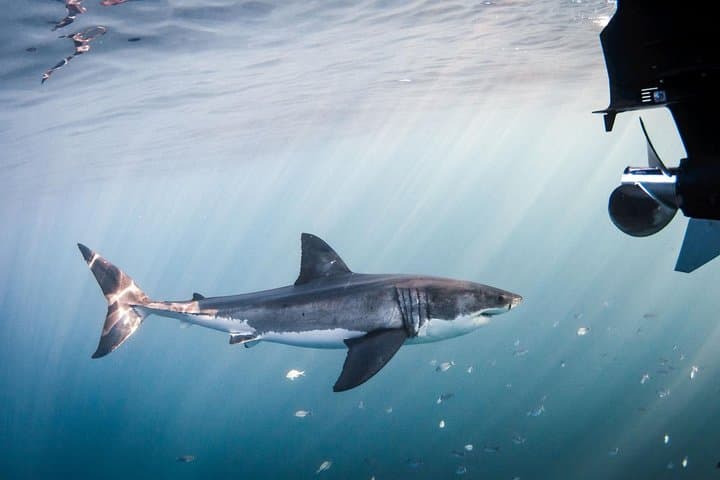
Dawn breaks over the Atlantic as the boat slips out of Kleinbaai; salt spray cools your face and the sea seems to wait, patient and dark. Within an hour the shoreline of the Cape Peninsula is a low line on the horizon and the crew rigs the cage while the captain scans the swell. When the first dorsal appears, the ocean leans forward, daring you to watch.
Dawn breaks over the Atlantic as the boat slips out of Kleinbaai; salt spray cools your face and the sea seems to wait, patient and dark. Within an hour the shoreline of the Cape Peninsula is a low line on the horizon and the crew rigs the cage while the captain scans the swell. When the first dorsal appears, the ocean leans forward, daring you to watch.
The waters off Gansbaai and Seal Island are products of geological collision and oceanic mixing: granite headlands of the Cape meet the nutrient-rich Benguela upwelling, creating one of the densest marine food webs in the Southern Hemisphere. That abundance drew seal colonies, and where seals gather, great whites follow—turning this corner of the Western Cape into a modern hotspot for both fishermen and researchers. Local communities shifted from extractive uses to wildlife tourism in recent decades, and many operators now work with scientists to tag and study sharks.
Practical guidance: tours run around five hours with early morning pickups from Cape Town; allow two hours drive to departure points near Gansbaai. Operators provide wetsuits and cages—bring motion-sickness meds if you’re prone to seasickness, a waterproof camera or plan to buy photos from the crew, and dress in warm layers for morning and return legs.
Expect close, controlled encounters rather than free swims: divers enter the cage from a ladder on a stable charter boat, and sightings depend on weather and currents. Respect the briefing, follow the crew’s instructions, and enjoy a rare window into a powerful marine predator’s world.