THE ADVENTURE COLLECTIVE® · Independent discovery and booking for outdoor travel

A full-day route from Salta through Lerma Valley to Cafayate, this tour pairs dramatic red-rock formations in Quebrada de las Conchas with a winery visit and torrontés tasting. Expect short walks at viewpoints, landscape photography, and a relaxed afternoon among vineyards.
A full-day route from Salta through Lerma Valley to Cafayate, this tour pairs dramatic red-rock formations in Quebrada de las Conchas with a winery visit and torrontés tasting. Expect short walks at viewpoints, landscape photography, and a relaxed afternoon among vineyards.
You leave Salta before sunrise and the road pulls you west through the Lerma Valley, vineyards and scrub sliding past the window as the Andes foothills grow taller. By midmorning the bus eases into Quebrada de las Conchas and the landscape takes on stranger shapes: an amphitheater of folded rock, a narrow throat where wind and water have sharpened the canyon, and mushroom-like towers that rise like cast-off sculptures.
Verified experiences and guided adventures in the surrounding area.
Operated by Tangol · Cafayate, Salta
You leave Salta before sunrise and the road pulls you west through the Lerma Valley, vineyards and scrub sliding past the window as the Andes foothills grow taller. By midmorning the bus eases into Quebrada de las Conchas and the landscape takes on stranger shapes: an amphitheater of folded rock, a narrow throat where wind and water have sharpened the canyon, and mushroom-like towers that rise like cast-off sculptures.
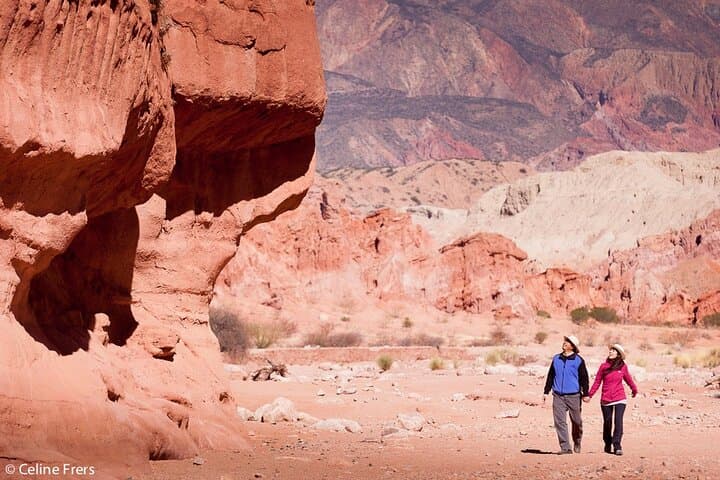
This corridor of the Calchaquí Valleys holds layered stories — red and ochre sediment deposited over millions of years, cut by seasonal streams that dare the rocks to give way. Human history here threads Diaguita-Calchaquí traditions with colonial-era viticulture; Cafayate's sunny terraces now produce torrontés, a white wine with peach and apricot notes suited to the region's dry warmth.
Expect a mix of short walks, viewpoints and a seated winery visit where a tasting and a tour explain local vinification. Photography opportunities are constant: tight canyon textures, long vineyard rows, and the high desert light that makes color read like a dial. Practicalities matter — the day is long (roughly 10–11 hours including transit), temperatures swing, and services in Cafayate are small-town casual.
Bring sun protection, a refillable water bottle, and sturdy shoes for uneven lookout paths. Plan for an early start, modest walking at scenic stops, and time to sample local cuisine in Cafayate's plaza before the return to Salta. The trip is equal parts geology and tasting — designed for visitors who want landscape with a side of wine.
easy.
10–11 hours.
Suitable for most fitness levels; involves short walks and standing at viewpoints but no sustained hiking.
Pickup is offered from select hotels in Salta—confirm your pickup point at booking and allow a flexible early-morning window.
Yes; the itinerary includes a winery visit with a guided tasting of regional wines, typically torrontés.
Walking is limited to short, mostly flat paths at viewpoints and around the winery; no long hikes are required.
Children are allowed but must be accompanied by an adult; check age policies and book accordingly.
The Calchaquí Valleys combine indigenous Diaguita-Calchaquí heritage with centuries of wine culture introduced during Spanish colonial times.
This is an arid, erosion-prone landscape—stay on designated paths, carry out waste, and support wineries with sustainable practices.
Tangol operates guided outdoor trips and adventures with an emphasis on safety, stewardship, and memorable experiences.
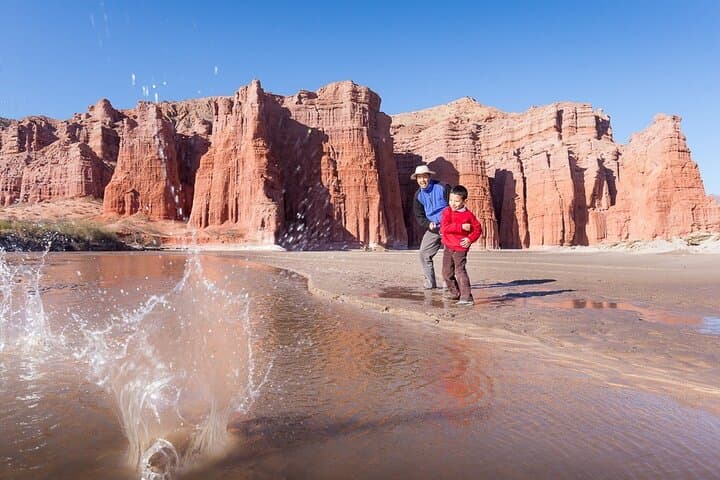
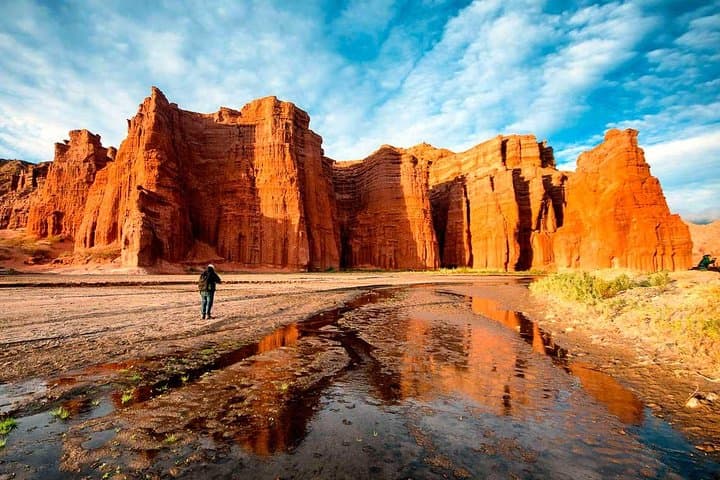
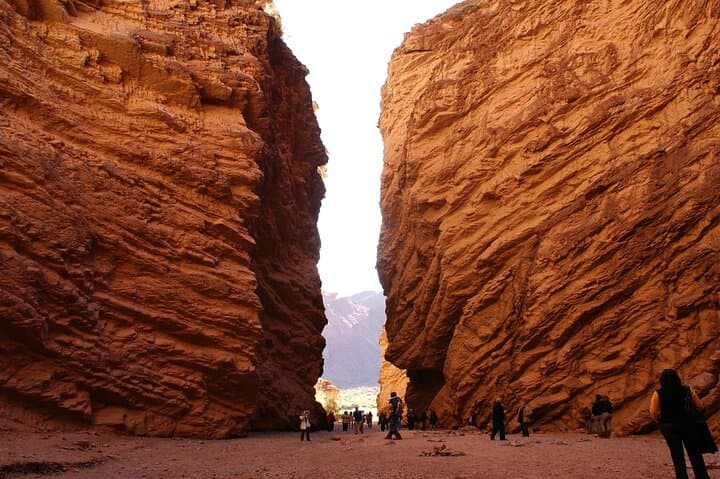
You leave Salta before sunrise and the road pulls you west through the Lerma Valley, vineyards and scrub sliding past the window as the Andes foothills grow taller. By midmorning the bus eases into Quebrada de las Conchas and the landscape takes on stranger shapes: an amphitheater of folded rock, a narrow throat where wind and water have sharpened the canyon, and mushroom-like towers that rise like cast-off sculptures.
You leave Salta before sunrise and the road pulls you west through the Lerma Valley, vineyards and scrub sliding past the window as the Andes foothills grow taller. By midmorning the bus eases into Quebrada de las Conchas and the landscape takes on stranger shapes: an amphitheater of folded rock, a narrow throat where wind and water have sharpened the canyon, and mushroom-like towers that rise like cast-off sculptures.
This corridor of the Calchaquí Valleys holds layered stories — red and ochre sediment deposited over millions of years, cut by seasonal streams that dare the rocks to give way. Human history here threads Diaguita-Calchaquí traditions with colonial-era viticulture; Cafayate's sunny terraces now produce torrontés, a white wine with peach and apricot notes suited to the region's dry warmth.
Expect a mix of short walks, viewpoints and a seated winery visit where a tasting and a tour explain local vinification. Photography opportunities are constant: tight canyon textures, long vineyard rows, and the high desert light that makes color read like a dial. Practicalities matter — the day is long (roughly 10–11 hours including transit), temperatures swing, and services in Cafayate are small-town casual.
Bring sun protection, a refillable water bottle, and sturdy shoes for uneven lookout paths. Plan for an early start, modest walking at scenic stops, and time to sample local cuisine in Cafayate's plaza before the return to Salta. The trip is equal parts geology and tasting — designed for visitors who want landscape with a side of wine.