THE ADVENTURE COLLECTIVE® · Independent discovery and booking for outdoor travel

Drive Ruta 68 from Salta into the red-carved Quebrada de las Conchas, visit Lerma Valley farms, and finish with a tasting of Torrontés in Cafayate. This full-day tour blends dramatic geology with small-town wine culture and easy, scenic stops.
Drive Ruta 68 from Salta into the red-carved Quebrada de las Conchas, visit Lerma Valley farms, and finish with a tasting of Torrontés in Cafayate. This full-day tour blends dramatic geology with small-town wine culture and easy, scenic stops.
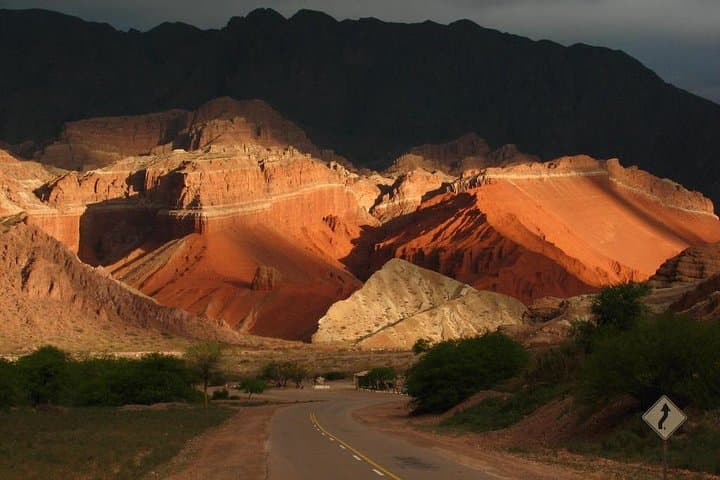
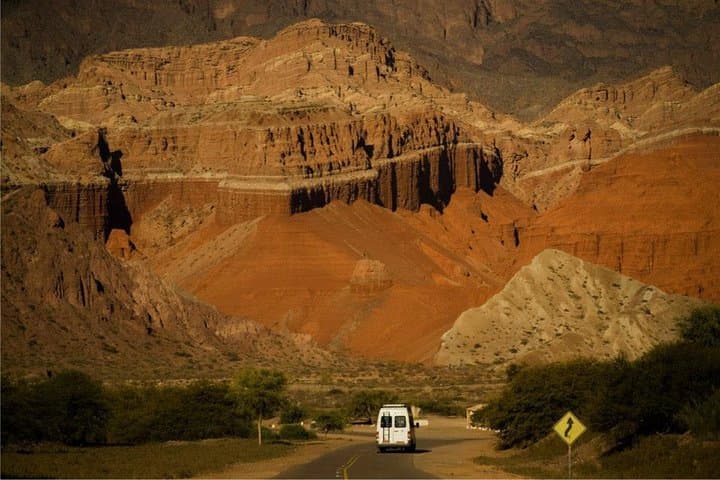
You leave Salta before sunup and the Andes fold open in front of you: a highway that climbs and winds, cliffs catching the morning light in rust and ochre.
Verified experiences and guided adventures in the surrounding area.
Operated by AGENCIA DE TURISMO TIAMAR EVT · Cafayate, Salta
You leave Salta before sunup and the Andes fold open in front of you: a highway that climbs and winds, cliffs catching the morning light in rust and ochre.
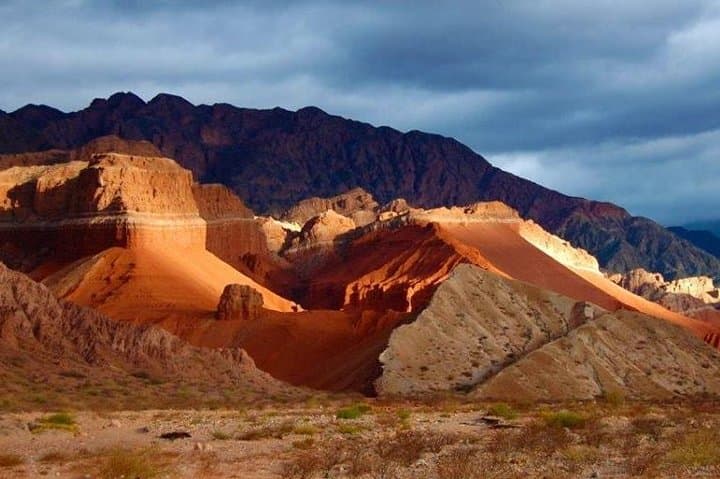
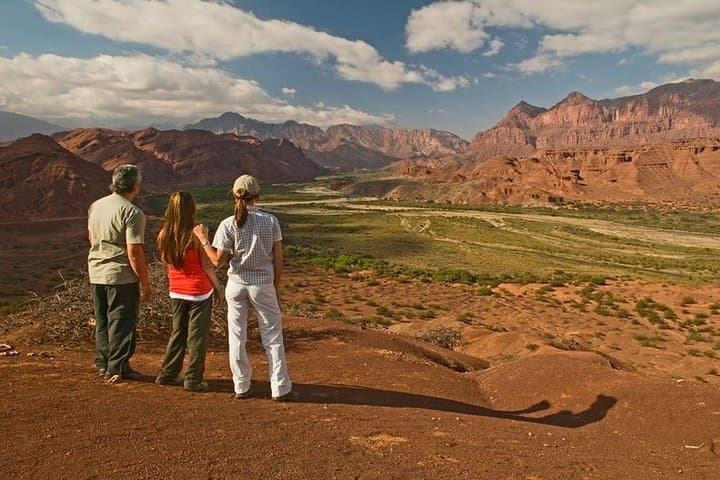
By mid-morning the road threads through the Quebrada de las Conchas, a corridor of sculpted sandstone where wind and water have carved fins, amphitheaters and narrow gorges. Here the landscape becomes a performance—rock faces throw back sound and the bus stops feel like brief intermissions for photographs. The driver slows for viewpoints; a guide points out formations with local names and geological stories, and you realize the scenery is as much a layered history of sediment and uplift as it is a backdrop.
Past the quebrada the valley opens: the Lerma plain gives way to the Calchaquí Valley’s patchwork of small vineyards and tobacco plots. Cafayate, at the valley floor’s gentle rise, is quieter than Salta—its main plaza lined with low adobe and stone houses, a colonial church, and bodegas that have turned Torrontés, the region’s aromatic white grape, into its signature. Tasting rooms here are relaxed: you’ll compare fresh, floral Torrontés to barrel-aged reds while sampling local goat and cow cheeses.
This route is as geological as it is cultural. The rock formations are mid-Miocene sedimentary layers tilted by Andean uplift; the soils in Cafayate—stony, sun-baked, and drained—help produce highly aromatic grapes. The area’s indigenous and colonial past is visible in place names and in small-town rhythms: market stalls, artisans selling carved gourds, and family-run wineries that have scaled up just enough to welcome visitors.
Practical side: the full-day excursion runs about eight hours with roughly three hours’ driving each way along Ruta 68. Expect an elevation change of a few hundred meters as you climb out of Salta and settle into Cafayate’s higher valley; roads are paved but winding. The tour includes pickup and drop-off in Salta, a guided walk among rock formations, time in Cafayate for lunch and wine tasting, and multiple short stops for photos. Bring sun protection, 1–2 liters of water, comfortable walking shoes for uneven surfaces, and a light layer for cooler winds in the afternoon.
Timing matters: afternoons can be hot in summer and afternoons may bring brief showers; spring and autumn offer the most comfortable conditions. If you want a quieter tasting experience, ask the guide to recommend a smaller bodega away from the main plaza. For photographers, aim for the late afternoon light in the quebrada and soft evening light in the vineyards.
This is a day where geology, agriculture, and local flavor converge—an easy, high-reward outing from Salta that leaves you with crisp wine on the palate and dust on your shoes.
easy.
8 hours.
Suitable for most fitness levels; involves short walks and standing during tastings—no sustained hiking.
Expect about 2.5–3 hours each way along Ruta 68 with scenic stops that extend total travel time—this tour is roughly eight hours door-to-door.
Wine tasting is included; most group tours visit one or two bodegas and provide several paired samples of Torrontés and regional reds.
Lunch is usually not included in the basic package—there’s free time in Cafayate to eat at local restaurants or order at a bodega; check the tour details before booking.
The operator requests a current valid passport on the day of travel—bring it if booking details specify ID requirements.
The trip is family-friendly but has short walks on uneven ground; it’s not recommended for travelers with serious spinal issues—confirm accessibility needs with the supplier.
Most public tours operate in Spanish; many guides speak basic English—ask when booking if you need full-English commentary.
The Calchaquí Valley has long been shaped by indigenous communities and later colonial settlements—vine cultivation expanded in the 19th century and modern bodegas blend tradition with boutique wine practices.
The region balances tourism with fragile desert ecosystems—stay on marked roads, avoid collecting rock samples, and support small wineries that practice water-wise viticulture.
AGENCIA DE TURISMO TIAMAR EVT operates guided outdoor trips and adventures with an emphasis on safety, stewardship, and memorable experiences.
You leave Salta before sunup and the Andes fold open in front of you: a highway that climbs and winds, cliffs catching the morning light in rust and ochre.
You leave Salta before sunup and the Andes fold open in front of you: a highway that climbs and winds, cliffs catching the morning light in rust and ochre.
By mid-morning the road threads through the Quebrada de las Conchas, a corridor of sculpted sandstone where wind and water have carved fins, amphitheaters and narrow gorges. Here the landscape becomes a performance—rock faces throw back sound and the bus stops feel like brief intermissions for photographs. The driver slows for viewpoints; a guide points out formations with local names and geological stories, and you realize the scenery is as much a layered history of sediment and uplift as it is a backdrop.
Past the quebrada the valley opens: the Lerma plain gives way to the Calchaquí Valley’s patchwork of small vineyards and tobacco plots. Cafayate, at the valley floor’s gentle rise, is quieter than Salta—its main plaza lined with low adobe and stone houses, a colonial church, and bodegas that have turned Torrontés, the region’s aromatic white grape, into its signature. Tasting rooms here are relaxed: you’ll compare fresh, floral Torrontés to barrel-aged reds while sampling local goat and cow cheeses.
This route is as geological as it is cultural. The rock formations are mid-Miocene sedimentary layers tilted by Andean uplift; the soils in Cafayate—stony, sun-baked, and drained—help produce highly aromatic grapes. The area’s indigenous and colonial past is visible in place names and in small-town rhythms: market stalls, artisans selling carved gourds, and family-run wineries that have scaled up just enough to welcome visitors.
Practical side: the full-day excursion runs about eight hours with roughly three hours’ driving each way along Ruta 68. Expect an elevation change of a few hundred meters as you climb out of Salta and settle into Cafayate’s higher valley; roads are paved but winding. The tour includes pickup and drop-off in Salta, a guided walk among rock formations, time in Cafayate for lunch and wine tasting, and multiple short stops for photos. Bring sun protection, 1–2 liters of water, comfortable walking shoes for uneven surfaces, and a light layer for cooler winds in the afternoon.
Timing matters: afternoons can be hot in summer and afternoons may bring brief showers; spring and autumn offer the most comfortable conditions. If you want a quieter tasting experience, ask the guide to recommend a smaller bodega away from the main plaza. For photographers, aim for the late afternoon light in the quebrada and soft evening light in the vineyards.
This is a day where geology, agriculture, and local flavor converge—an easy, high-reward outing from Salta that leaves you with crisp wine on the palate and dust on your shoes.