THE ADVENTURE COLLECTIVE® · Independent discovery and booking for outdoor travel

Explore more than 4,000 species of cacti and succulents across 12 acres in Strathmerton. Follow eight sandy paths, sample cactus treats and pick up a specimen at the on-site nursery.
Explore more than 4,000 species of cacti and succulents across 12 acres in Strathmerton. Follow eight sandy paths, sample cactus treats and pick up a specimen at the on-site nursery.
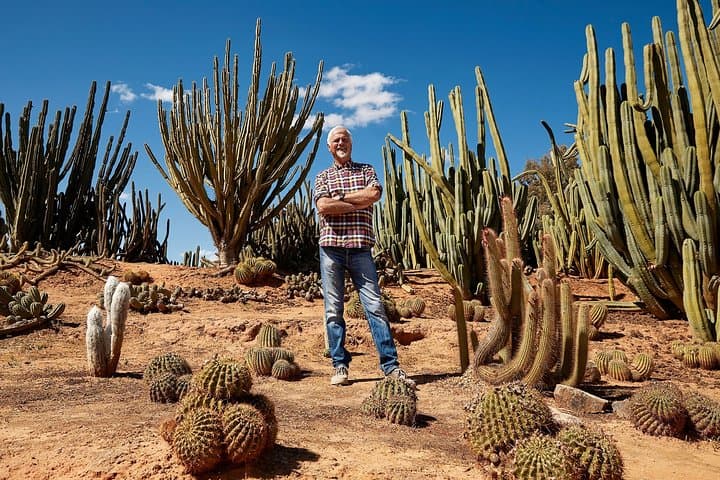
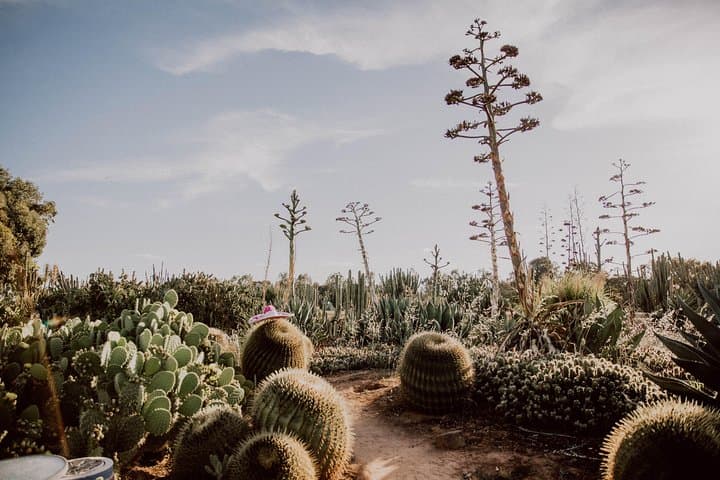
You step off the Murray Valley Highway into a sun-baked garden where spines catch light like tiny chandeliers and every silhouette tells a story. Sandy paths wind through twelve acres of sculpted desert—barrel, column and paddle-shaped forms arranged with the patience of decades. Bees hum through beds of flowering succulents; a distant cider press offers an odd, welcome hum of civilization.
Verified experiences and guided adventures in the surrounding area.
Operated by Cactus Country · Strathmerton, Victoria
You step off the Murray Valley Highway into a sun-baked garden where spines catch light like tiny chandeliers and every silhouette tells a story. Sandy paths wind through twelve acres of sculpted desert—barrel, column and paddle-shaped forms arranged with the patience of decades. Bees hum through beds of flowering succulents; a distant cider press offers an odd, welcome hum of civilization.
What began as an inherited prickly passion from the Hall family has become a curated collection of more than 4,000 cactus and succulent species. Geologically and culturally the garden borrows from arid landscapes of the Americas while sitting on the red-brown soils of northern Victoria; the plants here thrive in low-nutrient, fast-draining mixes that mimic desert beds. The onsite nursery and honey from on-site hives reflect a local approach to plant propagation and small-scale agritourism.
Walk any of the eight paths and you’ll notice seasonal peaks: spring brings sharp splashes of bloom, summer lays bare structural forms, autumn cools the air for easier wandering, and winter reveals architecture beneath the leaves. The garden gives visitors a hands-on horticultural lesson—labels, propagation tips and a nursery where you can buy specimens to start your own plot.
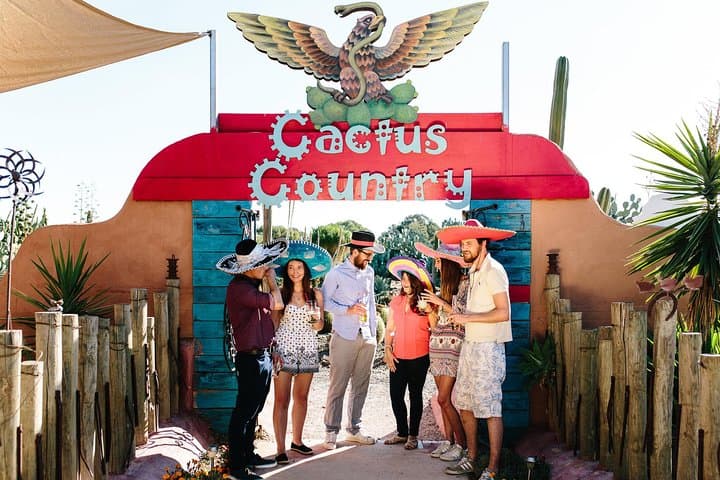
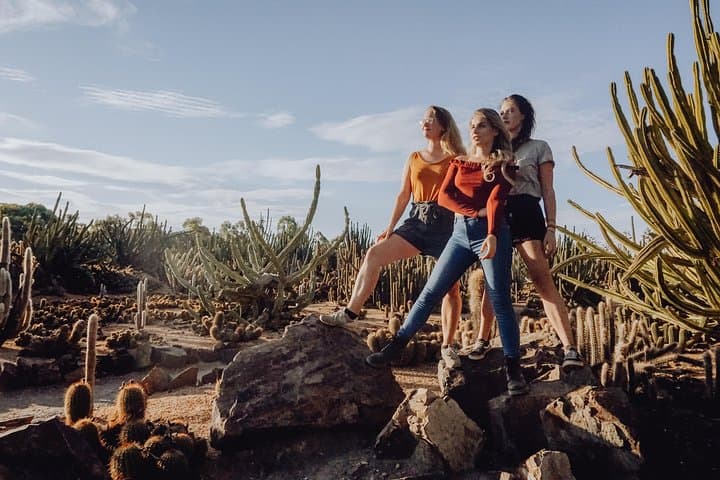
Practicalities: wear closed-toe shoes for sandy trails, bring sun protection and at least 1 L of water for a relaxed 1–4 hour visit. The site is wheelchair- and stroller-accessible, pet-friendly for service animals, and offers cactus-themed refreshments—try the cactus ice cream. If you want photographs, aim for morning or late afternoon light to reduce harsh shadows and capture blooms at their best.
easy.
1–4 hours.
Suitable for all fitness levels; mainly flat, sandy walking on packed trails
Service animals are permitted; other pets may be restricted—check the venue’s current policy before visiting.
Most visitors spend 1–4 hours exploring the eight garden paths and the nursery; photographers may stay longer.
Yes—paths and surfaces are designed to be wheelchair- and stroller-accessible across the main garden areas.
Yes—refreshments include cactus-themed items such as cactus cake and cactus ice cream, plus light snacks and beverages.
Founded from the Hall family’s private collection, Cactus Country developed into a public garden showcasing thousands of specimens and practical propagation techniques.
The garden practices water-wise horticulture and propagation to reduce wild-collection; visitors are asked not to remove plant material and to follow posted biosecurity guidelines.
Cactus Country operates guided outdoor trips and adventures with an emphasis on safety, stewardship, and memorable experiences.
You step off the Murray Valley Highway into a sun-baked garden where spines catch light like tiny chandeliers and every silhouette tells a story. Sandy paths wind through twelve acres of sculpted desert—barrel, column and paddle-shaped forms arranged with the patience of decades. Bees hum through beds of flowering succulents; a distant cider press offers an odd, welcome hum of civilization.
You step off the Murray Valley Highway into a sun-baked garden where spines catch light like tiny chandeliers and every silhouette tells a story. Sandy paths wind through twelve acres of sculpted desert—barrel, column and paddle-shaped forms arranged with the patience of decades. Bees hum through beds of flowering succulents; a distant cider press offers an odd, welcome hum of civilization.
What began as an inherited prickly passion from the Hall family has become a curated collection of more than 4,000 cactus and succulent species. Geologically and culturally the garden borrows from arid landscapes of the Americas while sitting on the red-brown soils of northern Victoria; the plants here thrive in low-nutrient, fast-draining mixes that mimic desert beds. The onsite nursery and honey from on-site hives reflect a local approach to plant propagation and small-scale agritourism.
Walk any of the eight paths and you’ll notice seasonal peaks: spring brings sharp splashes of bloom, summer lays bare structural forms, autumn cools the air for easier wandering, and winter reveals architecture beneath the leaves. The garden gives visitors a hands-on horticultural lesson—labels, propagation tips and a nursery where you can buy specimens to start your own plot.
Practicalities: wear closed-toe shoes for sandy trails, bring sun protection and at least 1 L of water for a relaxed 1–4 hour visit. The site is wheelchair- and stroller-accessible, pet-friendly for service animals, and offers cactus-themed refreshments—try the cactus ice cream. If you want photographs, aim for morning or late afternoon light to reduce harsh shadows and capture blooms at their best.