THE ADVENTURE COLLECTIVE® · Independent discovery and booking for outdoor travel

A three-day overland circuit from Salta explores colonial Cachi, the rainbow banded Hornocal and the vast Salinas Grandes salt flat—long drives, high-altitude views and vivid Andean culture.
A three-day overland circuit from Salta explores colonial Cachi, the rainbow banded Hornocal and the vast Salinas Grandes salt flat—long drives, high-altitude views and vivid Andean culture.
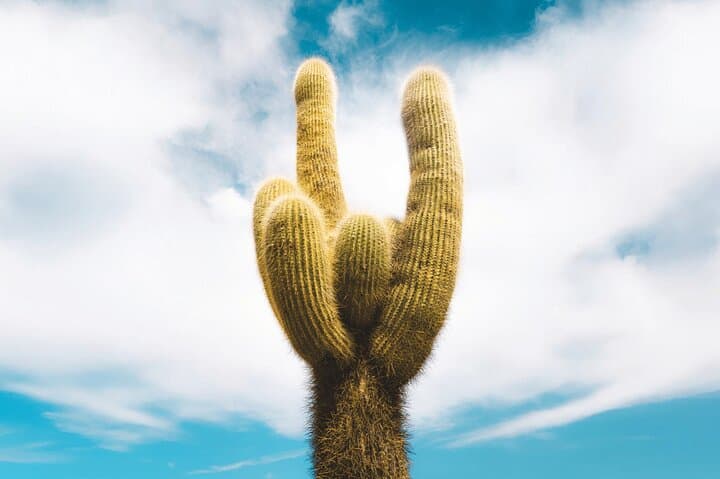
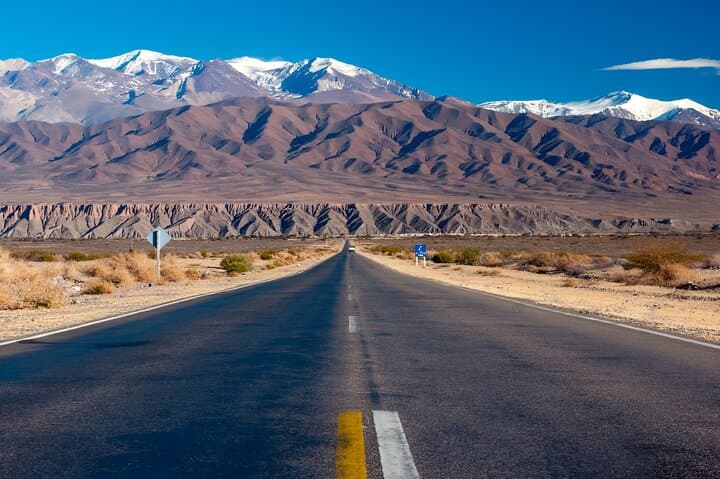
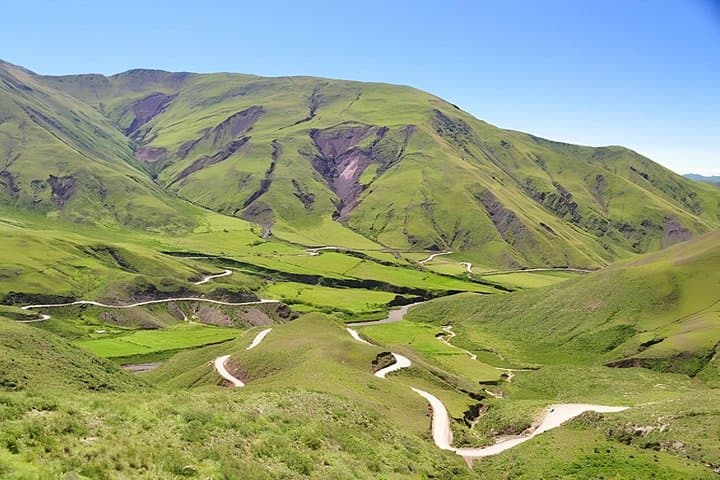
Dust from the high puna blurs the horizon as the bus climbs Cuesta del Obispo and the landscape opens into crisp, sunburnt ridgelines. On day one the colonial grid of Cachi feels almost frozen in time—adobe façades, cobbled streets and a thin wind that carries the smell of wood smoke. The next days push higher: the painter’s palette of Hornocal rises in serried stripes, and the white plains of Salinas Grandes stretch mirror-flat beneath an expansive sky.
Verified experiences and guided adventures in the surrounding area.
Operated by La Quebrada Turismo · Salta, Salta
Dust from the high puna blurs the horizon as the bus climbs Cuesta del Obispo and the landscape opens into crisp, sunburnt ridgelines. On day one the colonial grid of Cachi feels almost frozen in time—adobe façades, cobbled streets and a thin wind that carries the smell of wood smoke. The next days push higher: the painter’s palette of Hornocal rises in serried stripes, and the white plains of Salinas Grandes stretch mirror-flat beneath an expansive sky.
This route threads through the Lerma Valley, Los Cardones National Park and the Quebrada de Humahuaca—a UNESCO World Heritage corridor shaped by tectonic uplift and millennia of human passage. Cerro de los Siete Colores and Hornocal’s 14 colors are sedimentary layers exposed by erosion; Purmamarca, Tilcara and Humahuaca preserve indigenous and colonial histories visible in churches, textiles and pre-Columbian ruins.
Expect long drives with technical 4x4 segments (Hornocal) and short on-foot photo stops at high altitude (Piedra del Molino ~3,400 m; Lipán Hill ~4,170 m). Terrain alternates paved road, dirt switchbacks and salt crust. Local culture is present in roadside markets, ceramic workshops and the ubiquitous llama caravans of the puna.
Practical guidance: acclimatize in Salta, carry water and sun protection, and pack warm layers for cold, windy plateaus. Bring a reusable bottle, small snacks for the Hornocal transfer, and a camera with charged batteries—the light changes fast. The trip is accessible for most fitness levels but plan for altitude and long vehicle days.
easy.
3 days (full days with long drives).
Suitable for travelers in average fitness who can tolerate long vehicle days and short walks at altitude.
Key stops reach 3,400 m at Piedra del Molino and around 4,170 m on Lipán Hill; Hornocal viewing points are similarly high, so expect thinner air.
The itinerary includes some admissions and planned stops; lunches are typically on-your-own—bring snacks for remote 4x4 segments.
The tour is rated physically easy with long drives, but consider altitude sensitivity; infants must sit on laps per operator policy.
You’ll travel paved national roads plus winding high-altitude dirt and 4x4 tracks for Hornocal; vehicles are air-conditioned but expect bumpy sections.
The Quebrada de Humahuaca has been a human corridor for thousands of years and is a UNESCO World Heritage Site for its cultural landscape and trade routes.
The puna and salt flats are fragile—stick to marked areas, avoid driving on wet salt crusts and carry out all trash to limit lasting damage.
La Quebrada Turismo operates guided outdoor trips and adventures with an emphasis on safety, stewardship, and memorable experiences.

Dust from the high puna blurs the horizon as the bus climbs Cuesta del Obispo and the landscape opens into crisp, sunburnt ridgelines. On day one the colonial grid of Cachi feels almost frozen in time—adobe façades, cobbled streets and a thin wind that carries the smell of wood smoke. The next days push higher: the painter’s palette of Hornocal rises in serried stripes, and the white plains of Salinas Grandes stretch mirror-flat beneath an expansive sky.
Dust from the high puna blurs the horizon as the bus climbs Cuesta del Obispo and the landscape opens into crisp, sunburnt ridgelines. On day one the colonial grid of Cachi feels almost frozen in time—adobe façades, cobbled streets and a thin wind that carries the smell of wood smoke. The next days push higher: the painter’s palette of Hornocal rises in serried stripes, and the white plains of Salinas Grandes stretch mirror-flat beneath an expansive sky.
This route threads through the Lerma Valley, Los Cardones National Park and the Quebrada de Humahuaca—a UNESCO World Heritage corridor shaped by tectonic uplift and millennia of human passage. Cerro de los Siete Colores and Hornocal’s 14 colors are sedimentary layers exposed by erosion; Purmamarca, Tilcara and Humahuaca preserve indigenous and colonial histories visible in churches, textiles and pre-Columbian ruins.
Expect long drives with technical 4x4 segments (Hornocal) and short on-foot photo stops at high altitude (Piedra del Molino ~3,400 m; Lipán Hill ~4,170 m). Terrain alternates paved road, dirt switchbacks and salt crust. Local culture is present in roadside markets, ceramic workshops and the ubiquitous llama caravans of the puna.
Practical guidance: acclimatize in Salta, carry water and sun protection, and pack warm layers for cold, windy plateaus. Bring a reusable bottle, small snacks for the Hornocal transfer, and a camera with charged batteries—the light changes fast. The trip is accessible for most fitness levels but plan for altitude and long vehicle days.