THE ADVENTURE COLLECTIVE® · Independent discovery and booking for outdoor travel

Spend a day tracing cacao from pod to bar on a private trip from Santo Domingo to El Sendero del Cacao. Visit Hacienda La Esmeralda to learn fermentation, roasting and artisanal techniques, with tastings and a farm walk.
Spend a day tracing cacao from pod to bar on a private trip from Santo Domingo to El Sendero del Cacao. Visit Hacienda La Esmeralda to learn fermentation, roasting and artisanal techniques, with tastings and a farm walk.
You step out of an air‑conditioned van into a humid ribbon of green: low cacao trees shoulder broad, glossy leaves while birds pick at ripe pods. The plantation path smells of damp earth and fermenting pulp; the air itself seems to be working—ripening, sweetening, coaxing flavor from bean to bar.
Verified experiences and guided adventures in the surrounding area.
Operated by MamaJuana Travel · San Francisco de Macorís, Duarte
You step out of an air‑conditioned van into a humid ribbon of green: low cacao trees shoulder broad, glossy leaves while birds pick at ripe pods. The plantation path smells of damp earth and fermenting pulp; the air itself seems to be working—ripening, sweetening, coaxing flavor from bean to bar.
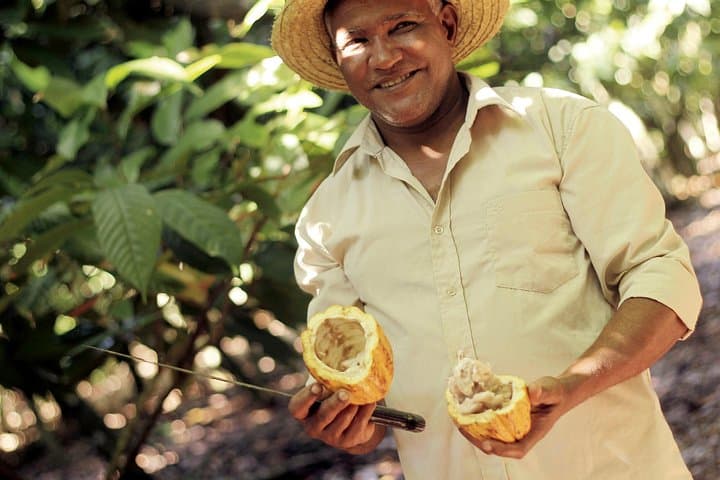
This tour follows a living cultural line: cacao in the Dominican Republic carries Taino agricultural practices and centuries of African culinary influence. In the Cibao region around San Francisco de Macorís, alluvial soils and a tropical, humid climate create ideal understory conditions for cacao. At Hacienda La Esmeralda and El Sendero del Cacao you’ll watch the steps—harvest, fermentation, drying, roasting, grinding, conching—and taste the subtle shifts at each stage.
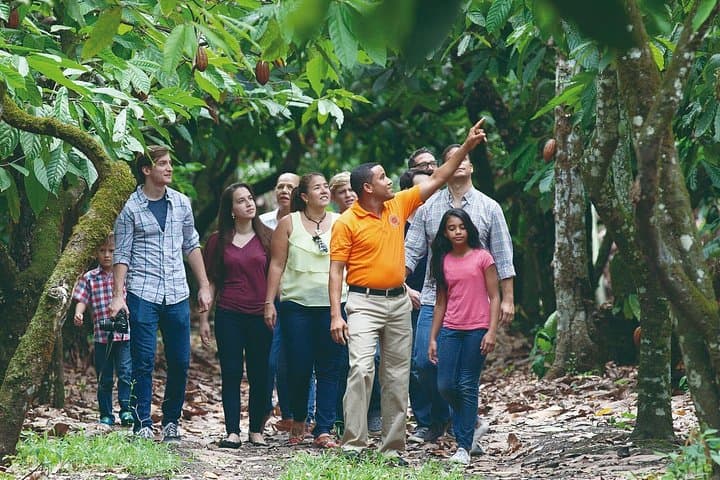
Expect a full day (about 8–11 hours) with roughly a 2–3 hour drive each way from Santo Domingo. The visit is practical and hands‑on: guided walks through shaded rows, demonstrations in small‑batch production rooms, and a comparative tasting of fresh bean, nibs, and finished chocolate. Local guides contextualize techniques alongside social history and the economics of sustainable farming.
Practical tips: wear closed‑toe shoes for the farm trails, bring sun and rain protection, and carry insect repellent. The tour includes breakfast, coffee, bottled water, and lunch; it’s private and suitable for most fitness levels. For travelers who want a grounded, sensory education in where chocolate begins, this is an accessible, richly textured day immersed in land, labor, and flavor.
easy.
8–11 hours.
Suitable for most fitness levels; tour involves walking short farm trails and standing during demonstrations
Expect about 2–3 hours each way by car, depending on traffic and road conditions—total activity time is roughly 8–11 hours.
Yes; the tour is family‑friendly and suitable for most ages, though younger children may tire on the farm walk.
Yes—breakfast, coffee or tea, bottled water and lunch are included, plus chocolate tastings during the demonstration.
The tour involves uneven farm trails; contact the operator ahead of time to discuss accessibility and arrange adaptations if needed.
Cacao cultivation in the Dominican Republic blends pre‑Columbian Taino cultivation knowledge with African culinary traditions introduced during colonial times, shaping regional chocolate practices.
Many local producers use agroforestry and organic practices to preserve shade cover and biodiversity; supporting small‑scale chocolate helps incentivize sustainable land use.
MamaJuana Travel operates guided outdoor trips and adventures with an emphasis on safety, stewardship, and memorable experiences.
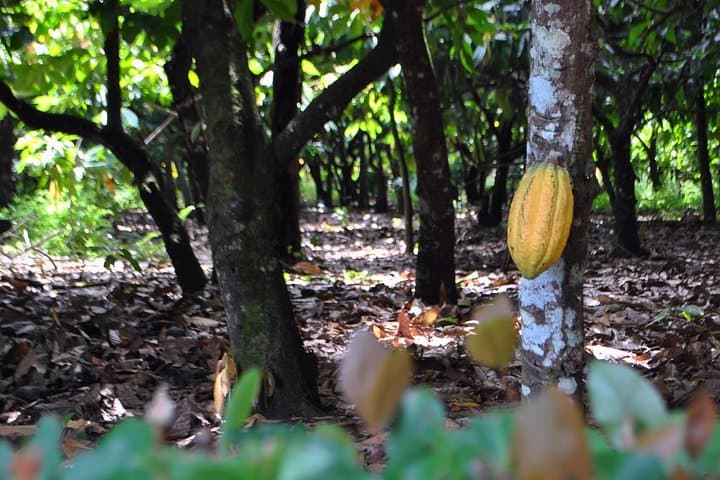
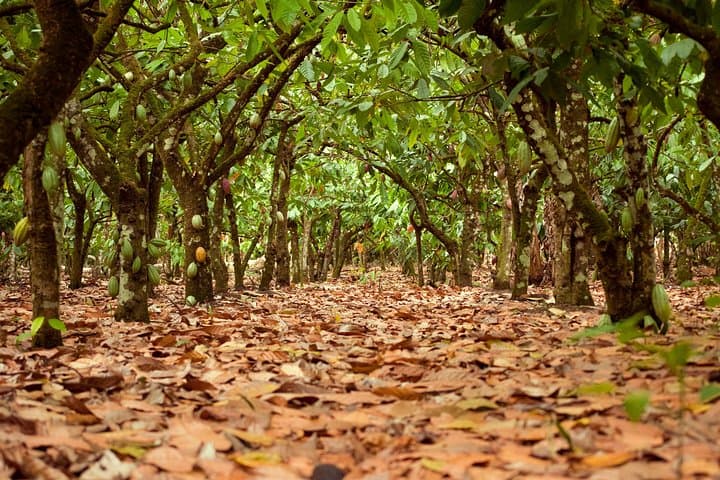
You step out of an air‑conditioned van into a humid ribbon of green: low cacao trees shoulder broad, glossy leaves while birds pick at ripe pods. The plantation path smells of damp earth and fermenting pulp; the air itself seems to be working—ripening, sweetening, coaxing flavor from bean to bar.
You step out of an air‑conditioned van into a humid ribbon of green: low cacao trees shoulder broad, glossy leaves while birds pick at ripe pods. The plantation path smells of damp earth and fermenting pulp; the air itself seems to be working—ripening, sweetening, coaxing flavor from bean to bar.
This tour follows a living cultural line: cacao in the Dominican Republic carries Taino agricultural practices and centuries of African culinary influence. In the Cibao region around San Francisco de Macorís, alluvial soils and a tropical, humid climate create ideal understory conditions for cacao. At Hacienda La Esmeralda and El Sendero del Cacao you’ll watch the steps—harvest, fermentation, drying, roasting, grinding, conching—and taste the subtle shifts at each stage.
Expect a full day (about 8–11 hours) with roughly a 2–3 hour drive each way from Santo Domingo. The visit is practical and hands‑on: guided walks through shaded rows, demonstrations in small‑batch production rooms, and a comparative tasting of fresh bean, nibs, and finished chocolate. Local guides contextualize techniques alongside social history and the economics of sustainable farming.
Practical tips: wear closed‑toe shoes for the farm trails, bring sun and rain protection, and carry insect repellent. The tour includes breakfast, coffee, bottled water, and lunch; it’s private and suitable for most fitness levels. For travelers who want a grounded, sensory education in where chocolate begins, this is an accessible, richly textured day immersed in land, labor, and flavor.