THE ADVENTURE COLLECTIVE® · Independent discovery and booking for outdoor travel

Head offshore from Cabo San Lucas for a four-hour whale and dolphin watch that often includes views of the Arch, lifevests, and roundtrip ground transport. Best from December through April, the trip pairs marine wildlife viewing with local maritime culture.
Head offshore from Cabo San Lucas for a four-hour whale and dolphin watch that often includes views of the Arch, lifevests, and roundtrip ground transport. Best from December through April, the trip pairs marine wildlife viewing with local maritime culture.
Morning light hits the Pacific and the captain calls up the throttle — the boat slices through blue and the Arch of Cabo San Lucas slips from view. On a clear day, the ocean is active: dolphins escort the bow, and distant spouts mark the waking routes of humpbacks headed to Baja’s breeding waters.
Verified experiences and guided adventures in the surrounding area.
Operated by Live&Travel Tours · Cabo San Lucas, Baja California Sur
Morning light hits the Pacific and the captain calls up the throttle — the boat slices through blue and the Arch of Cabo San Lucas slips from view. On a clear day, the ocean is active: dolphins escort the bow, and distant spouts mark the waking routes of humpbacks headed to Baja’s breeding waters.
This stretch of sea is part of a long migration corridor. Each winter humpback and gray whales travel from northern feeding grounds to the warmer bays off Baja California Sur; Cabo sits near the southern edge of those routes. Geology here is dramatic too — granite stacks carved by wind and wave form Land’s End, a stark contrast to the soft, seasonal bays where whales calve.
Local culture leans on the sea: artisanal fishing, boatbuilding, and tourism shaped Cabo’s identity. Onboard you’ll often find bilingual crews, lifevests provided, and, on some vessels, tequila tastings that nod to regional flavors.
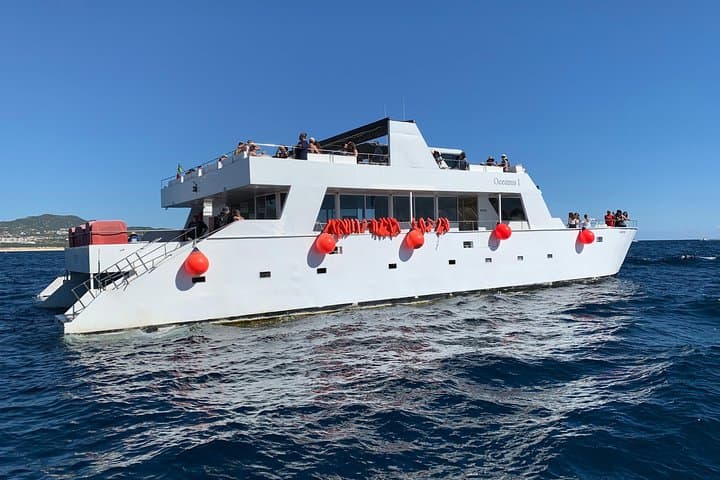
Practical guidance matters: trips run about four hours, often from December through April for reliable whale sightings. Expect wind, spray, and sun — layers and non-slip shoes help, and over-the-counter seasickness remedies are worth considering. Choose a catamaran for smoother, social cruising and an open-speedboat for closer, faster approaches; remember operators must follow marine protection rules and keep respectful distances.
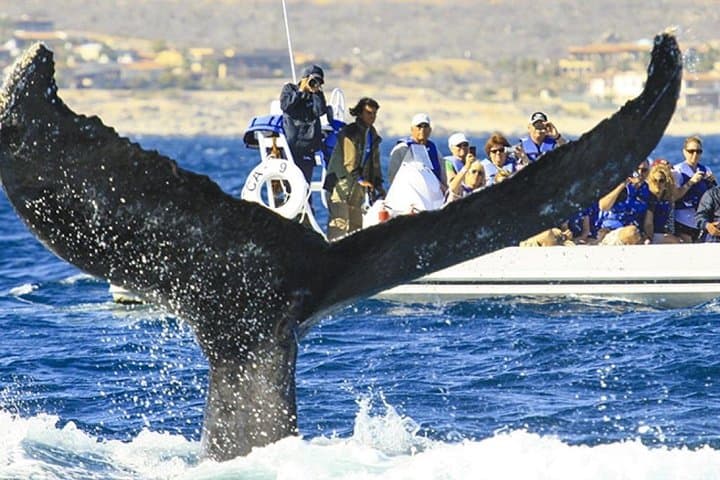
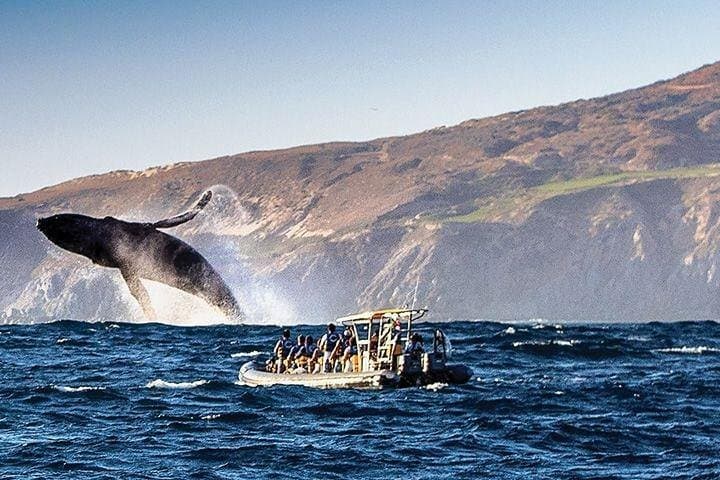
Plan hotel pickups, bring a camera with a zoom and binoculars, and use reef-safe sunscreen. With a clear morning and patient eyes, the ocean will reward you — sudden breaches, tail slaps, and pods of curious dolphins that seem to test your resolve to stay quiet and watch.
easy.
4 hours.
Suitable for most fitness levels; involves boarding a boat and standing or seating for several hours
The best window is December through April, with peak activity often between January and March when humpbacks transit and breed in Baja waters.
Many operators include roundtrip hotel transfers or specify meeting points — check your booking details for pickup options and timing.
Bring or take over-the-counter motion-sickness medication before boarding; ginger, acupressure bands, and staying on deck facing the horizon can help.
Yes — certified vessels carry lifevests and basic safety equipment; crews are typically trained and bilingual, and infants may be required to sit on laps.
Cabo’s marine economy evolved from fishing and pearl diving; the region became a major tourism and sportfishing center in the 20th century, with boat tours now central to its identity.
Operators follow distance regulations during whale encounters and many encourage reef-safe sunscreen and waste minimization; choose certified tours to support responsible viewing.
Live&Travel Tours operates guided outdoor trips and adventures with an emphasis on safety, stewardship, and memorable experiences.
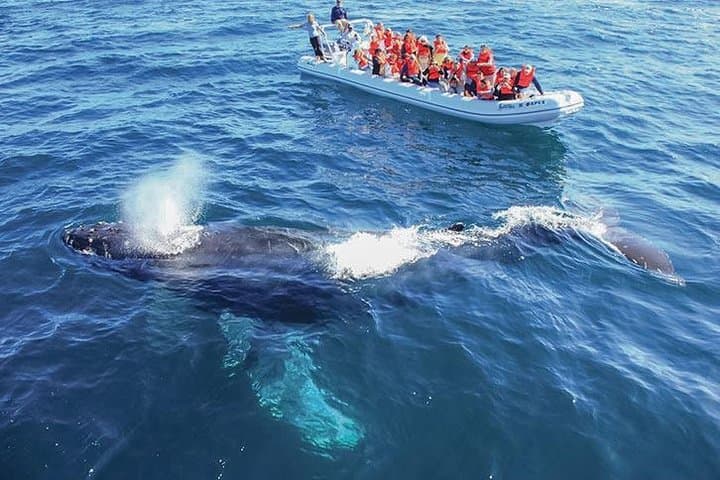
Morning light hits the Pacific and the captain calls up the throttle — the boat slices through blue and the Arch of Cabo San Lucas slips from view. On a clear day, the ocean is active: dolphins escort the bow, and distant spouts mark the waking routes of humpbacks headed to Baja’s breeding waters.
Morning light hits the Pacific and the captain calls up the throttle — the boat slices through blue and the Arch of Cabo San Lucas slips from view. On a clear day, the ocean is active: dolphins escort the bow, and distant spouts mark the waking routes of humpbacks headed to Baja’s breeding waters.
This stretch of sea is part of a long migration corridor. Each winter humpback and gray whales travel from northern feeding grounds to the warmer bays off Baja California Sur; Cabo sits near the southern edge of those routes. Geology here is dramatic too — granite stacks carved by wind and wave form Land’s End, a stark contrast to the soft, seasonal bays where whales calve.
Local culture leans on the sea: artisanal fishing, boatbuilding, and tourism shaped Cabo’s identity. Onboard you’ll often find bilingual crews, lifevests provided, and, on some vessels, tequila tastings that nod to regional flavors.
Practical guidance matters: trips run about four hours, often from December through April for reliable whale sightings. Expect wind, spray, and sun — layers and non-slip shoes help, and over-the-counter seasickness remedies are worth considering. Choose a catamaran for smoother, social cruising and an open-speedboat for closer, faster approaches; remember operators must follow marine protection rules and keep respectful distances.
Plan hotel pickups, bring a camera with a zoom and binoculars, and use reef-safe sunscreen. With a clear morning and patient eyes, the ocean will reward you — sudden breaches, tail slaps, and pods of curious dolphins that seem to test your resolve to stay quiet and watch.