THE ADVENTURE COLLECTIVE® · Independent discovery and booking for outdoor travel

Set out from Cabo San Lucas Harbor for a two-hour whale watch during the North Pacific humpbacks' winter migration. Bilingual guides explain behavior while you scan for breaches, spyhops, and fluke patterns—bring layers and seasickness meds for the often-changeable sea.
Set out from Cabo San Lucas Harbor for a two-hour whale watch during the North Pacific humpbacks' winter migration. Bilingual guides explain behavior while you scan for breaches, spyhops, and fluke patterns—bring layers and seasickness meds for the often-changeable sea.
The boat slips free from Cabo San Lucas Harbor and the Pacific wind fills the canopy; salt spray and the distant shout of guides place you within a living migration.
Verified experiences and guided adventures in the surrounding area.
Operated by Tours cabo s de rl · Cabo San Lucas, Baja California Sur
The boat slips free from Cabo San Lucas Harbor and the Pacific wind fills the canopy; salt spray and the distant shout of guides place you within a living migration.
Humpback whales return to Baja’s warm coastal waters each winter from the North Pacific, gathering in protected bays to breed and nurse calves. The Sea of Cortez and the Pacific side around Cape Land’s end form dynamic feeding and calving grounds shaped by tectonic rifts and seasonal upwelling—ocean currents that push nutrients toward the surface and, in turn, draw marine life close to shore.
Locals in Los Cabos have watched these migrations for generations; modern tours combine that local knowledge with marine science, led by bilingual guides who interpret social behaviors and identify individuals by fluke patterns. Every outing is different: a spyhop, a slap, or a long, slow blow that hangs in the air like punctuation.
Practical details: tours depart from Cabo San Lucas Harbor and run about two hours with scheduled morning and afternoon departures. Minimum age is five; children under 18 must be accompanied by an adult. Bring layered clothing, sun protection, and motion-sickness meds if you're susceptible—the sea can shift from glassy calm to choppy in short order. Binoculars and a fast camera help capture surface behavior, but keep phones stowed during bumps.
Expect bilingual guides, light refreshments, and a private-boat format on many departures. Arrive 20–30 minutes early for check-in at the marina, check cancellation windows (24 hours for full refund), and leave time afterward for waterfront restaurants and local seafood markets—whale watching pairs well with a slow, ocean-side meal.
easy.
2 hours (fixed).
Minimal physical exertion required; must be able to board a small vessel and stand for short observation periods.
Peak season runs roughly December through April when humpbacks migrate to Baja’s warmer waters to breed and calve; sightings are most frequent in this window.
Tours are approximately two hours and depart from Cabo San Lucas Harbor with multiple daily start times (typical slots include morning and afternoon).
The minimum age is 5 years; anyone under 18 must be accompanied by an adult. Follow crew safety briefings and stay seated or hold handrails when instructed.
Full refunds are available if you cancel at least 24 hours before the scheduled departure; operators may cancel for bad weather and issue refunds accordingly.
Whale migrations have long intersected with local fishing traditions; scientific study in Baja expanded in the 20th century and helped establish protections for breeding grounds.
Stick to operator guidance to avoid disturbing animals—maintaining distance reduces stress on mothers and calves. Support local operators who follow responsible whale-watching guidelines and contribute to marine research.
Tours cabo s de rl operates guided outdoor trips and adventures with an emphasis on safety, stewardship, and memorable experiences.
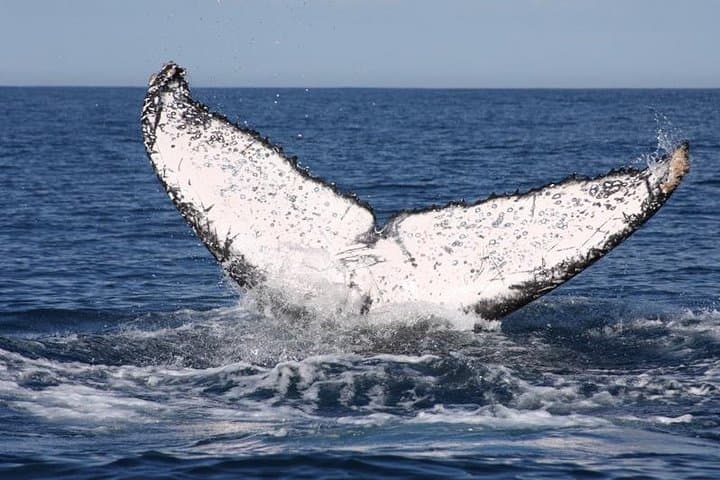
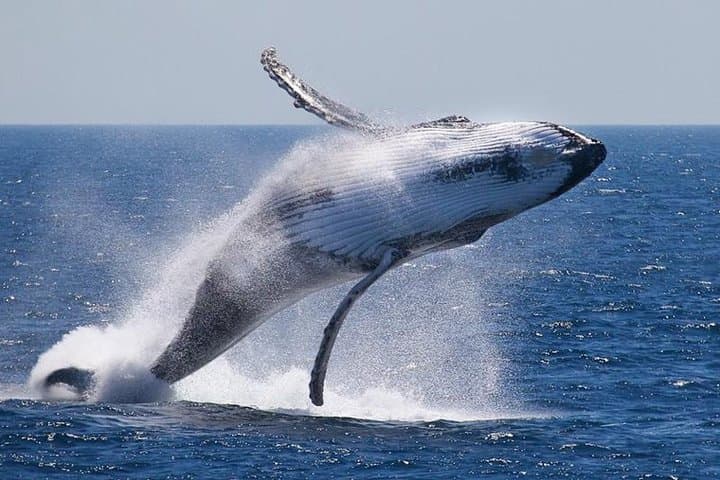
The boat slips free from Cabo San Lucas Harbor and the Pacific wind fills the canopy; salt spray and the distant shout of guides place you within a living migration.
The boat slips free from Cabo San Lucas Harbor and the Pacific wind fills the canopy; salt spray and the distant shout of guides place you within a living migration.
Humpback whales return to Baja’s warm coastal waters each winter from the North Pacific, gathering in protected bays to breed and nurse calves. The Sea of Cortez and the Pacific side around Cape Land’s end form dynamic feeding and calving grounds shaped by tectonic rifts and seasonal upwelling—ocean currents that push nutrients toward the surface and, in turn, draw marine life close to shore.
Locals in Los Cabos have watched these migrations for generations; modern tours combine that local knowledge with marine science, led by bilingual guides who interpret social behaviors and identify individuals by fluke patterns. Every outing is different: a spyhop, a slap, or a long, slow blow that hangs in the air like punctuation.
Practical details: tours depart from Cabo San Lucas Harbor and run about two hours with scheduled morning and afternoon departures. Minimum age is five; children under 18 must be accompanied by an adult. Bring layered clothing, sun protection, and motion-sickness meds if you're susceptible—the sea can shift from glassy calm to choppy in short order. Binoculars and a fast camera help capture surface behavior, but keep phones stowed during bumps.
Expect bilingual guides, light refreshments, and a private-boat format on many departures. Arrive 20–30 minutes early for check-in at the marina, check cancellation windows (24 hours for full refund), and leave time afterward for waterfront restaurants and local seafood markets—whale watching pairs well with a slow, ocean-side meal.