THE ADVENTURE COLLECTIVE® · Independent discovery and booking for outdoor travel

Spend two hours cruising the Sea of Cortez on a glass-bottom boat to see El Arco, sea lions and—in season—humpback whales. Finish with beach time at Lover’s, Pelican or Medano Beach on a family-friendly, customizable outing.
Spend two hours cruising the Sea of Cortez on a glass-bottom boat to see El Arco, sea lions and—in season—humpback whales. Finish with beach time at Lover’s, Pelican or Medano Beach on a family-friendly, customizable outing.
The boat glides out of Cabo’s marina and the Sea of Cortez opens like a bright, moving map—blue water, wind-bent gulls, and a jagged skyline of rock. Within minutes the glass-bottom panels put the ocean under your feet while the captain threads between Pelican Rock, Neptune’s Finger and the dramatic El Arco at Land’s End. Waves dare you to watch closely; on a good day a humpback will surface and simply keep you company for as long as 20 minutes.
Verified experiences and guided adventures in the surrounding area.
Operated by Gregory Tours · Cabo San Lucas, Baja California Sur
The boat glides out of Cabo’s marina and the Sea of Cortez opens like a bright, moving map—blue water, wind-bent gulls, and a jagged skyline of rock. Within minutes the glass-bottom panels put the ocean under your feet while the captain threads between Pelican Rock, Neptune’s Finger and the dramatic El Arco at Land’s End. Waves dare you to watch closely; on a good day a humpback will surface and simply keep you company for as long as 20 minutes.
Geology here is blunt: granite and volcanic outcrops sculpted by millennia of sea and wind, forming the arches and fingers that sailors use as waypoints. Culturally, Cabo grew from a fishing village to a tourism hub—locals still fish and sea lions claim the rocky ledges as territory. The Sea of Cortez, named by Hernán Cortés, is biologically rich; whales come to breed and calve in its warmer winter months.
Practical guidance: tours run about two hours; bring sunscreen, a brimmed hat and a light jacket for sea spray. If you’re prone to motion sickness, take medication beforehand—open decks expose you to swell. The itinerary typically includes up to 20 minutes of focused whale viewing, close passes at El Arco and a beach stop at Lover’s, Pelican or Medano for 20–30 minutes of shore time.
This experience suits families and small groups; it’s accessible for most fitness levels but is not recommended for pregnant travelers or those with spinal issues. Respect marine life—keep noise low, follow crew directions, and leave beaches as you found them. Arrive early at the office next to Cabo Adventures for check-in and to secure prime viewing spots.
easy.
2 hours.
Suitable for most fitness levels — must be able to step on/off a low boat ladder and stand for portions of the cruise.
Humpbacks frequent the Bay of Cabo primarily from December through April, with peak sightings often between January and March.
The meeting point notes stroller accessibility; however vessel boarding may require steps—contact the operator ahead to confirm accommodations.
This listing is offered as a shared tour but can be customized for private groups—confirm private availability and pricing when booking.
Cabo transitioned from a fishing and pearl-diving outpost into a tourist destination in the mid-20th century; its landmarks like El Arco are navigational and cultural markers for mariners.
Operators in the area follow local guidelines to minimize disturbance to whales and sea lions; maintain distance, limit loud noises and avoid throwing debris into the water.
Gregory Tours operates guided outdoor trips and adventures with an emphasis on safety, stewardship, and memorable experiences.
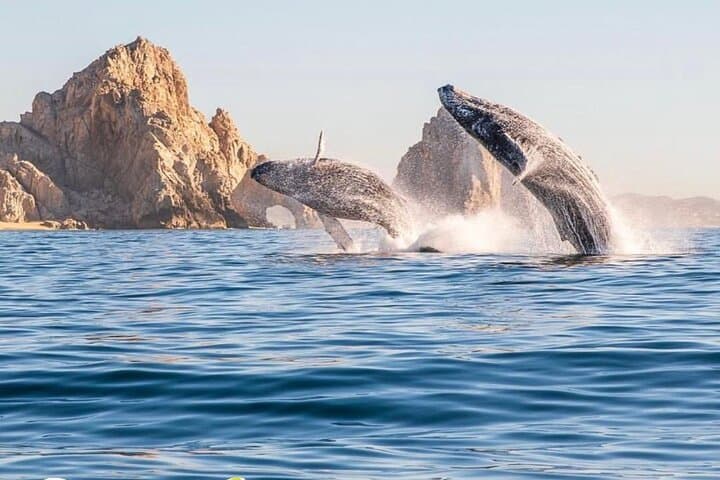
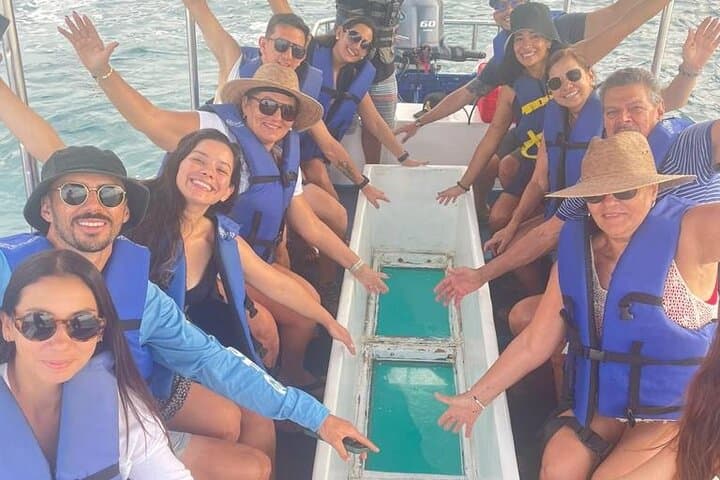
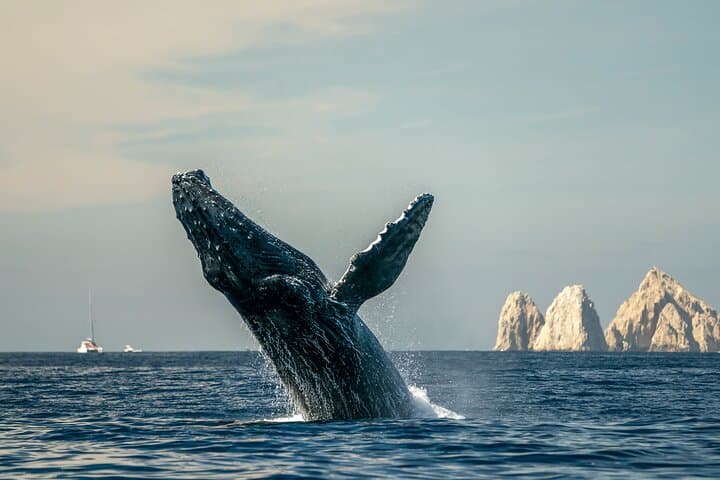
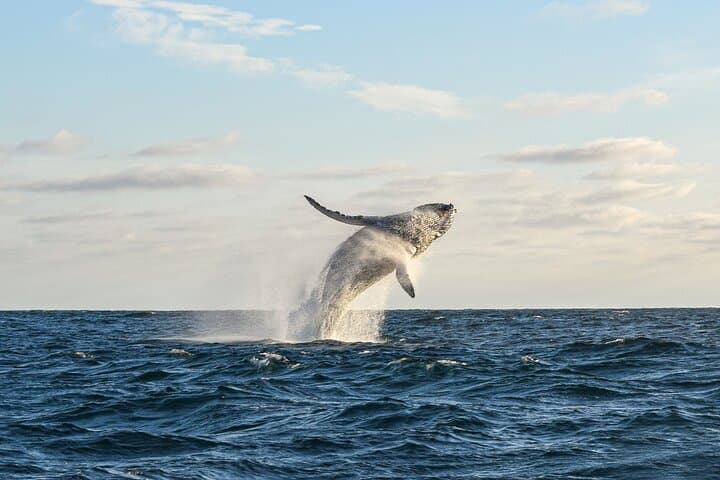
The boat glides out of Cabo’s marina and the Sea of Cortez opens like a bright, moving map—blue water, wind-bent gulls, and a jagged skyline of rock. Within minutes the glass-bottom panels put the ocean under your feet while the captain threads between Pelican Rock, Neptune’s Finger and the dramatic El Arco at Land’s End. Waves dare you to watch closely; on a good day a humpback will surface and simply keep you company for as long as 20 minutes.
The boat glides out of Cabo’s marina and the Sea of Cortez opens like a bright, moving map—blue water, wind-bent gulls, and a jagged skyline of rock. Within minutes the glass-bottom panels put the ocean under your feet while the captain threads between Pelican Rock, Neptune’s Finger and the dramatic El Arco at Land’s End. Waves dare you to watch closely; on a good day a humpback will surface and simply keep you company for as long as 20 minutes.
Geology here is blunt: granite and volcanic outcrops sculpted by millennia of sea and wind, forming the arches and fingers that sailors use as waypoints. Culturally, Cabo grew from a fishing village to a tourism hub—locals still fish and sea lions claim the rocky ledges as territory. The Sea of Cortez, named by Hernán Cortés, is biologically rich; whales come to breed and calve in its warmer winter months.
Practical guidance: tours run about two hours; bring sunscreen, a brimmed hat and a light jacket for sea spray. If you’re prone to motion sickness, take medication beforehand—open decks expose you to swell. The itinerary typically includes up to 20 minutes of focused whale viewing, close passes at El Arco and a beach stop at Lover’s, Pelican or Medano for 20–30 minutes of shore time.
This experience suits families and small groups; it’s accessible for most fitness levels but is not recommended for pregnant travelers or those with spinal issues. Respect marine life—keep noise low, follow crew directions, and leave beaches as you found them. Arrive early at the office next to Cabo Adventures for check-in and to secure prime viewing spots.