THE ADVENTURE COLLECTIVE® · Independent discovery and booking for outdoor travel

Combine humpback whale watching with a guided snorkel on Los Cabos’ reefs in a single morning. Depart early for calmer seas, expect two hours of whale viewing and an hour snorkeling at a protected reef.
Combine humpback whale watching with a guided snorkel on Los Cabos’ reefs in a single morning. Depart early for calmer seas, expect two hours of whale viewing and an hour snorkeling at a protected reef.
The boat slips out of Cabo San Lucas marina just after sunrise, the city shrinking behind low-rise hotels while the Pacific and Sea of Cortez meet in a bright, moving seam. Air tastes of salt and diesel; the horizon is a hard line where blows and breaches suddenly puncture the calm. Guides scan and point — a fluke, a pectoral slap — and the raw power of humpbacks announces itself with sound and spray.
Verified experiences and guided adventures in the surrounding area.
Operated by Cabo Private Guide · Cabo San Lucas, Baja California Sur
The boat slips out of Cabo San Lucas marina just after sunrise, the city shrinking behind low-rise hotels while the Pacific and Sea of Cortez meet in a bright, moving seam. Air tastes of salt and diesel; the horizon is a hard line where blows and breaches suddenly puncture the calm. Guides scan and point — a fluke, a pectoral slap — and the raw power of humpbacks announces itself with sound and spray.
This combo pairs seasonal humpback migration viewing with a guided snorkel over rocky reefs that form where Baja’s volcanic spine meets the sea. Los Cabos sits at the southern tip of the Baja California Peninsula, where tectonic uplift and basalt flows created steep coastal shelves and protected coves that concentrate marine life. Local fishers and guides have long depended on these waters; today conservation zones and seasonal permits shape how tours operate.
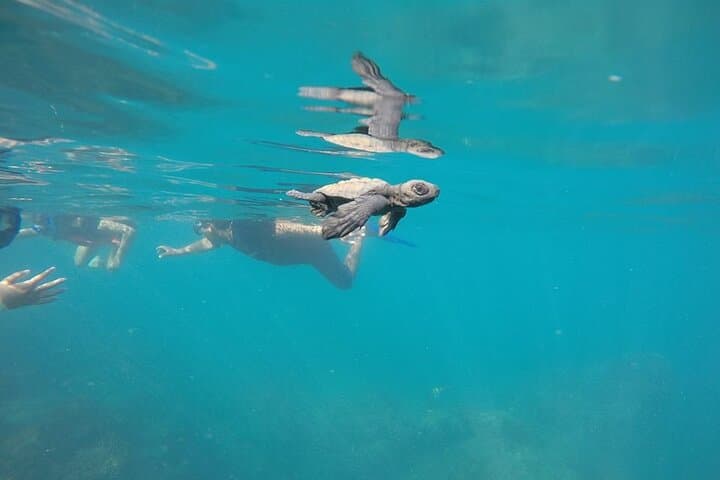
Expect a two-hour search for whales in relatively calm offshore waters followed by a one-hour snorkel at a sheltered reef. Water temperatures can be cool in winter and early spring; wetsuits are usually provided. Guides will shoot photos and point out species while keeping distance from whales.
Practical notes: book the earliest slot for best light and calmer seas, bring a reusable water bottle and reef-safe sunscreen, and wear a suit under quick-dry layers for an easy transition from boat to water. Even on shared departures, boats are small enough to feel private and large enough to be stable. This morning trip compresses two of Baja’s marine highlights into a single, efficient outing—high on wildlife and low on fuss.
moderate.
3 hours.
Moderately fit — able to climb in/out of a small boat and snorkel for about 30–45 minutes; basic swimming ability required.
Peak whale season runs roughly December through April, with January–March often the most active for breaches and surface behaviors.
Yes — most operators include shorty wetsuits or wetsuit tops for colder months; bring your own if you prefer a personal fit.
Yes — the tour works for families and beginners; children should be comfortable in the water and adhered to operator age/weight policies.
Operators typically cancel for safety in rough seas and offer refunds or rescheduling; check the 24-hour cancellation policy when booking.
Cabo’s marine corridor has supported fishing communities for centuries; the modern whale-watching industry grew with conservation awareness in the late 20th century.
Tours operate with seasonal awareness and many guides follow distance rules and use wetsuit and gear cleaning protocols to reduce contact and invasive species transfer.
Cabo Private Guide operates guided outdoor trips and adventures with an emphasis on safety, stewardship, and memorable experiences.
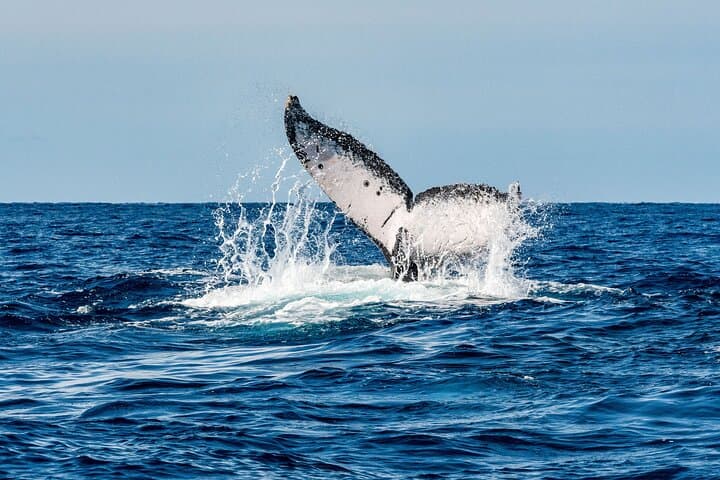
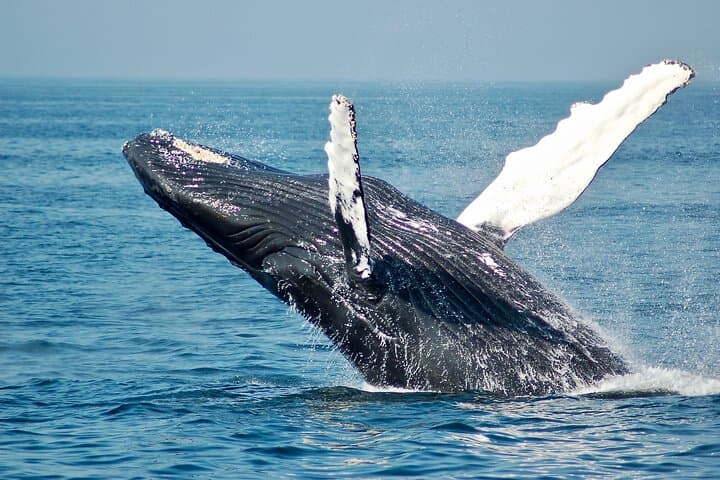
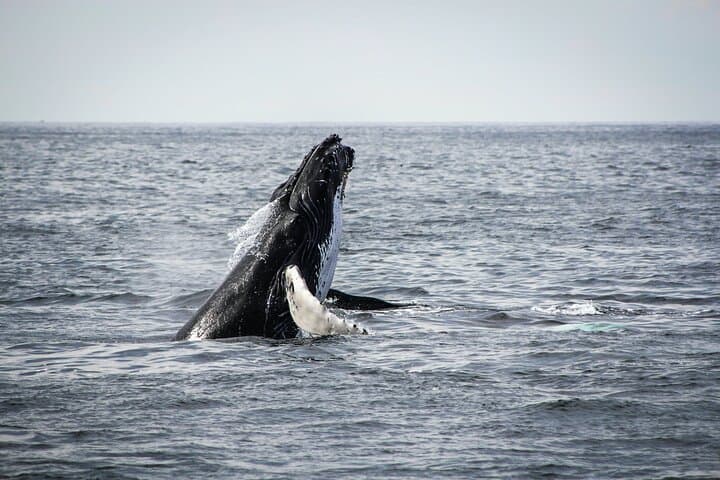
The boat slips out of Cabo San Lucas marina just after sunrise, the city shrinking behind low-rise hotels while the Pacific and Sea of Cortez meet in a bright, moving seam. Air tastes of salt and diesel; the horizon is a hard line where blows and breaches suddenly puncture the calm. Guides scan and point — a fluke, a pectoral slap — and the raw power of humpbacks announces itself with sound and spray.
The boat slips out of Cabo San Lucas marina just after sunrise, the city shrinking behind low-rise hotels while the Pacific and Sea of Cortez meet in a bright, moving seam. Air tastes of salt and diesel; the horizon is a hard line where blows and breaches suddenly puncture the calm. Guides scan and point — a fluke, a pectoral slap — and the raw power of humpbacks announces itself with sound and spray.
This combo pairs seasonal humpback migration viewing with a guided snorkel over rocky reefs that form where Baja’s volcanic spine meets the sea. Los Cabos sits at the southern tip of the Baja California Peninsula, where tectonic uplift and basalt flows created steep coastal shelves and protected coves that concentrate marine life. Local fishers and guides have long depended on these waters; today conservation zones and seasonal permits shape how tours operate.
Expect a two-hour search for whales in relatively calm offshore waters followed by a one-hour snorkel at a sheltered reef. Water temperatures can be cool in winter and early spring; wetsuits are usually provided. Guides will shoot photos and point out species while keeping distance from whales.
Practical notes: book the earliest slot for best light and calmer seas, bring a reusable water bottle and reef-safe sunscreen, and wear a suit under quick-dry layers for an easy transition from boat to water. Even on shared departures, boats are small enough to feel private and large enough to be stable. This morning trip compresses two of Baja’s marine highlights into a single, efficient outing—high on wildlife and low on fuss.