THE ADVENTURE COLLECTIVE® · Independent discovery and booking for outdoor travel

Head out from Cabo San Lucas for a two-hour whale-watching cruise that pairs hydrophone listening with close visual encounters. Learn about the whales’ migration and what makes Baja’s waters a seasonal nursery.
Head out from Cabo San Lucas for a two-hour whale-watching cruise that pairs hydrophone listening with close visual encounters. Learn about the whales’ migration and what makes Baja’s waters a seasonal nursery.
Salt air bites at dawn as the marina slips behind you and the Pacific opens—wide, dark, and alive. The boat hums out past the fingered rocks of Land's End, where currents push and clear water drops away toward open ocean. Soon the surface breaks: a flank, a blow, a tail that flicks like punctuation. Hydrophones lower into the water carry whale song up through the hull, turning distant calls into a pressing presence.
Verified experiences and guided adventures in the surrounding area.
Operated by CalypsoTrip · Cabo San Lucas, Baja California Sur
Salt air bites at dawn as the marina slips behind you and the Pacific opens—wide, dark, and alive. The boat hums out past the fingered rocks of Land's End, where currents push and clear water drops away toward open ocean. Soon the surface breaks: a flank, a blow, a tail that flicks like punctuation. Hydrophones lower into the water carry whale song up through the hull, turning distant calls into a pressing presence.
The Baja California peninsula is a geological knife-edge—an uplifted rift where the Pacific and the Gulf of California negotiate coastal shelves and steep drop-offs. Those features funnel migrating gray, humpback and blue whales into warm nursery waters each winter and spring, a behavior that has long shaped local fishing villages and now supports sustainable wildlife tourism.
Cultural echoes from the nearby towns—fishermen’s cuisine, artisanal markets, and tales of seasonal migration—frame the day. Guides explain how boats keep respectful distances and how hydrophones inform, not disturb. Expect educational narration about identification, behavior and the ecosystem forces behind migration.
Practically: tours run about two hours from Cabo’s marinas, best during peak migration (roughly December–April), and can operate in light chop. Wear layered clothing, sun protection, and non-slip shoes. Bring binoculars, motion-sickness prevention if you’re prone, and cash for gratuities or souvenirs. Operators provide bottled water and light refreshments.
On a calm day a whale’s exhale sounds like a punctuation mark; on a busy day pods of dolphins hitch the bow wake, daring you to keep pace. The trip balances close-view excitement with a quiet respect for animals that return here year after year.
easy.
2 hours.
Basic mobility required; able to board a small vessel and stand on deck for periods
Peak season is generally December through April when gray, humpback and blue whales migrate to Baja’s warmer waters to calve and nurse.
Regulations and operator policies require maintaining respectful distances—boats approach cautiously and stop if a whale shows signs of disturbance; exact distance varies by behavior and species.
Yes—these are observation cruises from deck; children can participate if supervised. Life jackets are available but swimming is not required.
Most operators offer a full refund or rebooking if a departure is canceled due to unsafe conditions; check the provider’s cancellation policy and reconfirm before travel.
Whale migration has long influenced Baja coastal communities: historic artisan fisheries shifted toward regulated wildlife tourism after protections reduced commercial whaling in the 20th century.
Operators follow Mexican guidelines to minimize disturbance—keep engine noise low, hold position rather than chase, and use hydrophones to monitor whales without physical intrusion.
CalypsoTrip operates guided outdoor trips and adventures with an emphasis on safety, stewardship, and memorable experiences.
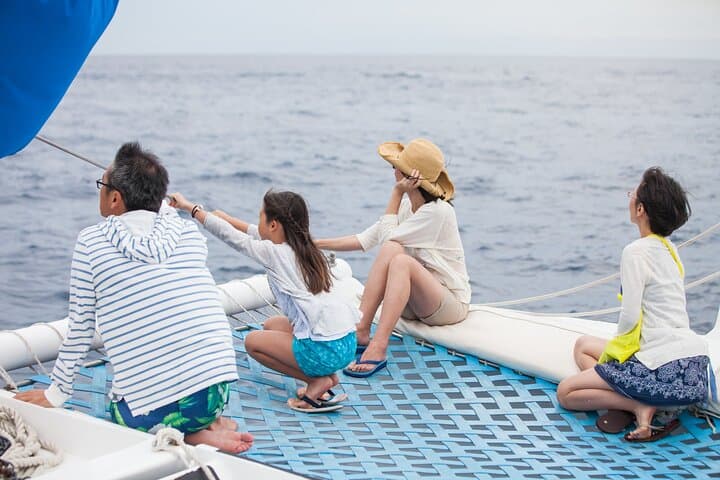
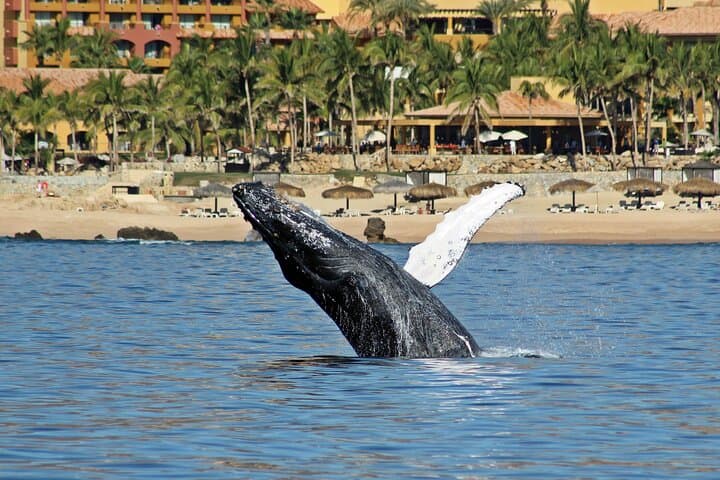


Salt air bites at dawn as the marina slips behind you and the Pacific opens—wide, dark, and alive. The boat hums out past the fingered rocks of Land's End, where currents push and clear water drops away toward open ocean. Soon the surface breaks: a flank, a blow, a tail that flicks like punctuation. Hydrophones lower into the water carry whale song up through the hull, turning distant calls into a pressing presence.
Salt air bites at dawn as the marina slips behind you and the Pacific opens—wide, dark, and alive. The boat hums out past the fingered rocks of Land's End, where currents push and clear water drops away toward open ocean. Soon the surface breaks: a flank, a blow, a tail that flicks like punctuation. Hydrophones lower into the water carry whale song up through the hull, turning distant calls into a pressing presence.
The Baja California peninsula is a geological knife-edge—an uplifted rift where the Pacific and the Gulf of California negotiate coastal shelves and steep drop-offs. Those features funnel migrating gray, humpback and blue whales into warm nursery waters each winter and spring, a behavior that has long shaped local fishing villages and now supports sustainable wildlife tourism.
Cultural echoes from the nearby towns—fishermen’s cuisine, artisanal markets, and tales of seasonal migration—frame the day. Guides explain how boats keep respectful distances and how hydrophones inform, not disturb. Expect educational narration about identification, behavior and the ecosystem forces behind migration.
Practically: tours run about two hours from Cabo’s marinas, best during peak migration (roughly December–April), and can operate in light chop. Wear layered clothing, sun protection, and non-slip shoes. Bring binoculars, motion-sickness prevention if you’re prone, and cash for gratuities or souvenirs. Operators provide bottled water and light refreshments.
On a calm day a whale’s exhale sounds like a punctuation mark; on a busy day pods of dolphins hitch the bow wake, daring you to keep pace. The trip balances close-view excitement with a quiet respect for animals that return here year after year.