THE ADVENTURE COLLECTIVE® · Independent discovery and booking for outdoor travel

Board a three-level vessel from Cabo San Lucas and head to El Arco during the prime December–March migration. Expect close whale encounters, informative bilingual guides, breakfast and open bar, and dramatic views of the Baja coastline.
Board a three-level vessel from Cabo San Lucas and head to El Arco during the prime December–March migration. Expect close whale encounters, informative bilingual guides, breakfast and open bar, and dramatic views of the Baja coastline.
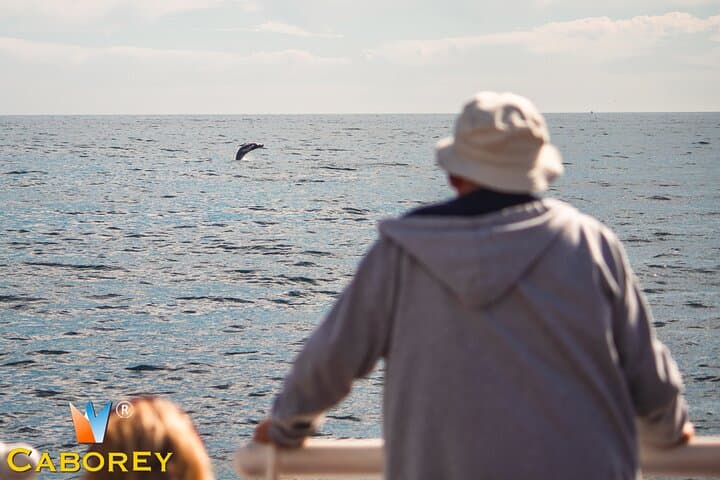
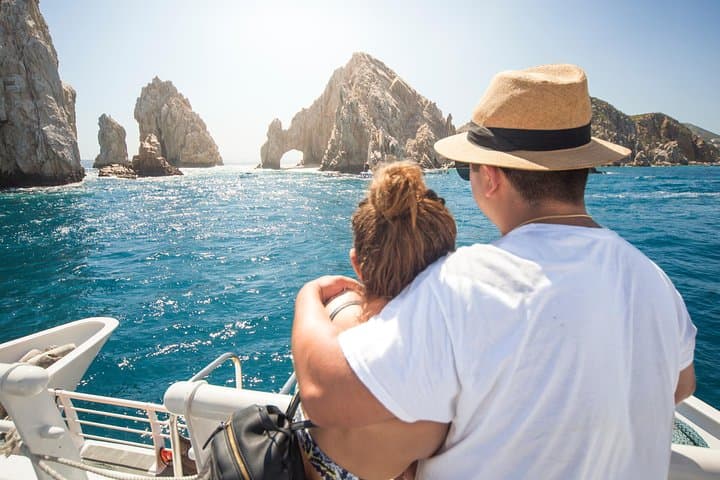
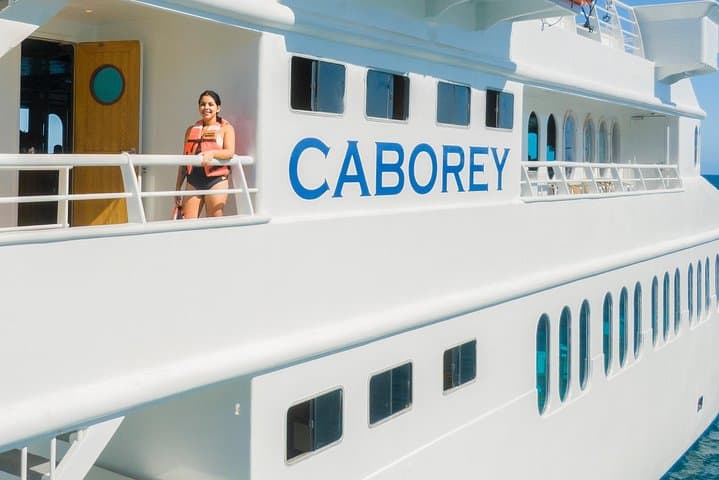
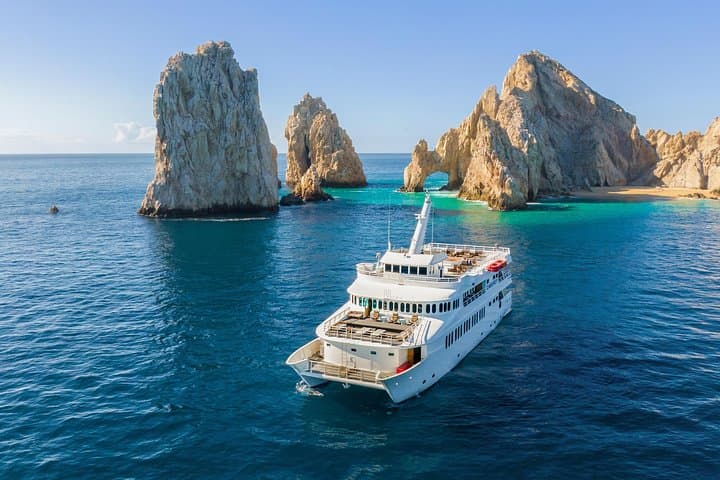
You step aboard a three-level vessel at Cabo San Lucas marina as a cold wash of sea air pushes past the rail; the city falls behind and the Pacific opens, the boat slicing toward the famous El Arco. Deckhands point, cameras lift, and the bay feels alive with motion — gulls wheel, currents tug, and somewhere beyond the arch the whales are moving through the blue.
Verified experiences and guided adventures in the surrounding area.
Operated by Caborey · Cabo San Lucas, Baja California Sur
You step aboard a three-level vessel at Cabo San Lucas marina as a cold wash of sea air pushes past the rail; the city falls behind and the Pacific opens, the boat slicing toward the famous El Arco. Deckhands point, cameras lift, and the bay feels alive with motion — gulls wheel, currents tug, and somewhere beyond the arch the whales are moving through the blue.
The Baja California peninsula is geologically young: exposed granite and volcanic outcrops sculpted by tides and wind form the shipping lanes that lead to Land's End. Historically the waters off Cabo have drawn mariners and fishermen for centuries; today they host a seasonal migration pathway for gray and humpback whales that arrive in warmer Baja seas each winter to breed and calve.
Expect close but respectful viewing: boats follow regulated approaches while guides narrate whale behavior and local lore. The tour’s itinerary skims the tip coast, passes iconic rock formations like El Arco, and moves where sightings are most likely.
Practical guidance: this tour runs December–March, lasts roughly two hours, and includes an all-you-can-eat breakfast and open bar onboard. Bring binoculars, a camera with a fast shutter, sun protection, and a light windbreaker for spray and cooler mornings. Arrive early — check-in starts 60 minutes before departure at the marina — and pick a mid-deck or upper viewing spot for the best angles. Motion can be strong; if you’re prone to seasickness, pre-medicate. Operators emphasize wildlife-friendly viewing: keep noise low and follow crew directions so the whales stay the protagonists of the day.
easy.
2 hours.
Suitable for most fitness levels; requires ability to board a vessel and stand on deck for sightseeing
Peak season is December through March when gray and humpback whales migrate to Baja’s warmer waters; sightings are most likely then.
The tour is approximately two hours and typically includes an all-you-can-eat breakfast, non-alcoholic beverages, and an open bar, plus a bilingual guide.
Yes — the operator lists wheelchair accessibility and can accommodate special requirements if arranged in advance.
While sightings can’t be guaranteed, winter migration months yield high probabilities; crew adjust routes to maximize encounter opportunities while observing wildlife regulations.
The waters off Cabo have long been a meeting ground for marine life and humans; the granite stacks at Land’s End were formed by tectonic uplift and wave erosion.
Operators follow no-approach and distance guidelines during migration season; support licensed tours and avoid feeding or harassing wildlife to reduce disturbance.
Caborey operates guided outdoor trips and adventures with an emphasis on safety, stewardship, and memorable experiences.
You step aboard a three-level vessel at Cabo San Lucas marina as a cold wash of sea air pushes past the rail; the city falls behind and the Pacific opens, the boat slicing toward the famous El Arco. Deckhands point, cameras lift, and the bay feels alive with motion — gulls wheel, currents tug, and somewhere beyond the arch the whales are moving through the blue.
You step aboard a three-level vessel at Cabo San Lucas marina as a cold wash of sea air pushes past the rail; the city falls behind and the Pacific opens, the boat slicing toward the famous El Arco. Deckhands point, cameras lift, and the bay feels alive with motion — gulls wheel, currents tug, and somewhere beyond the arch the whales are moving through the blue.
The Baja California peninsula is geologically young: exposed granite and volcanic outcrops sculpted by tides and wind form the shipping lanes that lead to Land's End. Historically the waters off Cabo have drawn mariners and fishermen for centuries; today they host a seasonal migration pathway for gray and humpback whales that arrive in warmer Baja seas each winter to breed and calve.
Expect close but respectful viewing: boats follow regulated approaches while guides narrate whale behavior and local lore. The tour’s itinerary skims the tip coast, passes iconic rock formations like El Arco, and moves where sightings are most likely.
Practical guidance: this tour runs December–March, lasts roughly two hours, and includes an all-you-can-eat breakfast and open bar onboard. Bring binoculars, a camera with a fast shutter, sun protection, and a light windbreaker for spray and cooler mornings. Arrive early — check-in starts 60 minutes before departure at the marina — and pick a mid-deck or upper viewing spot for the best angles. Motion can be strong; if you’re prone to seasickness, pre-medicate. Operators emphasize wildlife-friendly viewing: keep noise low and follow crew directions so the whales stay the protagonists of the day.