THE ADVENTURE COLLECTIVE® · Independent discovery and booking for outdoor travel

Join Rancho Carisuva for a guided turtle release on Cabo’s Pacific shore—adopt a hatchling, learn from a marine biologist, and walk the sand as tiny turtles make their first run to the sea. This 4-hour program blends conservation action with local culture.
Join Rancho Carisuva for a guided turtle release on Cabo’s Pacific shore—adopt a hatchling, learn from a marine biologist, and walk the sand as tiny turtles make their first run to the sea. This 4-hour program blends conservation action with local culture.
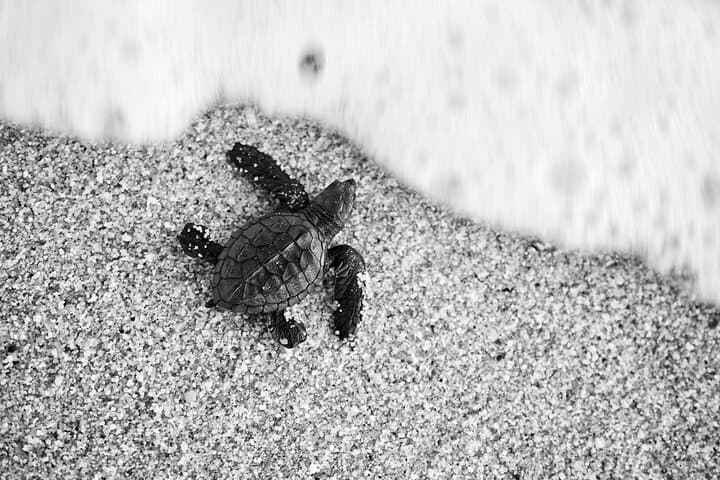
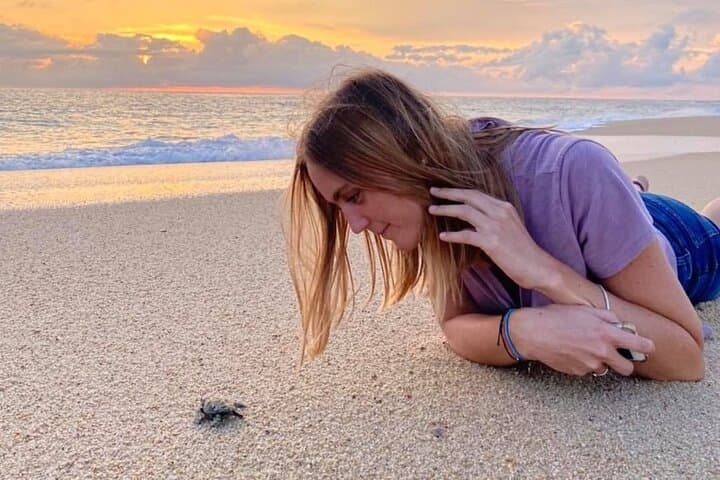
Dawn breaks over the Pacific and the sand is cool beneath your boots as a line of tiny flippers scrabble toward the surf. At Rancho Carisuva the sea seems to pull every hatchling forward, the current daring them onward as a marine biologist watches and guides the procession into open water.
Verified experiences and guided adventures in the surrounding area.
Operated by Rancho Carisuva · Cabo San Lucas, Baja California Sur
Dawn breaks over the Pacific and the sand is cool beneath your boots as a line of tiny flippers scrabble toward the surf. At Rancho Carisuva the sea seems to pull every hatchling forward, the current daring them onward as a marine biologist watches and guides the procession into open water.
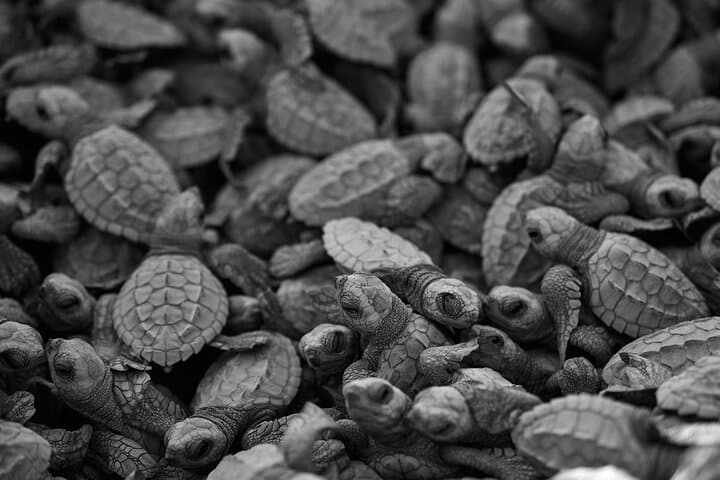
The east–west faulted coast of Baja California Sur shapes these beaches: coarse volcanic sand and pebbled ridges that hold nests above the high-tide line. From July through September Olive Ridley and occasionally Black turtles crawl ashore to lay eggs; about 45 days later hatchlings emerge and volunteers help increase survival by guiding them past predators and human impacts.
This is both a wildlife encounter and a conservation classroom. The ranch pairs a hands-on release with interpretation about nesting biology, local fisheries history, and the socioeconomic role of community-led protection. Nearby, a donkey sanctuary adds a layer of local culture—small-scale stewards who sustain both livelihoods and habitat.
Practical guidance: tours run about four hours and are suitable for nearly all fitness levels. Expect short walks on uneven sand, low light conditions, and strict rules—no flash, no bright screens, and keep distance unless instructed. Bring sun protection, reusable water, and closed-toe shoes for rocky sections. Photography is usually allowed but follow the guide’s directions to avoid disturbing animals.
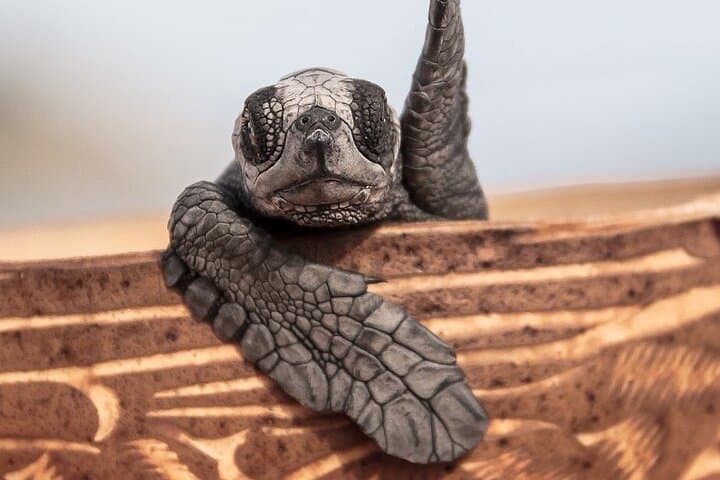
If you want to contribute directly, adoption programs let you sponsor a hatchling; proceeds support nest protection and education. Visit in the summer nesting season for the highest chance of witnessing releases, and arrive early to avoid heat and crowds.
easy.
3–4 hours.
Suitable for most activity levels—short walks on sand and flat ranch paths; minimal elevation change.
Nesting occurs July–September and hatchlings appear roughly 45 days after eggs are laid, so peak release activity is typically late summer into early fall—timing varies with each nest.
Yes—tours are family-friendly and suitable for most ages; children should follow guide instructions and avoid touching hatchlings unless directed.
Photography is generally allowed but flash and bright screens are prohibited; always follow the marine biologist’s direction to avoid disturbing animals.
Adoption is a sponsorship: funds support nest protection, veterinary care, and education, and you typically receive a certificate and updates about conservation outcomes.
Local fishing communities have long interacted with sea turtles; recent decades saw community-based programs emerge to protect nesting sites and rebuild populations.
The program increases hatchling survival through nest relocation, predator management, and education; visitors help fund and support these low-impact measures.
Rancho Carisuva operates guided outdoor trips and adventures with an emphasis on safety, stewardship, and memorable experiences.
Dawn breaks over the Pacific and the sand is cool beneath your boots as a line of tiny flippers scrabble toward the surf. At Rancho Carisuva the sea seems to pull every hatchling forward, the current daring them onward as a marine biologist watches and guides the procession into open water.
Dawn breaks over the Pacific and the sand is cool beneath your boots as a line of tiny flippers scrabble toward the surf. At Rancho Carisuva the sea seems to pull every hatchling forward, the current daring them onward as a marine biologist watches and guides the procession into open water.
The east–west faulted coast of Baja California Sur shapes these beaches: coarse volcanic sand and pebbled ridges that hold nests above the high-tide line. From July through September Olive Ridley and occasionally Black turtles crawl ashore to lay eggs; about 45 days later hatchlings emerge and volunteers help increase survival by guiding them past predators and human impacts.
This is both a wildlife encounter and a conservation classroom. The ranch pairs a hands-on release with interpretation about nesting biology, local fisheries history, and the socioeconomic role of community-led protection. Nearby, a donkey sanctuary adds a layer of local culture—small-scale stewards who sustain both livelihoods and habitat.
Practical guidance: tours run about four hours and are suitable for nearly all fitness levels. Expect short walks on uneven sand, low light conditions, and strict rules—no flash, no bright screens, and keep distance unless instructed. Bring sun protection, reusable water, and closed-toe shoes for rocky sections. Photography is usually allowed but follow the guide’s directions to avoid disturbing animals.
If you want to contribute directly, adoption programs let you sponsor a hatchling; proceeds support nest protection and education. Visit in the summer nesting season for the highest chance of witnessing releases, and arrive early to avoid heat and crowds.