THE ADVENTURE COLLECTIVE® · Independent discovery and booking for outdoor travel

Board a special whale-watching vessel from Cabo San Lucas and listen to whale song through hydrophones while marine biologists point out humpback behavior and local marine life. This 2.5-hour tour pairs close viewing with responsible practices and photographic opportunities.
Board a special whale-watching vessel from Cabo San Lucas and listen to whale song through hydrophones while marine biologists point out humpback behavior and local marine life. This 2.5-hour tour pairs close viewing with responsible practices and photographic opportunities.
The boat eases away from Cabo San Lucas Marina, salt wind in your face and the skyline of low granite spires receding. Guides scan the horizon; a spout and a curving back break the surface, and through submerged hydrophones a low, melodic series of pulses travels up into the cabin — whale song translated into something you can actually hear.
Verified experiences and guided adventures in the surrounding area.
Operated by Best Cabo Tours, LLC · Cabo San Lucas, Baja California Sur
The boat eases away from Cabo San Lucas Marina, salt wind in your face and the skyline of low granite spires receding. Guides scan the horizon; a spout and a curving back break the surface, and through submerged hydrophones a low, melodic series of pulses travels up into the cabin — whale song translated into something you can actually hear.
Los Cabos sits where the Sea of Cortez meets the Pacific, a collision of currents that concentrates nutrients and draws migratory whales each winter. The rocky promontory at Land’s End and nearby sea caves are carved from layered volcanic and sedimentary rock, proof of the region’s active geologic past. Local fishery history and modern conservation efforts — including Mexican rescue networks like RABEN — shape how tours operate here: respectful distances, slow approaches and education by marine biologists.
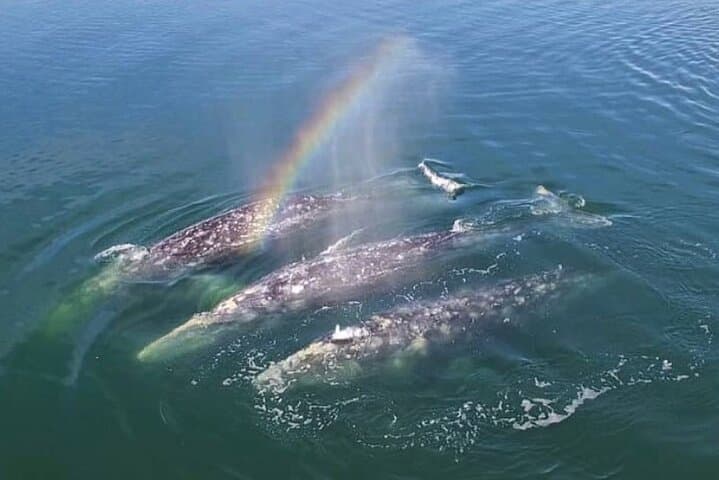
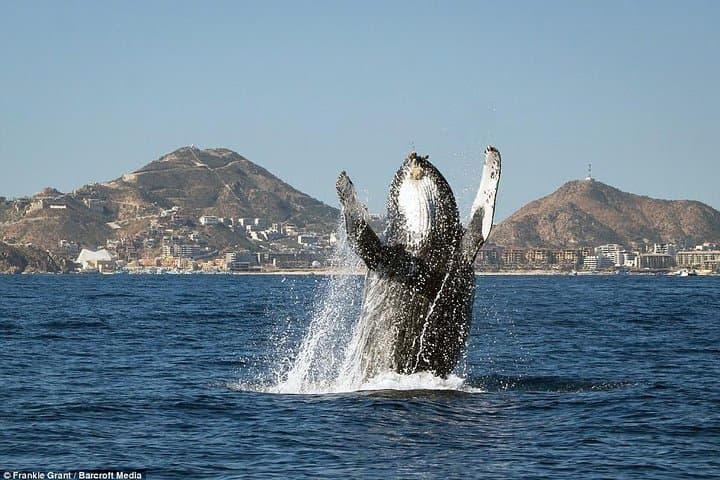
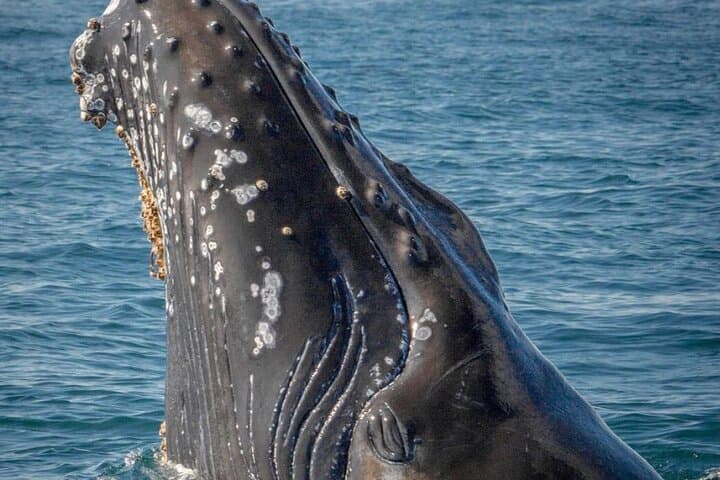
Expect a 2.5-hour cruise that may pass Pelican Rock, the sea lion colony, and Lover’s Beach before heading to open water where humpbacks and occasionally gray whales or dolphins feed and socialize. Hydrophones let you hear social calls; naturalists explain behavior and migration timing.
Plan practicalities: arrive early to the private dock, bring sun protection and a waterproof phone pouch, and consider motion-sickness prevention if you’re sensitive. Photography opportunities are abundant but keep lenses ready — many encounters last only minutes. This outing balances spectacle and stewardship: close enough to be moved, far enough to keep whales wild.
easy.
2–3 hours.
Minimal fitness required — able to step on/off a small boat and stand for short periods; suitable for most travelers.
Sightings are highly likely during the peak season (December–April) but not guaranteed; operators monitor whale activity and will take you to the best local spots.
Hydrophones detect underwater sound when whales are vocalizing; you’ll hear calls when whales are communicating, which varies by encounter.
The tour notes wheelchair accessibility and a private dock; inform the operator of any mobility needs in advance so staff can assist with boarding.
Common sightings include dolphins, sea lions at colonies near Land’s End, various seabirds such as pelicans, and sometimes manta rays.
The waters off Los Cabos have long supported local fisheries; modern whale research and rescue groups like RABEN work with guides to monitor populations and respond to entanglements.
Operators adhere to permitted viewing distances and support local conservation efforts; visitor behavior that avoids chasing or crowding whales reduces stress on animals.
Best Cabo Tours, LLC operates guided outdoor trips and adventures with an emphasis on safety, stewardship, and memorable experiences.
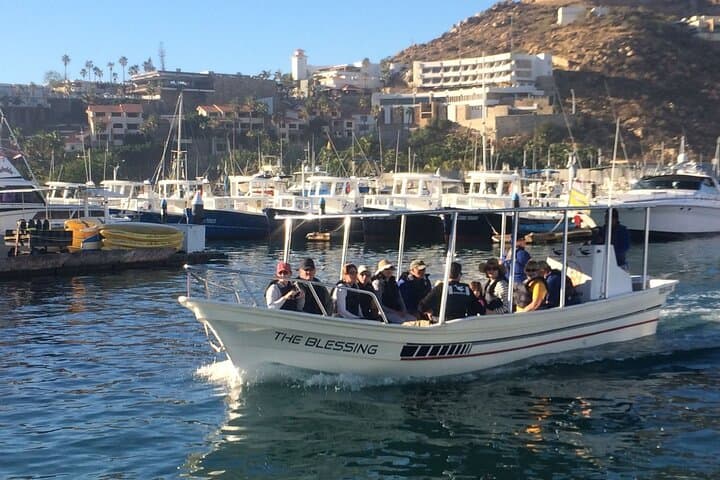
The boat eases away from Cabo San Lucas Marina, salt wind in your face and the skyline of low granite spires receding. Guides scan the horizon; a spout and a curving back break the surface, and through submerged hydrophones a low, melodic series of pulses travels up into the cabin — whale song translated into something you can actually hear.
The boat eases away from Cabo San Lucas Marina, salt wind in your face and the skyline of low granite spires receding. Guides scan the horizon; a spout and a curving back break the surface, and through submerged hydrophones a low, melodic series of pulses travels up into the cabin — whale song translated into something you can actually hear.
Los Cabos sits where the Sea of Cortez meets the Pacific, a collision of currents that concentrates nutrients and draws migratory whales each winter. The rocky promontory at Land’s End and nearby sea caves are carved from layered volcanic and sedimentary rock, proof of the region’s active geologic past. Local fishery history and modern conservation efforts — including Mexican rescue networks like RABEN — shape how tours operate here: respectful distances, slow approaches and education by marine biologists.
Expect a 2.5-hour cruise that may pass Pelican Rock, the sea lion colony, and Lover’s Beach before heading to open water where humpbacks and occasionally gray whales or dolphins feed and socialize. Hydrophones let you hear social calls; naturalists explain behavior and migration timing.
Plan practicalities: arrive early to the private dock, bring sun protection and a waterproof phone pouch, and consider motion-sickness prevention if you’re sensitive. Photography opportunities are abundant but keep lenses ready — many encounters last only minutes. This outing balances spectacle and stewardship: close enough to be moved, far enough to keep whales wild.