THE ADVENTURE COLLECTIVE® · Independent discovery and booking for outdoor travel

Head out from Pier C into the open water off Cabo San Lucas to watch humpbacks breach, calves play and dolphins escort the boat. This 2.5-hour tour balances intimate viewing with practical safety and local knowledge.
Head out from Pier C into the open water off Cabo San Lucas to watch humpbacks breach, calves play and dolphins escort the boat. This 2.5-hour tour balances intimate viewing with practical safety and local knowledge.
The boat slips free from Pier C and the marina’s voices thin into wind. The Pacific and the Sea of Cortez trade currents here, and within twenty minutes the skyline of downtown gives way to open water where spouts puncture the surface and massive backs roll like slow waves.
Verified experiences and guided adventures in the surrounding area.
Operated by Mako Sea Wildlife Safari - Whale Watching · Cabo San Lucas, Baja California Sur
The boat slips free from Pier C and the marina’s voices thin into wind. The Pacific and the Sea of Cortez trade currents here, and within twenty minutes the skyline of downtown gives way to open water where spouts puncture the surface and massive backs roll like slow waves.
Baja California Sur draws humpback whales each winter to breed and nurse in these warmer coastal waters. Geologically, the meeting of tectonic edges carved the dramatic headlands at Land’s End and the famous El Arco, where rock and swell shape a raw coastline that sea birds and marine mammals favor. The local fishing and maritime culture has long balanced tourism with respect for cetaceans; small operators in Cabo emphasize approach-distance rules and quiet observation.
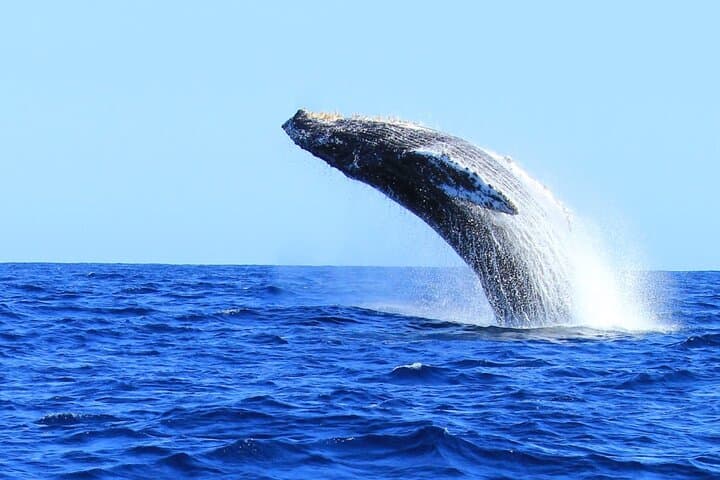
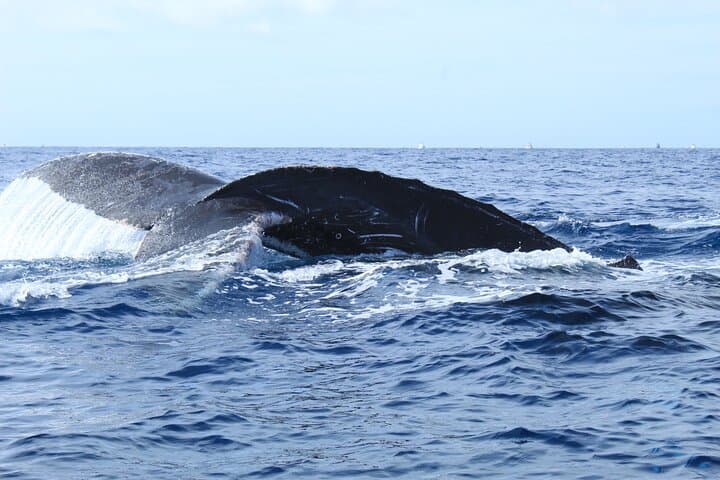
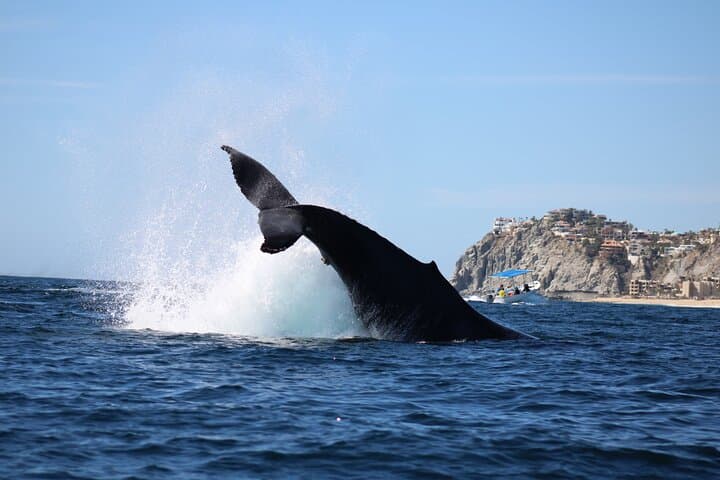
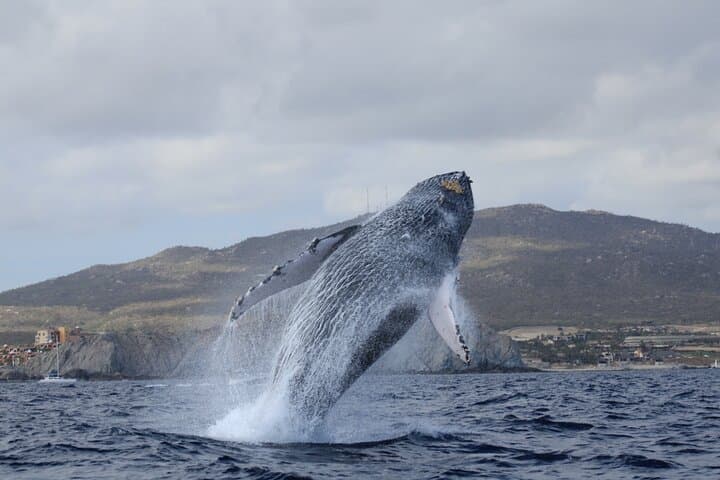
Expect to watch breaches, tail slaps and mothers nudging calves—behavior that tells stories of migration and survival. Guides often point out dolphins cavorting ahead of the bow and green sea turtles resting near kelp patches. The ocean here can be playful and blunt: currents pull, swells roll, and weather shifts quickly.
Practical guidance: book morning departures when winds are lighter and whales are active; bring layered clothing because mornings are cool and afternoons warm; carry seasickness medication if you’re prone to motion sensitivity. Cameras with fast shutter speeds or a small telephoto lens capture action; binoculars extend close-up viewing when animals keep distance. Operators usually provide bottled water; confirm group size and whale-approach protocols beforehand. With a respectful approach and basic prep, a 2.5-hour outing in Cabo becomes a visceral encounter with some of the ocean’s largest storytellers.
easy.
2–2.5 hours.
Light activity; passengers should be able to board a small boat and stand for short periods
The standard outing lasts approximately 2.5 hours from boarding to return to the marina.
Sightings are seasonal and frequent in winter months, but wildlife is never guaranteed; operators choose routes to maximize chances.
Yes—tours are rated easy; infants should sit on laps and those with spinal or heart conditions should consult a doctor before booking.
Operators typically provide bottled water; bring light snacks if you prefer but avoid heavy meals before sailing if prone to motion sickness.
Cabo’s marine corridors have been used for centuries by indigenous peoples and later commercial fishermen; whale migrations drew scientific interest and conservation efforts through the 20th century.
Operators in the region follow Mexican regulations and best practices to minimize disturbance—choose companies that keep safe distances and limit time near animals.
Mako Sea Wildlife Safari - Whale Watching operates guided outdoor trips and adventures with an emphasis on safety, stewardship, and memorable experiences.
The boat slips free from Pier C and the marina’s voices thin into wind. The Pacific and the Sea of Cortez trade currents here, and within twenty minutes the skyline of downtown gives way to open water where spouts puncture the surface and massive backs roll like slow waves.
The boat slips free from Pier C and the marina’s voices thin into wind. The Pacific and the Sea of Cortez trade currents here, and within twenty minutes the skyline of downtown gives way to open water where spouts puncture the surface and massive backs roll like slow waves.
Baja California Sur draws humpback whales each winter to breed and nurse in these warmer coastal waters. Geologically, the meeting of tectonic edges carved the dramatic headlands at Land’s End and the famous El Arco, where rock and swell shape a raw coastline that sea birds and marine mammals favor. The local fishing and maritime culture has long balanced tourism with respect for cetaceans; small operators in Cabo emphasize approach-distance rules and quiet observation.
Expect to watch breaches, tail slaps and mothers nudging calves—behavior that tells stories of migration and survival. Guides often point out dolphins cavorting ahead of the bow and green sea turtles resting near kelp patches. The ocean here can be playful and blunt: currents pull, swells roll, and weather shifts quickly.
Practical guidance: book morning departures when winds are lighter and whales are active; bring layered clothing because mornings are cool and afternoons warm; carry seasickness medication if you’re prone to motion sensitivity. Cameras with fast shutter speeds or a small telephoto lens capture action; binoculars extend close-up viewing when animals keep distance. Operators usually provide bottled water; confirm group size and whale-approach protocols beforehand. With a respectful approach and basic prep, a 2.5-hour outing in Cabo becomes a visceral encounter with some of the ocean’s largest storytellers.