THE ADVENTURE COLLECTIVE® · Independent discovery and booking for outdoor travel

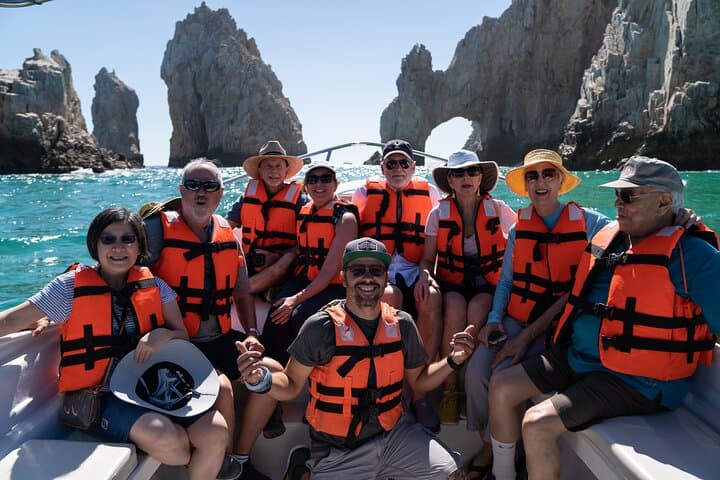
Board a comfortable boat from the Cabo marina for a 2.5‑hour whale‑watching cruise that includes photos, onboard snacks, and bilingual guides. Cruise past El Arco and the sea lion colony before searching for humpbacks, dolphins, and turtles in protected waters.
Board a comfortable boat from the Cabo marina for a 2.5‑hour whale‑watching cruise that includes photos, onboard snacks, and bilingual guides. Cruise past El Arco and the sea lion colony before searching for humpbacks, dolphins, and turtles in protected waters.
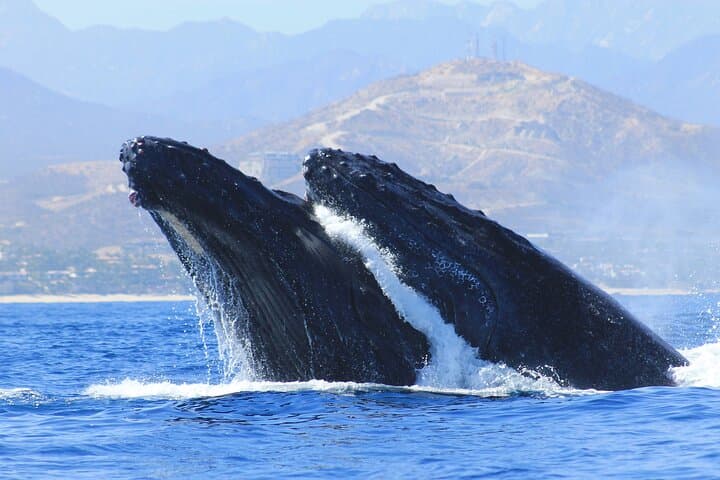
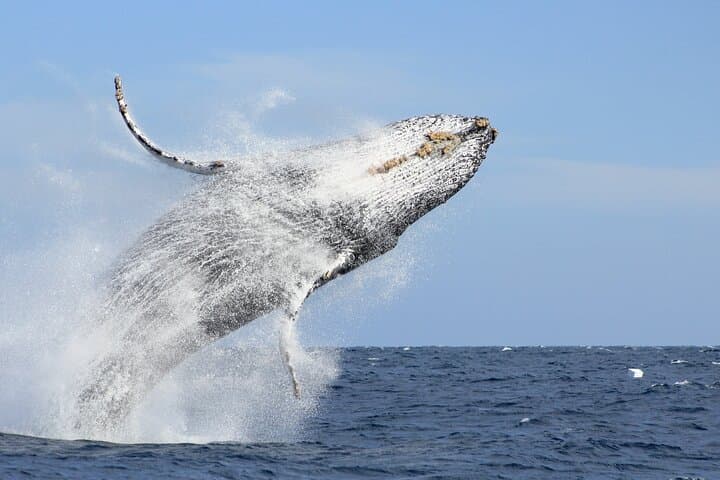
The morning air off Cabo San Lucas tastes of salt and diesel; the marina wakes slowly as skippers check lines and cameras. You push through a narrow harbor mouth, past the squat silhouette of the marina, and then Land’s End opens — the Arch and a colony of sea lions plastered on the rocks like punctuation. From the boat deck the ocean becomes a stage: humpback blows punctuate the surface, tails slap, and curious calves ride the wake.
Verified experiences and guided adventures in the surrounding area.
Operated by True Baja · Cabo San Lucas, Baja California Sur
The morning air off Cabo San Lucas tastes of salt and diesel; the marina wakes slowly as skippers check lines and cameras. You push through a narrow harbor mouth, past the squat silhouette of the marina, and then Land’s End opens — the Arch and a colony of sea lions plastered on the rocks like punctuation. From the boat deck the ocean becomes a stage: humpback blows punctuate the surface, tails slap, and curious calves ride the wake.
These whales arrive each winter from feeding grounds in the north to calve and mate in the warmer waters of the Gulf of California and Pacific. The geology here is granite and volcanic outcrop sculpted by waves and tectonics; El Arco itself is a worn spire at the meeting of two seas. Local guides draw on generations of fishing and maritime knowledge, and bilingual narration often weaves natural history with local lore about fishermen, migratory routes, and the sea’s seasonal moods.
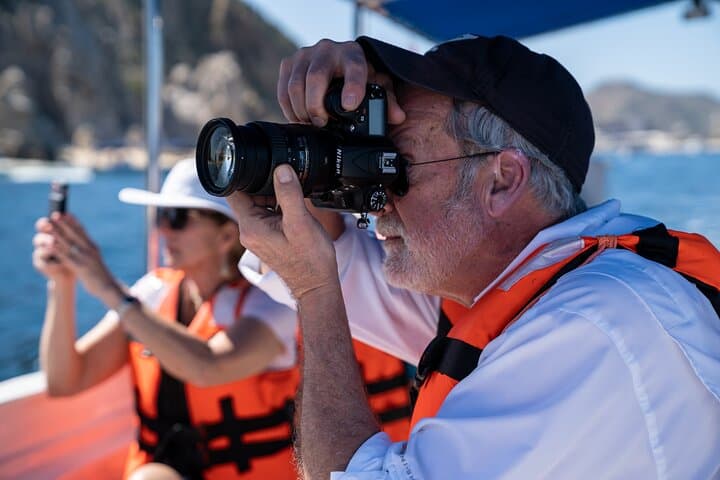
Practically: tours run about 2.5 hours from the marina, with life vests, bottled water, snacks, and a photographer included. Expect motion on open water and bring layers—the wind bites even on sunny days. Operators follow national park and whale‑watching guidelines: observe, don’t chase; engines at low idle; maintain respectful distance. Timing is key: winter through early spring is peak for humpback sightings. A morning departure often equals calmer seas and clearer light for photos. Hydrate, set your camera to burst mode, and let the currents and encounters shape the day.
easy.
2–3 hours.
Suitable for most fitness levels; requires boarding a small vessel and standing or moving on deck for portions of the trip.
Peak season runs roughly December through April, with highest concentrations from January to March during calving and breeding.
Yes; operators advise that minors be accompanied by an adult and that life vests are provided for all ages.
Take over‑the‑counter or prescribed motion‑sickness medicine before boarding, stay on deck in fresh air, focus on the horizon, and sit near the centerline or stern for less motion.
Quite possibly; sea lions at the Arch, dolphins, sea turtles, and occasionally manta rays or seabirds are commonly observed on these cruises.
Cabo’s maritime history is rooted in fishing and boatbuilding; El Arco marks the geological seam where the Sea of Cortez and Pacific meet and has been a navigational landmark for centuries.
Operators follow park distance rules and low‑idle approaches to avoid disturbing whales; avoid single‑use plastics and listen to guide briefings to minimize your footprint.
True Baja operates guided outdoor trips and adventures with an emphasis on safety, stewardship, and memorable experiences.
The morning air off Cabo San Lucas tastes of salt and diesel; the marina wakes slowly as skippers check lines and cameras. You push through a narrow harbor mouth, past the squat silhouette of the marina, and then Land’s End opens — the Arch and a colony of sea lions plastered on the rocks like punctuation. From the boat deck the ocean becomes a stage: humpback blows punctuate the surface, tails slap, and curious calves ride the wake.
The morning air off Cabo San Lucas tastes of salt and diesel; the marina wakes slowly as skippers check lines and cameras. You push through a narrow harbor mouth, past the squat silhouette of the marina, and then Land’s End opens — the Arch and a colony of sea lions plastered on the rocks like punctuation. From the boat deck the ocean becomes a stage: humpback blows punctuate the surface, tails slap, and curious calves ride the wake.
These whales arrive each winter from feeding grounds in the north to calve and mate in the warmer waters of the Gulf of California and Pacific. The geology here is granite and volcanic outcrop sculpted by waves and tectonics; El Arco itself is a worn spire at the meeting of two seas. Local guides draw on generations of fishing and maritime knowledge, and bilingual narration often weaves natural history with local lore about fishermen, migratory routes, and the sea’s seasonal moods.
Practically: tours run about 2.5 hours from the marina, with life vests, bottled water, snacks, and a photographer included. Expect motion on open water and bring layers—the wind bites even on sunny days. Operators follow national park and whale‑watching guidelines: observe, don’t chase; engines at low idle; maintain respectful distance. Timing is key: winter through early spring is peak for humpback sightings. A morning departure often equals calmer seas and clearer light for photos. Hydrate, set your camera to burst mode, and let the currents and encounters shape the day.