THE ADVENTURE COLLECTIVE® · Independent discovery and booking for outdoor travel

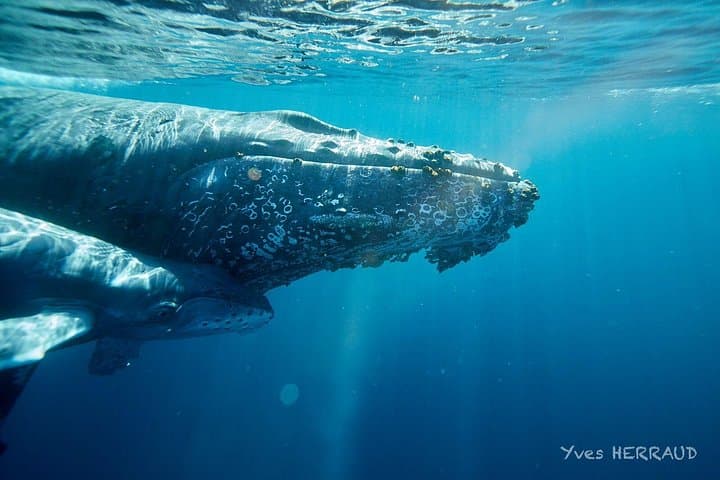
Board a 2.5-hour boat from Cabo San Lucas to seek humpback whales in their breeding grounds. With expert guides and a hydrophone to hear whale song, this seasonal outing (Dec–Apr) balances close encounters with practical conservation-minded viewing.
Board a 2.5-hour boat from Cabo San Lucas to seek humpback whales in their breeding grounds. With expert guides and a hydrophone to hear whale song, this seasonal outing (Dec–Apr) balances close encounters with practical conservation-minded viewing.
The boat slips out of the marina as the morning light cuts across the Sea of Cortez, cool wind pushing against your jacket while the smell of salt sharpens the senses.
Verified experiences and guided adventures in the surrounding area.
Operated by See Creatures · Cabo San Lucas, Baja California Sur
The boat slips out of the marina as the morning light cuts across the Sea of Cortez, cool wind pushing against your jacket while the smell of salt sharpens the senses.
Within minutes the shoreline of Cabo San Lucas falls away and the horizon opens into a blue plain where humpback whales migrate each winter. Guides scan the water, ears tuned to the hydrophone that can pull whale song into the cabin — an intimate, almost tactile reminder that these animals are here to breed and teach calves the routes of the sea.
Baja California Sur sits at the collision of tectonic plates; steep submarine canyons and warm shallow bays create ideal breeding habitat. For centuries local fishing villages have read these waters, and today responsible operators use small-group boats to minimize disturbance while sharing cultural and biological context about the migration.
Expect repeated 2.5-hour outings from December through April, when the odds of breeches, tail slaps, and mother-calf behavior are highest. The sea can feel warm underfoot yet chilly in the breeze — a light jacket, sun protection, and motion-sickness prep are practical musts. Cameras with fast autofocus and a 200–400mm equivalent lens capture most action from a safe distance; if you want sound, bring headphones to listen to the hydrophone feed.
Be ready for quick, thrilling moments — a whale breaches then disappears — and longer stretches of watching adults teach calves to surface. Keep questions ready; good guides will explain behavior, legal approach limits, and how to be a low-impact observer.
easy.
2–3 hours.
Suitable for all fitness levels; requires ability to board small boats and remain seated for short periods.
The reliable season runs December through April, with peak sightings often between January and March when mothers and calves are prevalent.
Yes — on calm days the hydrophone broadcasts low-frequency moans and songs; rough seas can reduce audio clarity.
Yes — most operators welcome families; boats are typically stable and outings are 2.5 hours, but check age limits and safety provisions.
Take over-the-counter or prescription antiemetics before boarding, choose a seat mid-boat, and avoid heavy meals just prior to the trip.
Cabo’s coastline has long been a seasonal gathering place for marine life and a historic fishing hub; humpbacks return to Baja to breed in protected shallow bays.
Choose operators that follow Mexican marine-mammal approach regulations, avoid single-use plastics aboard, and support local conservation fees or research partnerships.
See Creatures operates guided outdoor trips and adventures with an emphasis on safety, stewardship, and memorable experiences.

The boat slips out of the marina as the morning light cuts across the Sea of Cortez, cool wind pushing against your jacket while the smell of salt sharpens the senses.
The boat slips out of the marina as the morning light cuts across the Sea of Cortez, cool wind pushing against your jacket while the smell of salt sharpens the senses.
Within minutes the shoreline of Cabo San Lucas falls away and the horizon opens into a blue plain where humpback whales migrate each winter. Guides scan the water, ears tuned to the hydrophone that can pull whale song into the cabin — an intimate, almost tactile reminder that these animals are here to breed and teach calves the routes of the sea.
Baja California Sur sits at the collision of tectonic plates; steep submarine canyons and warm shallow bays create ideal breeding habitat. For centuries local fishing villages have read these waters, and today responsible operators use small-group boats to minimize disturbance while sharing cultural and biological context about the migration.
Expect repeated 2.5-hour outings from December through April, when the odds of breeches, tail slaps, and mother-calf behavior are highest. The sea can feel warm underfoot yet chilly in the breeze — a light jacket, sun protection, and motion-sickness prep are practical musts. Cameras with fast autofocus and a 200–400mm equivalent lens capture most action from a safe distance; if you want sound, bring headphones to listen to the hydrophone feed.
Be ready for quick, thrilling moments — a whale breaches then disappears — and longer stretches of watching adults teach calves to surface. Keep questions ready; good guides will explain behavior, legal approach limits, and how to be a low-impact observer.