THE ADVENTURE COLLECTIVE® · Independent discovery and booking for outdoor travel

A compact, three-hour private boat tour that combines snorkeling at Pelican Rock, a close pass of El Arco, and beach time at Lover's and Divorce Beach—ideal for travelers who want iconic Cabo marine sights and easy logistics.
A compact, three-hour private boat tour that combines snorkeling at Pelican Rock, a close pass of El Arco, and beach time at Lover's and Divorce Beach—ideal for travelers who want iconic Cabo marine sights and easy logistics.
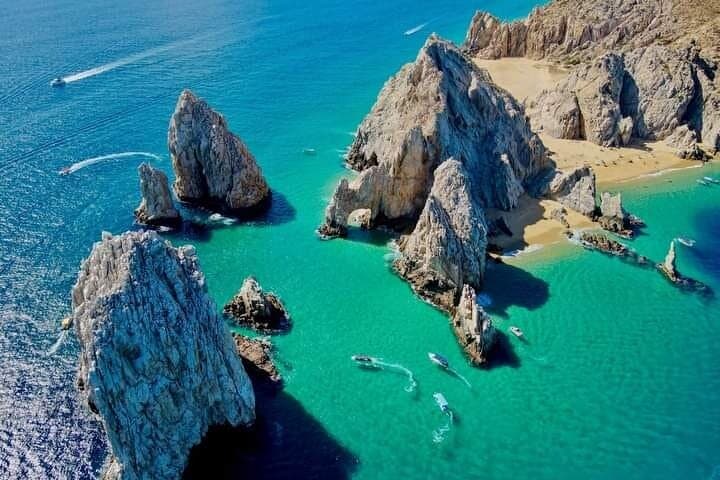
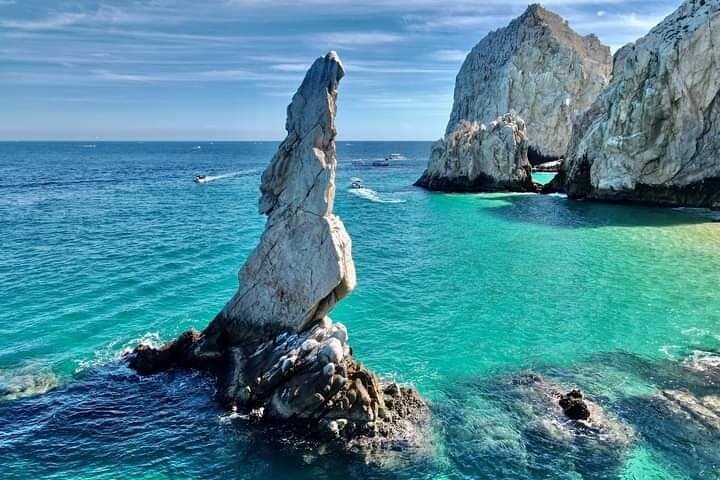
You feel the boat push off the marina and the city’s noise thins to gull calls and the slack slap of wake against fiberglass. Within minutes the skyline of Cabo San Lucas—the low white buildings and the impatient palms—falls astern and the water opens into an indigo plain. The captain eases nearer to Land’s End and there it is: El Arco, the limestone bow cut by currents and time, framed by pelicans tracing the thermals.
Verified experiences and guided adventures in the surrounding area.
Operated by AQUA ACTIVITIES · Cabo San Lucas, Baja California Sur
You feel the boat push off the marina and the city’s noise thins to gull calls and the slack slap of wake against fiberglass. Within minutes the skyline of Cabo San Lucas—the low white buildings and the impatient palms—falls astern and the water opens into an indigo plain. The captain eases nearer to Land’s End and there it is: El Arco, the limestone bow cut by currents and time, framed by pelicans tracing the thermals.
This three-hour tour stitches several short chapters of the Cape region into a single outing: a slow circumnavigation of the Arch, quick stops for snorkeling at Pelican Rock and nearby reefs, and beach time on Lover’s Beach and Divorce Beach where the surf differences are a lesson in ocean moods. Boats glide through the channels where sea lions haul out, and skippers point to Pirate’s Cave and the narrow channels that were once the routes of local fishermen.
Geologically, El Arco is a product of relentless Pacific swell meeting granite outcrops at the tip of the Baja Peninsula. That meeting created caves, arches, and shelves that concentrate marine life. Culturally, Cabo’s marina evolved from a small fishing town to a port of call where traditional panga fishermen now share the water with sportfishermen and tour skippers; the newer tourism economy still leans on the sea for its stories and livelihoods.
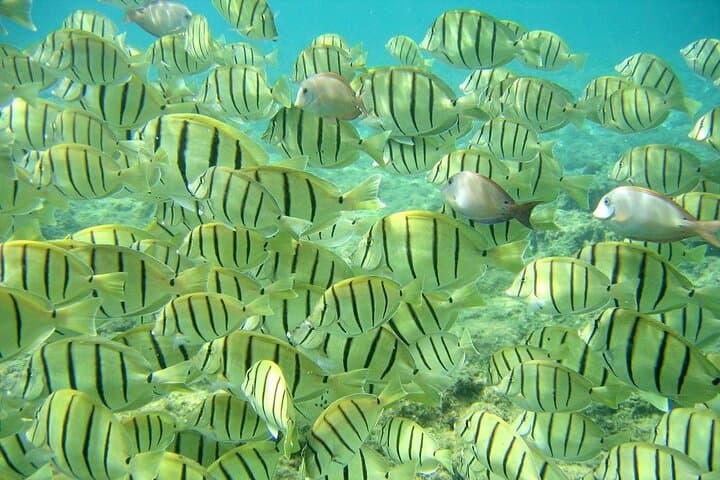
Underwater, visibility varies by season but even on a softer day you’ll see Mexican hogfish, colorful goatfish, and schools of small reef fishes that pivot in the surge. During winter and spring, migrating whales pass offshore and may make surprise appearances, their spouts and flukes punctuating the horizon.
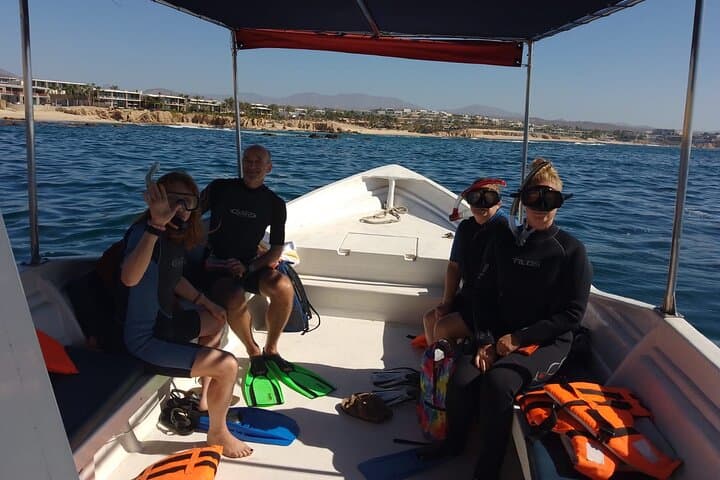
Practical side: the tour is three hours, meeting on Blvd. Paseo de la Marina near the circle of surfboards. Snorkel gear and life jackets are provided; bottled water included. The route is compact—short hops between snorkeling sites and a beach stop—so it’s ideal for travelers short on time who want a concentrated taste of Cabo’s marine highlights.
Plan for sun and splash. Mornings tend to offer calmer water and better underwater visibility; afternoons can be windier. The beaches here are small and sandy; wear reef-safe sunscreen and water shoes if you plan to walk rockier shorelines. If you want better underwater photos, bring a personal mask that fits well—loaner gear is fine, but a tight seal matters for clear shots.
Safety and sustainability matter: avoid touching coral, keep distance from sea lions, and follow crew instructions for currents and surf on the beach. With basic swimming ability and a sense of adventure, this short private tour delivers some of Cabo’s most iconic scenes—above and below the water—in a single, efficient outing.
easy.
3 hours.
Basic swimming ability recommended; suitable for most fitness levels as stops are short and life jackets provided
The tour is three hours long and departs from Blvd. Paseo de la Marina 106, near the circle of surfboards at the marina in Cabo San Lucas.
Yes—snorkel equipment and life jackets are provided, along with bottled water.
Life jackets are provided and the beaches have shallow areas, but basic comfort with water is recommended; discuss any concerns when booking.
Whale season typically runs from December through April; while whales aren't guaranteed, winter/spring trips increase the chance of sightings.
Lover’s Beach is sheltered but Divorce Beach faces the open ocean and has stronger surf—follow crew guidance and avoid swimming on the ocean-facing side.
For a full refund cancel at least 24 hours before departure; trips may be canceled for bad weather.
Land’s End has long been a navigational landmark for fishermen; the Arch itself is shaped by currents that have worn the granite over centuries.
Practice reef-safe sunscreen use and avoid touching marine life; local operators follow rules to reduce anchor damage and disturbance to sea lion haul-outs.
AQUA ACTIVITIES operates guided outdoor trips and adventures with an emphasis on safety, stewardship, and memorable experiences.
You feel the boat push off the marina and the city’s noise thins to gull calls and the slack slap of wake against fiberglass. Within minutes the skyline of Cabo San Lucas—the low white buildings and the impatient palms—falls astern and the water opens into an indigo plain. The captain eases nearer to Land’s End and there it is: El Arco, the limestone bow cut by currents and time, framed by pelicans tracing the thermals.
You feel the boat push off the marina and the city’s noise thins to gull calls and the slack slap of wake against fiberglass. Within minutes the skyline of Cabo San Lucas—the low white buildings and the impatient palms—falls astern and the water opens into an indigo plain. The captain eases nearer to Land’s End and there it is: El Arco, the limestone bow cut by currents and time, framed by pelicans tracing the thermals.
This three-hour tour stitches several short chapters of the Cape region into a single outing: a slow circumnavigation of the Arch, quick stops for snorkeling at Pelican Rock and nearby reefs, and beach time on Lover’s Beach and Divorce Beach where the surf differences are a lesson in ocean moods. Boats glide through the channels where sea lions haul out, and skippers point to Pirate’s Cave and the narrow channels that were once the routes of local fishermen.
Geologically, El Arco is a product of relentless Pacific swell meeting granite outcrops at the tip of the Baja Peninsula. That meeting created caves, arches, and shelves that concentrate marine life. Culturally, Cabo’s marina evolved from a small fishing town to a port of call where traditional panga fishermen now share the water with sportfishermen and tour skippers; the newer tourism economy still leans on the sea for its stories and livelihoods.
Underwater, visibility varies by season but even on a softer day you’ll see Mexican hogfish, colorful goatfish, and schools of small reef fishes that pivot in the surge. During winter and spring, migrating whales pass offshore and may make surprise appearances, their spouts and flukes punctuating the horizon.
Practical side: the tour is three hours, meeting on Blvd. Paseo de la Marina near the circle of surfboards. Snorkel gear and life jackets are provided; bottled water included. The route is compact—short hops between snorkeling sites and a beach stop—so it’s ideal for travelers short on time who want a concentrated taste of Cabo’s marine highlights.
Plan for sun and splash. Mornings tend to offer calmer water and better underwater visibility; afternoons can be windier. The beaches here are small and sandy; wear reef-safe sunscreen and water shoes if you plan to walk rockier shorelines. If you want better underwater photos, bring a personal mask that fits well—loaner gear is fine, but a tight seal matters for clear shots.
Safety and sustainability matter: avoid touching coral, keep distance from sea lions, and follow crew instructions for currents and surf on the beach. With basic swimming ability and a sense of adventure, this short private tour delivers some of Cabo’s most iconic scenes—above and below the water—in a single, efficient outing.