THE ADVENTURE COLLECTIVE® · Independent discovery and booking for outdoor travel

Head out from Cabo San Lucas marina on a 4–5 hour ocean safari that chases whales, dolphins, and mobulas. Expect guided wildlife viewing, optional snorkeling at rocky reefs, and a mix of open-ocean and sheltered-bay cruising.
Head out from Cabo San Lucas marina on a 4–5 hour ocean safari that chases whales, dolphins, and mobulas. Expect guided wildlife viewing, optional snorkeling at rocky reefs, and a mix of open-ocean and sheltered-bay cruising.
The boat slips out of Cabo San Lucas marina as sunlight chisels the cliffs; pelicans wheel overhead and the Arch slides into view. Guides call cadence over the engine hum—today the ocean decides the route. The itinerary ranges from sheltered shorelines around Pelican Rock to open Pacific swells or the calmer Sea of Cortez, with radio reports steering the chase for whales, dolphins, mobulas, or orcas.
Verified experiences and guided adventures in the surrounding area.
Operated by Mako Sea Wildlife Safari - Whale Watching · Cabo San Lucas, Baja California Sur
The boat slips out of Cabo San Lucas marina as sunlight chisels the cliffs; pelicans wheel overhead and the Arch slides into view. Guides call cadence over the engine hum—today the ocean decides the route. The itinerary ranges from sheltered shorelines around Pelican Rock to open Pacific swells or the calmer Sea of Cortez, with radio reports steering the chase for whales, dolphins, mobulas, or orcas.
Cabo’s coast is shaped by tectonic uplift and oceanic currents where granite outcrops meet volcanic reefs. The port grew from fishing village roots into a gateway for mariners and sportfishermen, and that history shows in local cuisine and the small fleets that still head out at dawn. Culturally, boat crews blend tourism know-how with generations of sea lore—ask about migratory patterns and the old sea routes to Puerto Vallarta.
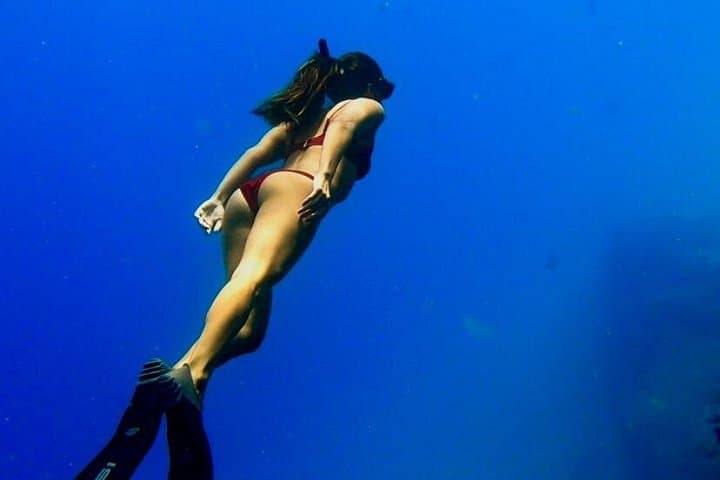
Practically, expect a 4–5 hour outing with stops for observation and optional shallow snorkeling when conditions allow; guides supply snorkel gear and bottled water. Seas can be calm in the protected bays and brisk offshore—dress in light layers, bring reef-safe sunscreen, and be ready for waves. Motion-sickness remedies, a quick swim test, and moderate fitness are sensible prerequisites. Photography benefits from a fast shutter and a waterproof case.
This trip suits travelers who want active wildlife viewing with hands-on snorkeling and local interpretation. Time your visit for winter and spring if you prioritize migrating whales; summer brings clearer water for snorkeling. Respect distance guidelines around marine mammals and follow crew instructions for a safe, responsible ocean encounter.
moderate.
4–5 hours.
Moderate fitness: able to board a small vessel, stand during observation and swim briefly for snorkeling
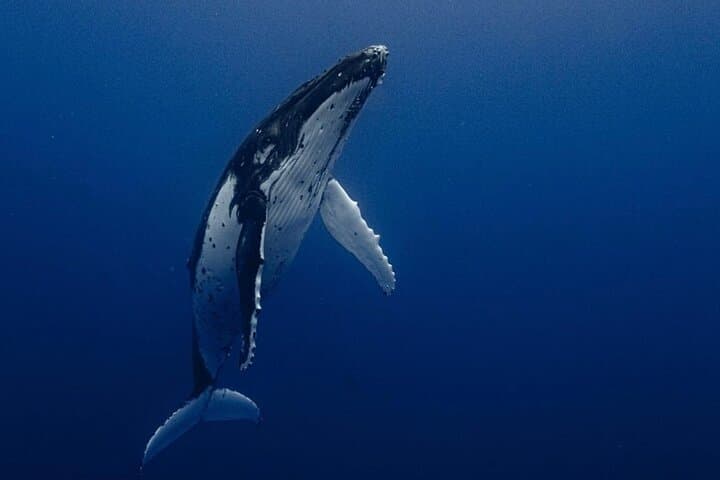
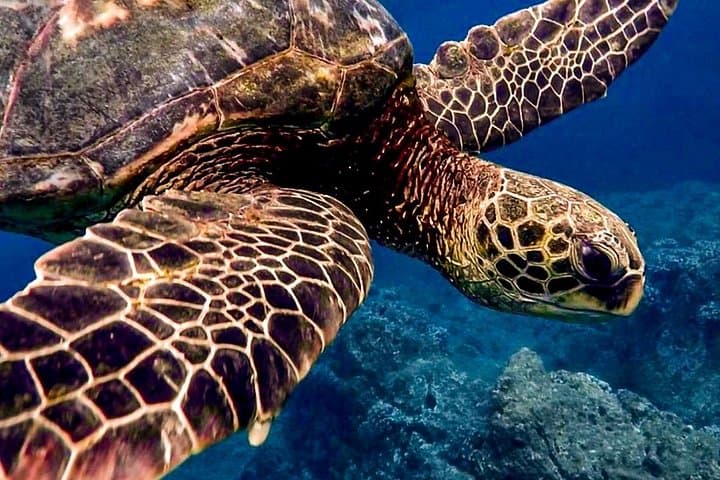
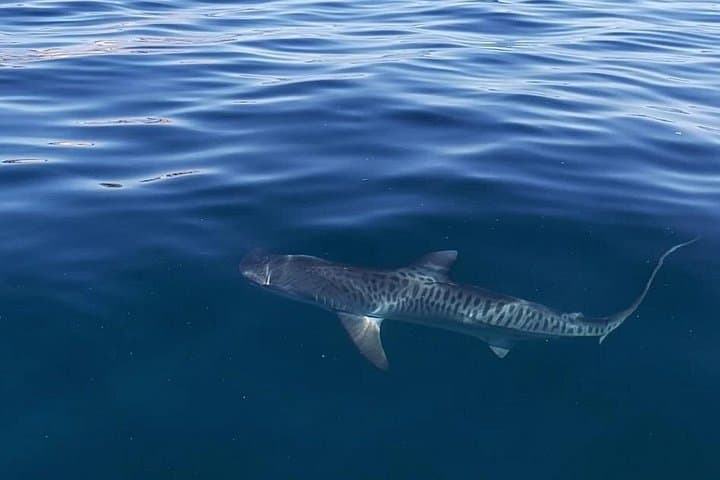
Common sightings include humpback whales (seasonal), bottlenose dolphins, sea lions near rocky outcrops, manta or mobula rays, and occasional shark species; specific sightings depend on season and ocean conditions.
Yes—snorkel equipment is usually provided; confirm sizes and bring your own mask if you prefer a custom fit.
Not recommended for pregnant travelers, people with serious heart or spinal conditions, or those unable to swim; minimum age restrictions apply—check provider rules before booking.
Full refund is typically available if canceled at least 24 hours before departure; operators may cancel for bad weather and issue refunds per their policy.
Cabo developed from a small fishing and pearl-diving community into a tourism port; its maritime culture still shapes local boat operations and seafood cuisine.
Operators follow seasonal watch rules and encourage maintaining distance from cetaceans; use reef-safe sunscreen and avoid touching coral to reduce impact.
Mako Sea Wildlife Safari - Whale Watching operates guided outdoor trips and adventures with an emphasis on safety, stewardship, and memorable experiences.
The boat slips out of Cabo San Lucas marina as sunlight chisels the cliffs; pelicans wheel overhead and the Arch slides into view. Guides call cadence over the engine hum—today the ocean decides the route. The itinerary ranges from sheltered shorelines around Pelican Rock to open Pacific swells or the calmer Sea of Cortez, with radio reports steering the chase for whales, dolphins, mobulas, or orcas.
The boat slips out of Cabo San Lucas marina as sunlight chisels the cliffs; pelicans wheel overhead and the Arch slides into view. Guides call cadence over the engine hum—today the ocean decides the route. The itinerary ranges from sheltered shorelines around Pelican Rock to open Pacific swells or the calmer Sea of Cortez, with radio reports steering the chase for whales, dolphins, mobulas, or orcas.
Cabo’s coast is shaped by tectonic uplift and oceanic currents where granite outcrops meet volcanic reefs. The port grew from fishing village roots into a gateway for mariners and sportfishermen, and that history shows in local cuisine and the small fleets that still head out at dawn. Culturally, boat crews blend tourism know-how with generations of sea lore—ask about migratory patterns and the old sea routes to Puerto Vallarta.
Practically, expect a 4–5 hour outing with stops for observation and optional shallow snorkeling when conditions allow; guides supply snorkel gear and bottled water. Seas can be calm in the protected bays and brisk offshore—dress in light layers, bring reef-safe sunscreen, and be ready for waves. Motion-sickness remedies, a quick swim test, and moderate fitness are sensible prerequisites. Photography benefits from a fast shutter and a waterproof case.
This trip suits travelers who want active wildlife viewing with hands-on snorkeling and local interpretation. Time your visit for winter and spring if you prioritize migrating whales; summer brings clearer water for snorkeling. Respect distance guidelines around marine mammals and follow crew instructions for a safe, responsible ocean encounter.