THE ADVENTURE COLLECTIVE® · Independent discovery and booking for outdoor travel

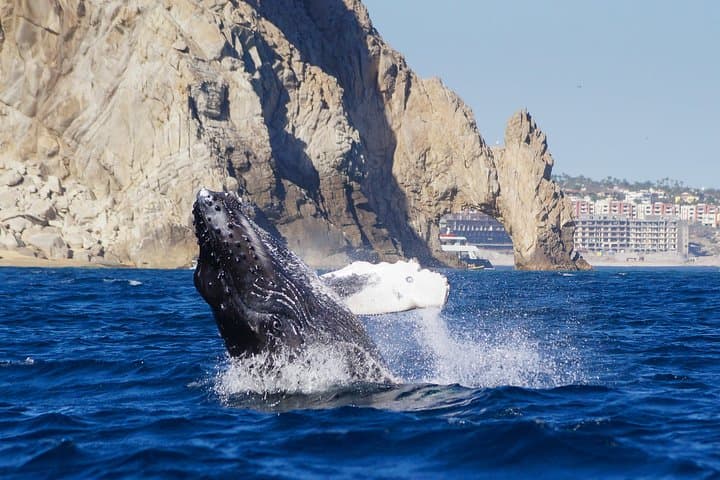
Board a small, marine-biologist-led boat from Cabo’s marina for a 2.5-hour whale watching tour that balances close-up encounters with conservation-minded practice. Early morning departures offer calmer seas and the best chance to see humpback breaches and flukes against the Arch.
Board a small, marine-biologist-led boat from Cabo’s marina for a 2.5-hour whale watching tour that balances close-up encounters with conservation-minded practice. Early morning departures offer calmer seas and the best chance to see humpback breaches and flukes against the Arch.
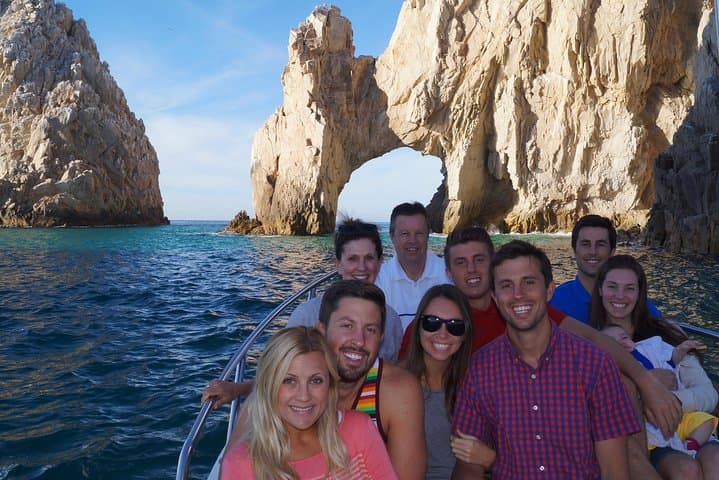
Morning light hits the marina and the boats rock like patient promises; you step aboard and the Pacific breathes cold and wide. The captain eases past glassy harbor traffic toward the Arch, its cliffs already holding noon gulls and the noisy sea lion colony, then opens the horizon where humpbacks often ride the swell.
Verified experiences and guided adventures in the surrounding area.
Operated by Cabo Trek · Cabo San Lucas, Baja California Sur
Morning light hits the marina and the boats rock like patient promises; you step aboard and the Pacific breathes cold and wide. The captain eases past glassy harbor traffic toward the Arch, its cliffs already holding noon gulls and the noisy sea lion colony, then opens the horizon where humpbacks often ride the swell.
The whales arrive each winter to the warm Baja waters to breed and calve after long Arctic migrations. Geology here is stark—granite promontories carved by waves meet the Sea of Cortez's calmer bays—creating rich feeding and breeding zones that captivated 19th-century mariners and modern naturalists alike. Local guides, often marine biologists, combine species ID, cultural notes about Cabo’s fisheries, and conservation updates as you scan the surf.
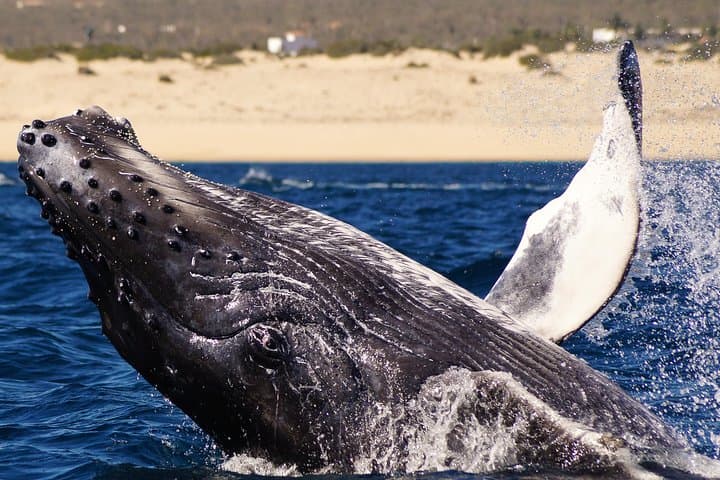
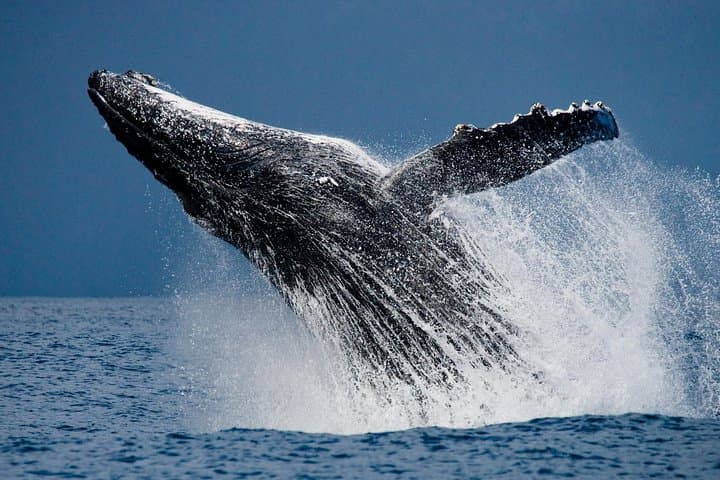
Expect to see flukes, breaches, and slow spy-hops; the animals set a deliberate pace that invites quiet observation. Tours last about 2.5 hours and run from the marina at the Tesoro Hotel, heading either into the Pacific or the Sea of Cortez depending on wind and whale sightings.
Practical side: choose early departures (08:00 or 11:00) for calmer seas and better light for photography. Bring layered sun protection, motion-sickness remedies if you’re sensitive, and binoculars. Boats limit groups to keep disturbance low, and guides often collect photo IDs to support ongoing research—your trip contributes to science when you look and listen carefully.
easy.
2–3 hours.
Suitable for most fitness levels; requires ability to board a small vessel and stand for periods.
The tour runs approximately 2.5 hours, including boarding, transit to prime sighting zones, and return to the marina.
Sightings are common in winter months but not guaranteed; guides choose routes based on weather and recent whale activity to maximize chances.
Yes—boats are small-group and accessible, and early departures are recommended for very young children and those prone to seasickness.
Yes—many tours include a marine biologist guide who provides identification, natural history, and information about local conservation efforts.
Cabo long served as a waypoint for Pacific fisheries and was mapped by explorers in the 1500s; modern tourism grew around its natural arches and marine life.
Operators often follow whale-watching codes of conduct and participate in photo-ID research to reduce disturbance and support population monitoring.
Cabo Trek operates guided outdoor trips and adventures with an emphasis on safety, stewardship, and memorable experiences.
Morning light hits the marina and the boats rock like patient promises; you step aboard and the Pacific breathes cold and wide. The captain eases past glassy harbor traffic toward the Arch, its cliffs already holding noon gulls and the noisy sea lion colony, then opens the horizon where humpbacks often ride the swell.
Morning light hits the marina and the boats rock like patient promises; you step aboard and the Pacific breathes cold and wide. The captain eases past glassy harbor traffic toward the Arch, its cliffs already holding noon gulls and the noisy sea lion colony, then opens the horizon where humpbacks often ride the swell.
The whales arrive each winter to the warm Baja waters to breed and calve after long Arctic migrations. Geology here is stark—granite promontories carved by waves meet the Sea of Cortez's calmer bays—creating rich feeding and breeding zones that captivated 19th-century mariners and modern naturalists alike. Local guides, often marine biologists, combine species ID, cultural notes about Cabo’s fisheries, and conservation updates as you scan the surf.
Expect to see flukes, breaches, and slow spy-hops; the animals set a deliberate pace that invites quiet observation. Tours last about 2.5 hours and run from the marina at the Tesoro Hotel, heading either into the Pacific or the Sea of Cortez depending on wind and whale sightings.
Practical side: choose early departures (08:00 or 11:00) for calmer seas and better light for photography. Bring layered sun protection, motion-sickness remedies if you’re sensitive, and binoculars. Boats limit groups to keep disturbance low, and guides often collect photo IDs to support ongoing research—your trip contributes to science when you look and listen carefully.