THE ADVENTURE COLLECTIVE® · Independent discovery and booking for outdoor travel

Explore the windswept cliffs of Cabo Espichel by jeep, visiting a 17th‑century sanctuary and real dinosaur footprint deposits. This half‑day route pairs coastal panoramas with accessible paleontology and local coastal culture.
Explore the windswept cliffs of Cabo Espichel by jeep, visiting a 17th‑century sanctuary and real dinosaur footprint deposits. This half‑day route pairs coastal panoramas with accessible paleontology and local coastal culture.
You climb into a rugged jeep and the Atlantic wind pushes at the hood as the coast opens wide—cliffs, scrub, and the distant white of a lighthouse standing guard. The route circles Cabo Espichel, where sea and stone meet in abrupt cliffs and fossilized footprints lie exposed on wave-polished slabs.
Verified experiences and guided adventures in the surrounding area.
Operated by Anthia Diving Center · Sesimbra, Setúbal District
You climb into a rugged jeep and the Atlantic wind pushes at the hood as the coast opens wide—cliffs, scrub, and the distant white of a lighthouse standing guard. The route circles Cabo Espichel, where sea and stone meet in abrupt cliffs and fossilized footprints lie exposed on wave-polished slabs.
The Sanctuary of Our Lady of Cabo Espichel dates to the 17th century, its pilgrimage architecture and long esplanade reflecting Portugal’s maritime faith and the age of sail. Geologically the cape is a slice of Jurassic limestone and Cretaceous sandstones; tides and erosion have revealed ichnofossils—dinosaur tracks preserved where soft mud once held huge, slow steps.
Local culture here is quietly coastal: fishermen villages in Sesimbra, small cafés serving grilled fish, and seasonal pilgrims visiting the sanctuary on feast days. Guides point out the trace fossils at Pedreira do Avelino and Pedra da Mua, explaining how paleontologists read stride and gait from 100-million-year-old impressions.
Practical guidance: the tour lasts about four hours with several short stops and minimal walking across uneven rocky surfaces. Footwear with good grip is essential; winds can be strong and sun exposure intense even on cool days. Bring water, layered clothing, and a camera with a wide lens for cliff panoramas. Accessibility varies by stop—some viewpoints are easily reached from the vehicle, while fossil sites require short, careful walks over slick rock.
This jeep tour blends history, geology and coastal scenery into a focused half-day adventure—ideal for anyone curious about the collision of deep time and the present coastline.
easy.
4 hours.
Suitable for most fitness levels; requires short, careful walks over uneven rock surfaces.
The tour is about four hours with several short stops; most walking is brief but over uneven, sometimes slippery rock.
Some fossil surfaces are best seen at low tide when rock is exposed; guides plan stops for safe viewing but visibility can change with sea conditions.
The tour is family‑friendly and vehicle access is easy, but fossil sites require short walks over rock—those with limited mobility should check specific stop accessibility beforehand.
Photography is permitted for personal use; drone regulations in Portugal apply—ask the operator before flying as some coastal and sanctuary areas restrict drones.
Cabo Espichel developed as a pilgrimage site in the 17th century; the sanctuary and esplanade were built to accommodate growing processions tied to seafaring and local devotion.
Coastal erosion exposes fossils but also risks damage; visitors should stay on marked paths and avoid stepping on ichnofossil slabs to preserve them for research.
Anthia Diving Center operates guided outdoor trips and adventures with an emphasis on safety, stewardship, and memorable experiences.
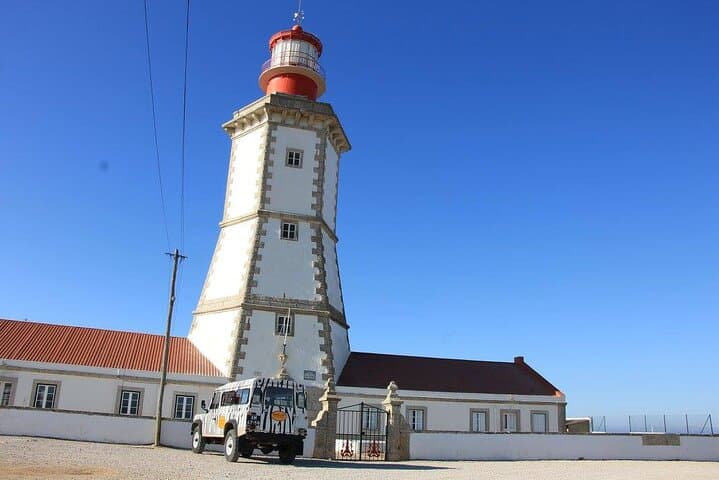
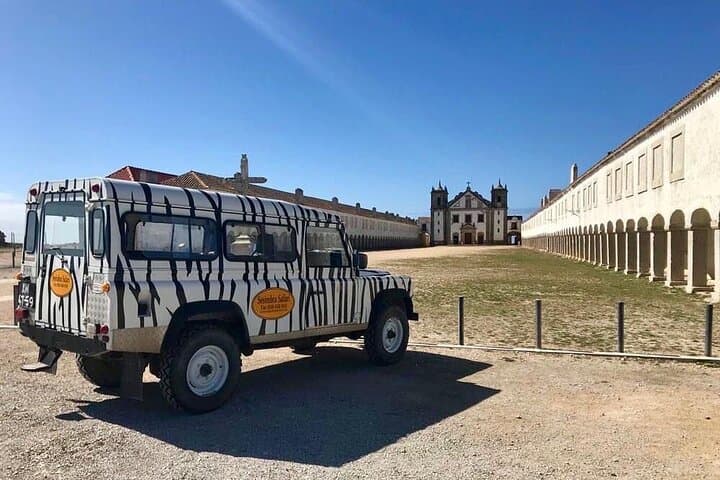
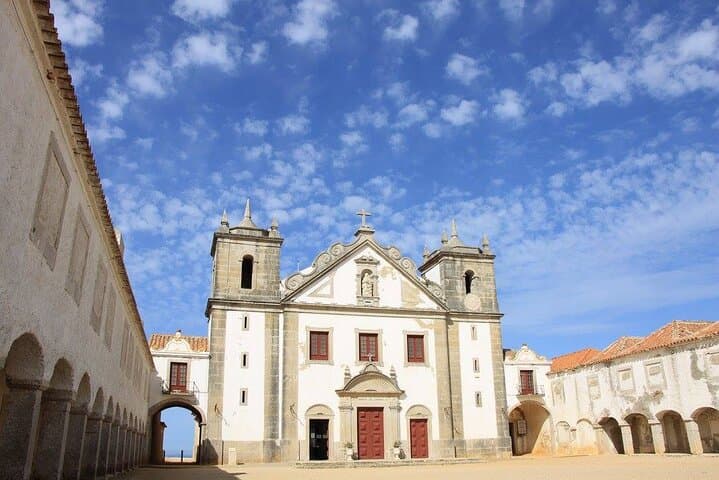
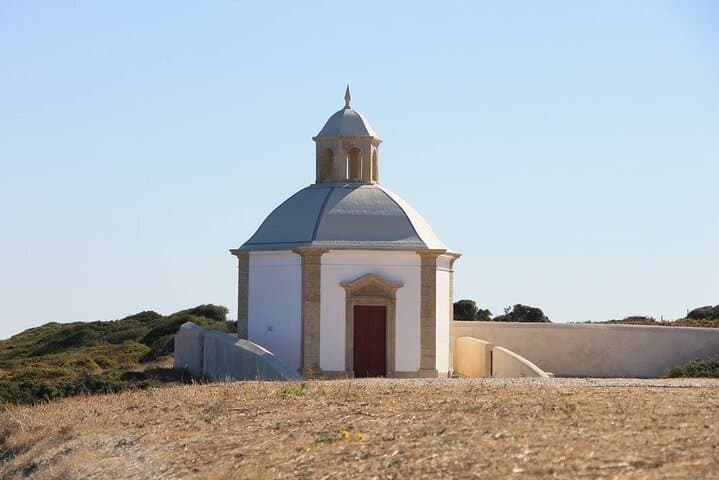
You climb into a rugged jeep and the Atlantic wind pushes at the hood as the coast opens wide—cliffs, scrub, and the distant white of a lighthouse standing guard. The route circles Cabo Espichel, where sea and stone meet in abrupt cliffs and fossilized footprints lie exposed on wave-polished slabs.
You climb into a rugged jeep and the Atlantic wind pushes at the hood as the coast opens wide—cliffs, scrub, and the distant white of a lighthouse standing guard. The route circles Cabo Espichel, where sea and stone meet in abrupt cliffs and fossilized footprints lie exposed on wave-polished slabs.
The Sanctuary of Our Lady of Cabo Espichel dates to the 17th century, its pilgrimage architecture and long esplanade reflecting Portugal’s maritime faith and the age of sail. Geologically the cape is a slice of Jurassic limestone and Cretaceous sandstones; tides and erosion have revealed ichnofossils—dinosaur tracks preserved where soft mud once held huge, slow steps.
Local culture here is quietly coastal: fishermen villages in Sesimbra, small cafés serving grilled fish, and seasonal pilgrims visiting the sanctuary on feast days. Guides point out the trace fossils at Pedreira do Avelino and Pedra da Mua, explaining how paleontologists read stride and gait from 100-million-year-old impressions.
Practical guidance: the tour lasts about four hours with several short stops and minimal walking across uneven rocky surfaces. Footwear with good grip is essential; winds can be strong and sun exposure intense even on cool days. Bring water, layered clothing, and a camera with a wide lens for cliff panoramas. Accessibility varies by stop—some viewpoints are easily reached from the vehicle, while fossil sites require short, careful walks over slick rock.
This jeep tour blends history, geology and coastal scenery into a focused half-day adventure—ideal for anyone curious about the collision of deep time and the present coastline.