THE ADVENTURE COLLECTIVE® · Independent discovery and booking for outdoor travel

Get face-to-fin with a Pacific bottlenose in Cabo San Lucas during a guided 60-minute encounter. Family friendly with optional hotel pickup and certified lifejackets, this experience blends education with memorable, supervised contact.
Get face-to-fin with a Pacific bottlenose in Cabo San Lucas during a guided 60-minute encounter. Family friendly with optional hotel pickup and certified lifejackets, this experience blends education with memorable, supervised contact.
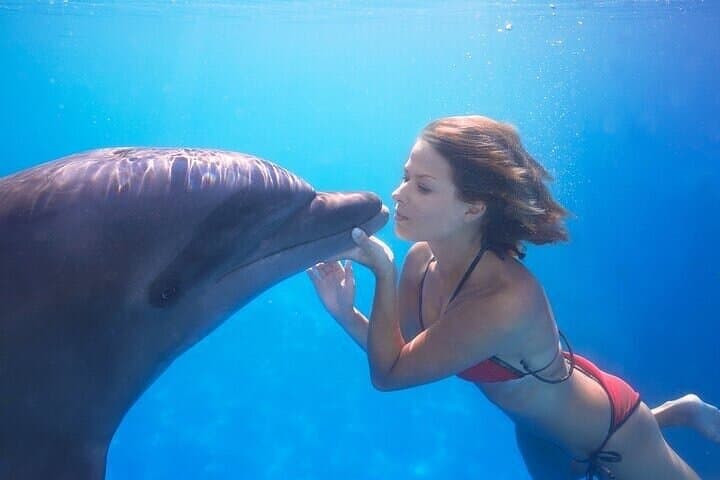
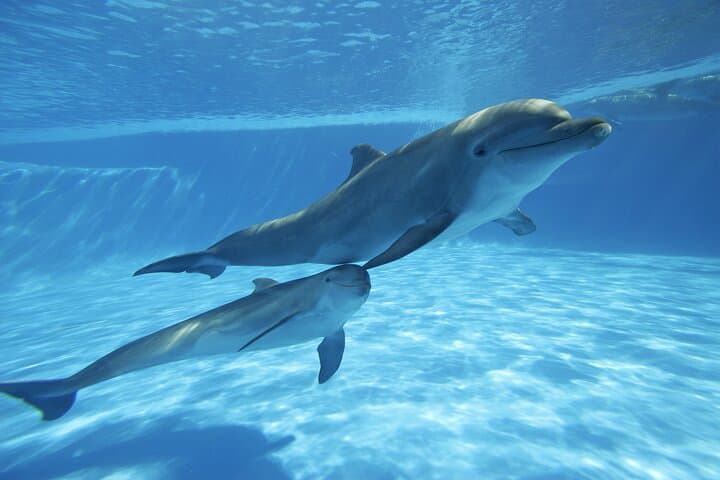
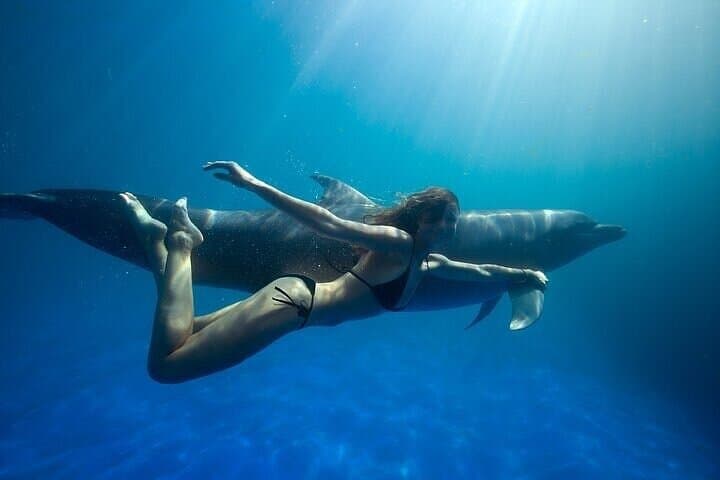
The first thing you notice is the sound—water tapping against the pool edge, a low chatter of visitors, and the soft exhale of a dolphin that seems to time its breath with your own. At a dolphin facility on the edge of Cabo San Lucas, a Pacific bottlenose circles with the casual confidence of an old performer; its skin gleams like polished stone and its eyes study you the way a teacher studies a new student.
Verified experiences and guided adventures in the surrounding area.
Operated by Go n Travel in Cabo · Cabo San Lucas, Baja California Sur
The first thing you notice is the sound—water tapping against the pool edge, a low chatter of visitors, and the soft exhale of a dolphin that seems to time its breath with your own. At a dolphin facility on the edge of Cabo San Lucas, a Pacific bottlenose circles with the casual confidence of an old performer; its skin gleams like polished stone and its eyes study you the way a teacher studies a new student.
This is not a raw open-ocean swim; it’s an intimate, guided encounter designed to introduce families and curious travelers to the behavior and intelligence of Tursiops truncatus. Cabo’s marine culture is tied to both the Sea of Cortez and the Pacific—two bodies of water that shape the region’s tides, fisheries, and tourism. Local guides often explain how seasonal upwellings feed plankton blooms and draw marine life closer to shore, creating windows when sightings are richest.
Geologically, the peninsula’s granite outcrops and volcanic remnants frame shallow bays where sheltered facilities now operate. Historically, the area evolved from fishing villages into an international destination between the mid-20th century and the tourism boom of the 1980s; today, encounters like this sit at the intersection of education and entertainment. Staff provide a short briefing on dolphin biology and safety—how dolphins use echolocation, what being a bottlenose means here, and why trust-building exercises benefit both animal and guest.
The encounter itself moves quickly: meet your guide, don a lifejacket, enter waist- to chest-deep water, then exchange touches, belly-rides, or guided spins depending on the program. Dolphins are the actors, but the certified guides control cadence, safety, and the interpretation—so bring your curiosity and follow instructions. For parents, note that infant seats and lifejackets are available and that the operation emphasizes supervised contact rather than free-form swimming.
Practicalities matter as much as the splash. The experience runs about 60 minutes; hotel pickup is optional (reserve 24 hours ahead) with a typical transfer fee of $10 per person round trip. Mobile tickets are accepted and cancellations are refundable if made at least 24 hours in advance. Wear quick-dry swimwear, reef-safe sunscreen, and water shoes; bring a waterproof camera if you want to capture eye contact and dorsal fin arcs. If you’re prone to seasickness or nervous about animals, mention it when booking—guides tailor interactions for comfort.
Ultimately, this is an accessible marine encounter that leans educational without losing the sense of wonder. The ocean here remains the lead actor—curious, playful, and occasionally insistently social—so treat the experience with respect and you'll leave with a clearer idea of what keeps life in Baja’s waters both fragile and fiercely alive.
easy.
1 hour.
Suitable for most fitness levels; participants should be comfortable standing in waist- to chest-deep water and following basic safety directions.
The full experience, including briefing and interaction, runs about 60 minutes.
Yes—optional hotel pickup is offered in Cabo San Lucas and San José del Cabo; reserve transportation at least 24 hours before your booking and expect a $10 per person round-trip fee.
Yes—certified guides and safety staff supervise every encounter and provide lifejackets and instructions.
Infant seats and appropriate safety measures are available, but check age limits with the supplier when booking.
For a full refund, cancel at least 24 hours before the scheduled departure time; cancellations within 24 hours are non-refundable.
Yes—guides often take or pose for photos during the encounter; bring a waterproof camera or pouch.
Cabo’s marine attractions grew alongside mid-20th-century tourism; local dolphin programs evolved from conservation-minded education initiatives to family-focused encounters.
Choose reef-safe sunscreen and follow guide instructions to minimize stress on animals; facilities that emphasize education and certified staff generally have better welfare practices.
Go n Travel in Cabo operates guided outdoor trips and adventures with an emphasis on safety, stewardship, and memorable experiences.
The first thing you notice is the sound—water tapping against the pool edge, a low chatter of visitors, and the soft exhale of a dolphin that seems to time its breath with your own. At a dolphin facility on the edge of Cabo San Lucas, a Pacific bottlenose circles with the casual confidence of an old performer; its skin gleams like polished stone and its eyes study you the way a teacher studies a new student.
The first thing you notice is the sound—water tapping against the pool edge, a low chatter of visitors, and the soft exhale of a dolphin that seems to time its breath with your own. At a dolphin facility on the edge of Cabo San Lucas, a Pacific bottlenose circles with the casual confidence of an old performer; its skin gleams like polished stone and its eyes study you the way a teacher studies a new student.
This is not a raw open-ocean swim; it’s an intimate, guided encounter designed to introduce families and curious travelers to the behavior and intelligence of Tursiops truncatus. Cabo’s marine culture is tied to both the Sea of Cortez and the Pacific—two bodies of water that shape the region’s tides, fisheries, and tourism. Local guides often explain how seasonal upwellings feed plankton blooms and draw marine life closer to shore, creating windows when sightings are richest.
Geologically, the peninsula’s granite outcrops and volcanic remnants frame shallow bays where sheltered facilities now operate. Historically, the area evolved from fishing villages into an international destination between the mid-20th century and the tourism boom of the 1980s; today, encounters like this sit at the intersection of education and entertainment. Staff provide a short briefing on dolphin biology and safety—how dolphins use echolocation, what being a bottlenose means here, and why trust-building exercises benefit both animal and guest.
The encounter itself moves quickly: meet your guide, don a lifejacket, enter waist- to chest-deep water, then exchange touches, belly-rides, or guided spins depending on the program. Dolphins are the actors, but the certified guides control cadence, safety, and the interpretation—so bring your curiosity and follow instructions. For parents, note that infant seats and lifejackets are available and that the operation emphasizes supervised contact rather than free-form swimming.
Practicalities matter as much as the splash. The experience runs about 60 minutes; hotel pickup is optional (reserve 24 hours ahead) with a typical transfer fee of $10 per person round trip. Mobile tickets are accepted and cancellations are refundable if made at least 24 hours in advance. Wear quick-dry swimwear, reef-safe sunscreen, and water shoes; bring a waterproof camera if you want to capture eye contact and dorsal fin arcs. If you’re prone to seasickness or nervous about animals, mention it when booking—guides tailor interactions for comfort.
Ultimately, this is an accessible marine encounter that leans educational without losing the sense of wonder. The ocean here remains the lead actor—curious, playful, and occasionally insistently social—so treat the experience with respect and you'll leave with a clearer idea of what keeps life in Baja’s waters both fragile and fiercely alive.