THE ADVENTURE COLLECTIVE® · Independent discovery and booking for outdoor travel

Walk the calli from Campo San Zaccaria to the gilded interior and terrace of St. Mark's Basilica. This 2 hour 45 minute guided tour mixes Byzantine art, civic history and skip-the-line access for a practical, immersive view of Venice.
Walk the calli from Campo San Zaccaria to the gilded interior and terrace of St. Mark's Basilica. This 2 hour 45 minute guided tour mixes Byzantine art, civic history and skip-the-line access for a practical, immersive view of Venice.
The late-afternoon light in Venice tilts low and gold; it slips through narrow calli and pools on the stones of Campo San Zaccaria where your guide waits. You move with a small crowd past shuttered shops and curving bridges, the city narrowing and then opening into piazze that still act like living rooms for Venetians. The canal smells faintly of brine and wood smoke; gulls wheel above the slate roofs and seem intent on escorting the group to the city's most elaborate address: St. Mark's Basilica.
Verified experiences and guided adventures in the surrounding area.
Operated by Park Viaggi · Venice, Veneto
The late-afternoon light in Venice tilts low and gold; it slips through narrow calli and pools on the stones of Campo San Zaccaria where your guide waits. You move with a small crowd past shuttered shops and curving bridges, the city narrowing and then opening into piazze that still act like living rooms for Venetians. The canal smells faintly of brine and wood smoke; gulls wheel above the slate roofs and seem intent on escorting the group to the city's most elaborate address: St. Mark's Basilica.
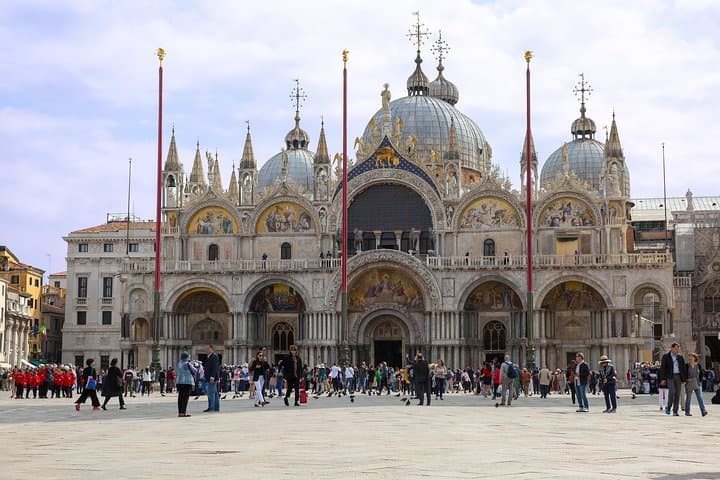
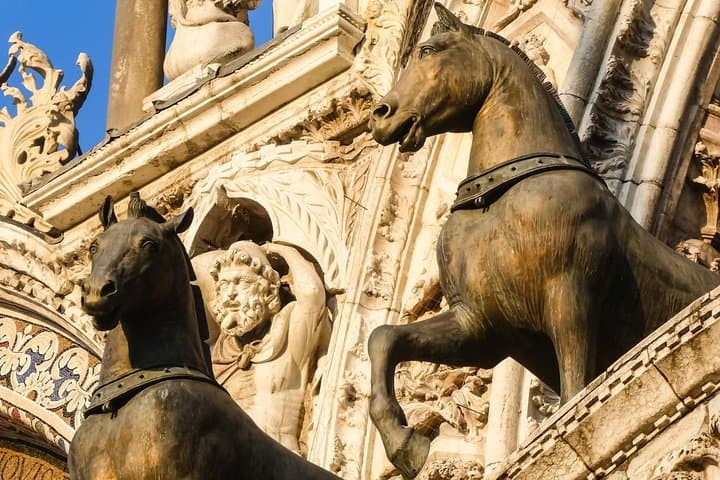
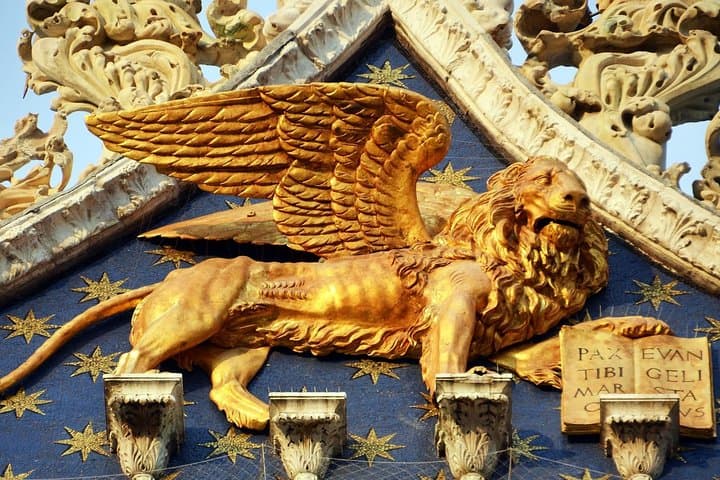
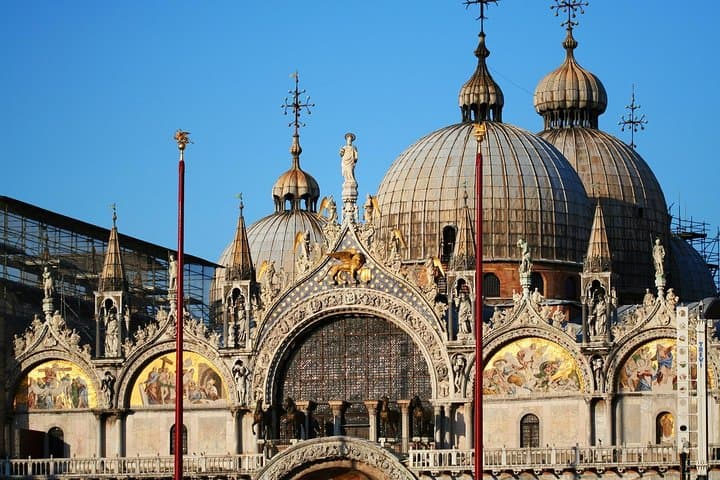
Approaching the basilica is less about grand reveal and more about accumulation—arches, Byzantine domes, and then the glint of mosaics visible from the loggia. Built where a trader’s relics were once kept, the church became a stage for Venetian power: Byzantine marble reused from faraway ports, gold tesserae that catch candlelight, and mosaic programs that narrate trade, conquest, and faith. The tour spends time inside and on the terrace, where you can read the city’s past in stone—households, merchants, and doges all wrote chapters here.
Geology and engineering matter: Venice sits on a lagoon of mud and compressed sand, a city literally propped on timber piles. The Basilica’s marble floor has survived by continual maintenance; stepping carefully across it is a reminder that this stuff is older and more fragile than it looks. The guide will point out tiny clues—Roman spolia, Byzantine iconography, and the subtle repairs made after floods and restorations.
Culturally the tour is compact: a sketch of Venice’s mercantile republic, the story of St. Mark’s relics arriving by sleight and secrecy, and the often-contradictory mix of spectacle and devotion that defines the site. You’ll also pass smaller squares—Campo Santa Maria Formosa and Corte del Milion—places where Venetians still meet, sip coffee, and gossip.
Practicalities matter as much as history. The tour runs about 2 hours 45 minutes and includes skip-the-line access to the basilica, terrace and museum. Wear comfortable shoes—cobbles and steps are constant. Modest dress is required inside the basilica (shoulders and knees covered). Bring ID; ticket redemption is at the shop opposite San Zaccaria church and staff request arrival 15 minutes early. Photography inside some areas is limited and bags may be checked. The terrace offers city lines and campanile views but is narrow—expect queues at busy times.
Tip the balance of wonder with preparation: hydrate, keep valuables close, and let the guide point out details that a quick selfie will miss. When the group moves from the glittering interior out into a quiet campo, you’ll feel how Venice alternates performance and pause—and why this walking tour remains one of the clearest ways to read the city’s layered story.
easy.
2–3 hours.
Easy walking on flat city pavements and some steps; suitable for most fitness levels.
Meet at Campo San Zaccaria 4683/G at the shop opposite the Church of San Zaccaria; arrive 15 minutes early to check in.
Yes—there are wheelchair-accessible routes, but notify organizers in advance so staff can assist with any access needs.
Photography is generally allowed in many areas but flash and tripods are often restricted; follow posted signs and guide instructions.
Yes—shoulders and knees must be covered for both men and women; bring a scarf or lightweight cover if needed.
The tour includes skip-the-line entrance to St. Mark's Basilica, plus access to the terrace and museum as listed in the inclusions.
Yes—this tour is family-friendly; confirm age details during booking and bring ID for ticket redemption if required.
St. Mark’s Basilica began as a private chapel for Venetian rulers and was built up over centuries with spoils and materials from across the Mediterranean, reflecting Venice's mercantile empire.
Rising waters and mass tourism pressure the basilica and St. Mark's Square; visitors are asked to follow rules, minimize waste, and respect restricted areas to help preserve mosaics and historic fabric.
Park Viaggi operates guided outdoor trips and adventures with an emphasis on safety, stewardship, and memorable experiences.
The late-afternoon light in Venice tilts low and gold; it slips through narrow calli and pools on the stones of Campo San Zaccaria where your guide waits. You move with a small crowd past shuttered shops and curving bridges, the city narrowing and then opening into piazze that still act like living rooms for Venetians. The canal smells faintly of brine and wood smoke; gulls wheel above the slate roofs and seem intent on escorting the group to the city's most elaborate address: St. Mark's Basilica.
The late-afternoon light in Venice tilts low and gold; it slips through narrow calli and pools on the stones of Campo San Zaccaria where your guide waits. You move with a small crowd past shuttered shops and curving bridges, the city narrowing and then opening into piazze that still act like living rooms for Venetians. The canal smells faintly of brine and wood smoke; gulls wheel above the slate roofs and seem intent on escorting the group to the city's most elaborate address: St. Mark's Basilica.
Approaching the basilica is less about grand reveal and more about accumulation—arches, Byzantine domes, and then the glint of mosaics visible from the loggia. Built where a trader’s relics were once kept, the church became a stage for Venetian power: Byzantine marble reused from faraway ports, gold tesserae that catch candlelight, and mosaic programs that narrate trade, conquest, and faith. The tour spends time inside and on the terrace, where you can read the city’s past in stone—households, merchants, and doges all wrote chapters here.
Geology and engineering matter: Venice sits on a lagoon of mud and compressed sand, a city literally propped on timber piles. The Basilica’s marble floor has survived by continual maintenance; stepping carefully across it is a reminder that this stuff is older and more fragile than it looks. The guide will point out tiny clues—Roman spolia, Byzantine iconography, and the subtle repairs made after floods and restorations.
Culturally the tour is compact: a sketch of Venice’s mercantile republic, the story of St. Mark’s relics arriving by sleight and secrecy, and the often-contradictory mix of spectacle and devotion that defines the site. You’ll also pass smaller squares—Campo Santa Maria Formosa and Corte del Milion—places where Venetians still meet, sip coffee, and gossip.
Practicalities matter as much as history. The tour runs about 2 hours 45 minutes and includes skip-the-line access to the basilica, terrace and museum. Wear comfortable shoes—cobbles and steps are constant. Modest dress is required inside the basilica (shoulders and knees covered). Bring ID; ticket redemption is at the shop opposite San Zaccaria church and staff request arrival 15 minutes early. Photography inside some areas is limited and bags may be checked. The terrace offers city lines and campanile views but is narrow—expect queues at busy times.
Tip the balance of wonder with preparation: hydrate, keep valuables close, and let the guide point out details that a quick selfie will miss. When the group moves from the glittering interior out into a quiet campo, you’ll feel how Venice alternates performance and pause—and why this walking tour remains one of the clearest ways to read the city’s layered story.