THE ADVENTURE COLLECTIVE® · Independent discovery and booking for outdoor travel

Explore Venice on foot through Castello’s alleys, stand beneath Saint Mark’s Byzantine mosaics, then glide along canals on a shared gondola. This combined half-day experience pairs history and a classic waterborne viewpoint into one compact itinerary.
Explore Venice on foot through Castello’s alleys, stand beneath Saint Mark’s Byzantine mosaics, then glide along canals on a shared gondola. This combined half-day experience pairs history and a classic waterborne viewpoint into one compact itinerary.
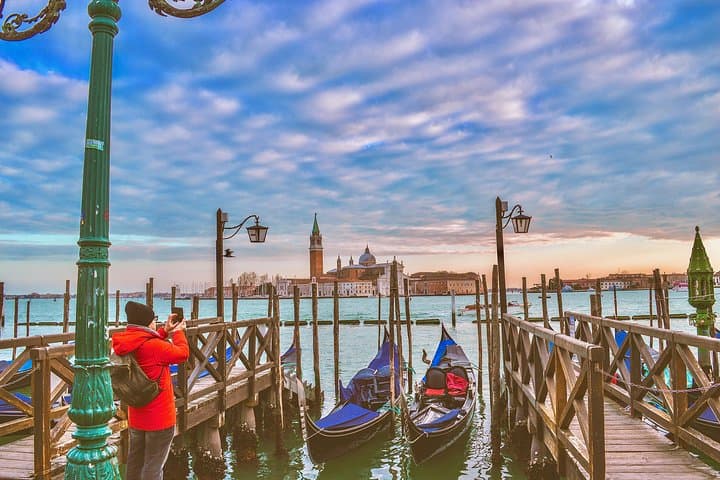
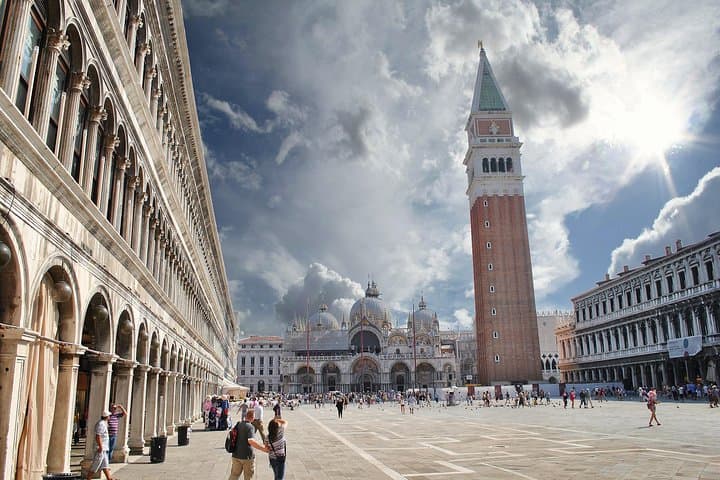
A damp morning light settles across Piazza San Marco as the city slowly exhales; gondoliers tie up, pigeons patrol the stone, and a small yellow kiosk marks the meeting point for a tour that stitches two halves of Venice together.
Verified experiences and guided adventures in the surrounding area.
Operated by Venice Events srl · Venice, Veneto
A damp morning light settles across Piazza San Marco as the city slowly exhales; gondoliers tie up, pigeons patrol the stone, and a small yellow kiosk marks the meeting point for a tour that stitches two halves of Venice together.
You start with a compact, expertly paced walk through the Castello sestiere — narrow calli that funnel you past faded palazzi, low arched bridges and sudden campi like Santa Maria Formosa. The guide times the route so the city’s human scale reveals itself: laundry draped over balconies, a café owner sweeping, a courtyard door that opens onto a slice of private life.
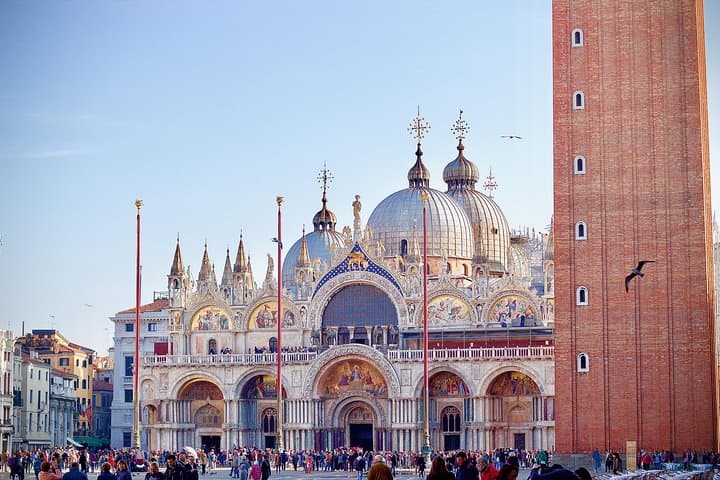
The architectural crescendo arrives at Saint Mark’s Basilica. This was once the Doge’s private chapel and its interior still reads as a Byzantine reliquary: vaulted mosaics in hammered gold, complex marble inlays underfoot and the lion of Saint Mark looking out across centuries. You’ll visit the museum floor to see the famed bronze horses and step onto the terrace for one of the few perspectives that actually looks down on the square.
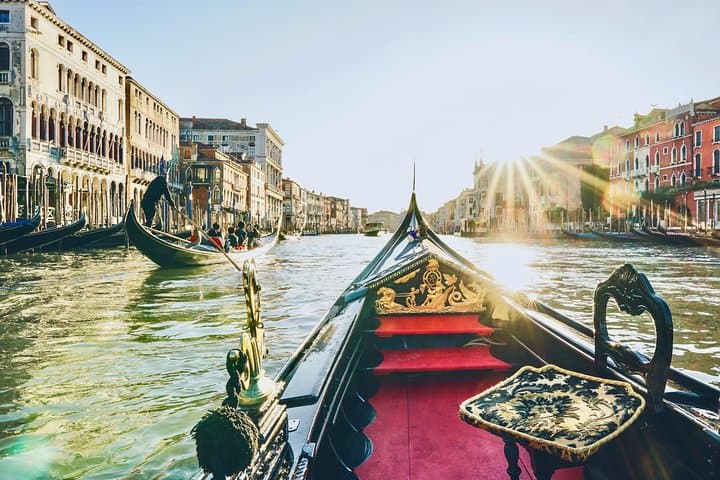
The program pauses until the afternoon; this is Venice’s rhythm—quiet hours then the slow, incandescent return to movement. At 3 p.m. you reconvene for a 30-minute gondola ride that moves from the Grand Canal’s baroque pageant into slighter, shadowed waterways where palaces present unmarked doors at water level and light fractures against plaster.
Geology and history are plain here: a lagoon city built on driven piles, a maritime republic that directed trade between East and West. Castello still bears traces of its working-class, shipbuilding past while the basilica stores the Republic’s ceremonial excess. Modern Venice now negotiates high-tide events (“acqua alta”) and a tourism economy that brings both preservation funds and pressure.
Practical edge: the walking surfaces are level but irregular stone and bridge steps are frequent; bring shoes with good grip. Shoulders and knees must be covered for the basilica and backpacks are not allowed inside. The gondola is shared (max five people) and is not a guided commentary; treat it as a moving viewpoint. Check weather forecasts for tides — high water can alter access and schedules.
This combined itinerary is compact but layered: sensory urban wandering, a concentrated liturgical art experience, and the canal perspective that makes Venice Venice. It’s a one-day primer that both orients and opens up questions—about past power, present preservation, and why a city on the water still manages to feel startlingly alive.
easy.
5–6 hours.
Suitable for travelers of average fitness; mostly flat walking but with frequent steps and long periods standing
Meet 15 minutes early at Calle larga de l’Ascension 1258 next to the San Marco post office (look for the yellow “Meeting point” sign and Turive assistant).
No—this tour is not wheelchair accessible due to narrow alleys, bridges with steps, and basilica access restrictions.
No—backpacks are not allowed inside; bring a small bag or leave larger items at your accommodation.
The gondola is shared with a maximum of five people; it’s a 30-minute ride without guided commentary.
The tour operates rain or shine but high tides can affect access and timings—organizers monitor conditions and may adjust the route or schedule accordingly.
Children under 5 are free; guests 6 and older pay full fare—bring identification for children if required.
Saint Mark’s Basilica reflects Venice’s Byzantine connections—gold mosaics were a statement of maritime wealth and sacral authority during the Republic.
Venice manages rising tides and heavy visitation with seasonal measures and a local access fee on select days; practice low-impact tourism by staying on paths and avoiding litter.
Venice Events srl operates guided outdoor trips and adventures with an emphasis on safety, stewardship, and memorable experiences.
A damp morning light settles across Piazza San Marco as the city slowly exhales; gondoliers tie up, pigeons patrol the stone, and a small yellow kiosk marks the meeting point for a tour that stitches two halves of Venice together.
A damp morning light settles across Piazza San Marco as the city slowly exhales; gondoliers tie up, pigeons patrol the stone, and a small yellow kiosk marks the meeting point for a tour that stitches two halves of Venice together.
You start with a compact, expertly paced walk through the Castello sestiere — narrow calli that funnel you past faded palazzi, low arched bridges and sudden campi like Santa Maria Formosa. The guide times the route so the city’s human scale reveals itself: laundry draped over balconies, a café owner sweeping, a courtyard door that opens onto a slice of private life.
The architectural crescendo arrives at Saint Mark’s Basilica. This was once the Doge’s private chapel and its interior still reads as a Byzantine reliquary: vaulted mosaics in hammered gold, complex marble inlays underfoot and the lion of Saint Mark looking out across centuries. You’ll visit the museum floor to see the famed bronze horses and step onto the terrace for one of the few perspectives that actually looks down on the square.
The program pauses until the afternoon; this is Venice’s rhythm—quiet hours then the slow, incandescent return to movement. At 3 p.m. you reconvene for a 30-minute gondola ride that moves from the Grand Canal’s baroque pageant into slighter, shadowed waterways where palaces present unmarked doors at water level and light fractures against plaster.
Geology and history are plain here: a lagoon city built on driven piles, a maritime republic that directed trade between East and West. Castello still bears traces of its working-class, shipbuilding past while the basilica stores the Republic’s ceremonial excess. Modern Venice now negotiates high-tide events (“acqua alta”) and a tourism economy that brings both preservation funds and pressure.
Practical edge: the walking surfaces are level but irregular stone and bridge steps are frequent; bring shoes with good grip. Shoulders and knees must be covered for the basilica and backpacks are not allowed inside. The gondola is shared (max five people) and is not a guided commentary; treat it as a moving viewpoint. Check weather forecasts for tides — high water can alter access and schedules.
This combined itinerary is compact but layered: sensory urban wandering, a concentrated liturgical art experience, and the canal perspective that makes Venice Venice. It’s a one-day primer that both orients and opens up questions—about past power, present preservation, and why a city on the water still manages to feel startlingly alive.