THE ADVENTURE COLLECTIVE® · Independent discovery and booking for outdoor travel

Spend a full day moving from working farm to tea‑stained Lake Ainsworth, then into Byron Bay town and the Cape Byron Lighthouse. This guided tour blends rural encounters, coastal geology and relaxed town life—ideal for travelers seeking a compact taste of the region.
Spend a full day moving from working farm to tea‑stained Lake Ainsworth, then into Byron Bay town and the Cape Byron Lighthouse. This guided tour blends rural encounters, coastal geology and relaxed town life—ideal for travelers seeking a compact taste of the region.
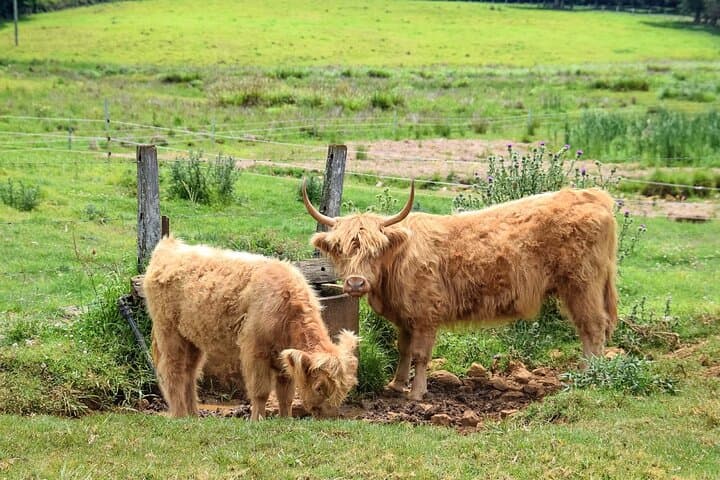
You step off the air‑conditioned coach into a farmyard where hens peck and tropical fruit hangs heavy from low branches—Byron Bay’s rural edge feels immediate, tactile. The Farm at Byron Bay opens like a living museum of Pacific coastal agriculture: paddocks, beehives, and a workshop where bread and flower‑arranging are shown as practical crafts.
Verified experiences and guided adventures in the surrounding area.
Operated by AUSINO TOURISM PTY LTD · Byron Bay, New South Wales
You step off the air‑conditioned coach into a farmyard where hens peck and tropical fruit hangs heavy from low branches—Byron Bay’s rural edge feels immediate, tactile. The Farm at Byron Bay opens like a living museum of Pacific coastal agriculture: paddocks, beehives, and a workshop where bread and flower‑arranging are shown as practical crafts.
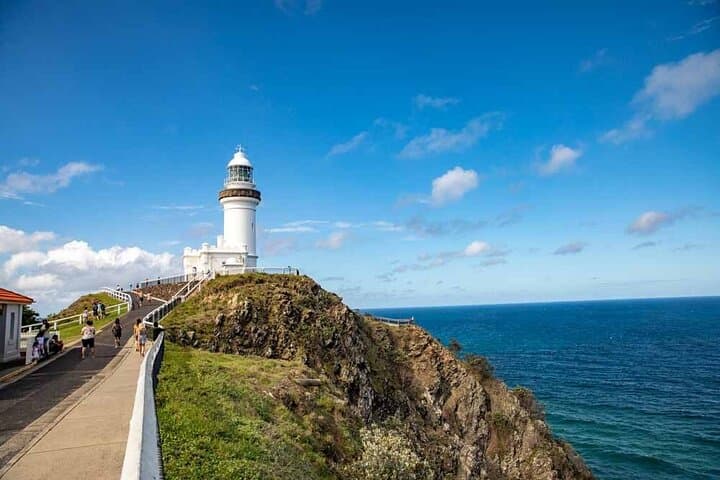
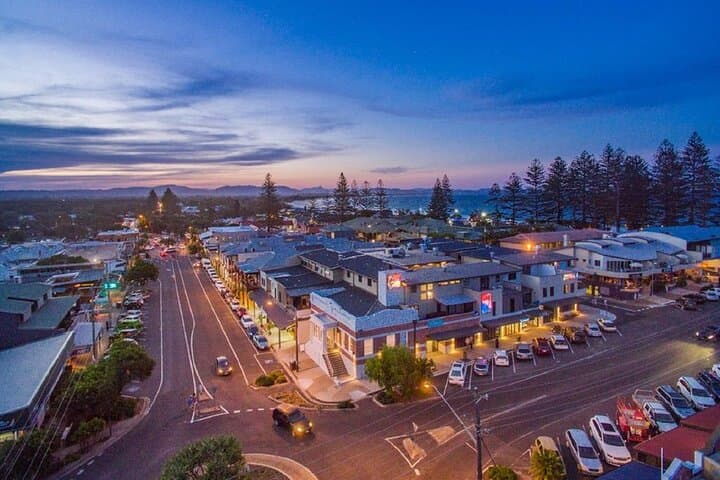
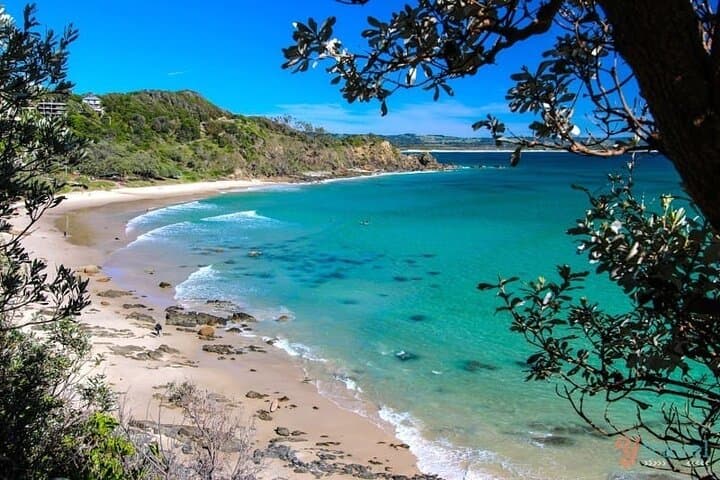
The route moves from farm to Lake Ainsworth—known locally as the tea‑tree or “blood‑red” lake—where tannins from shore vegetation stain the water a deep amber. Geologically the coastline is a mix of evolved sand dune systems and eroded headlands; the lighthouse sits on the oldest exposed rock here, watching the Tasman Sea. Byron’s contemporary culture is visible in the town centre: surf shops, cafés, and traces of 1970s counterculture that reshaped the town from a whaling outpost into a creative hub.
Expect guided time allocations: about 2 hours on the farm, an hour at Lake Ainsworth, two hours in town, and roughly 2–3 hours exploring the lighthouse and cliff walk. The Cape Byron walk is compact, with short, steep sections and guardrails on exposed cliff edges—good shoes matter.
Practical guidance: bring sun protection, a refillable water bottle, and light layers; plan for a 1.5–2 hour drive if joining from the Gold Coast. Swimming in Lake Ainsworth is common but check conditions and follow local signage. Travel with respect for Arakwal Country—look, listen and leave minimal trace.
easy.
7–8 hours.
Suitable for most fitness levels—requires standing, short walks and negotiating some uneven terrain.
The tour runs about 7–8 hours and includes bottled water, GST and parking fees; it covers The Farm, Lake Ainsworth, Byron Bay town and the Cape Byron Lighthouse.
Booking is recommended; this tour meets participants at designated start points (usually hotel fronts or a car park) rather than providing door‑to‑door pickup.
Swimming is commonly allowed—bring swimwear and a towel—but always follow local signage and guide advice about current conditions.
The activity notes indicate stroller access and infant seats are available, but some lighthouse paths have steps—check with the operator for specific mobility needs.
Byron Bay occupies Arakwal Country and shifted from 19th‑century whaling and timber industries to a counterculture and creative hub in the 20th century.
The area includes protected marine zones and dune restoration projects; visitors are encouraged to stick to paths, avoid disturbing wildlife, and support local sustainable businesses.
AUSINO TOURISM PTY LTD operates guided outdoor trips and adventures with an emphasis on safety, stewardship, and memorable experiences.
You step off the air‑conditioned coach into a farmyard where hens peck and tropical fruit hangs heavy from low branches—Byron Bay’s rural edge feels immediate, tactile. The Farm at Byron Bay opens like a living museum of Pacific coastal agriculture: paddocks, beehives, and a workshop where bread and flower‑arranging are shown as practical crafts.
You step off the air‑conditioned coach into a farmyard where hens peck and tropical fruit hangs heavy from low branches—Byron Bay’s rural edge feels immediate, tactile. The Farm at Byron Bay opens like a living museum of Pacific coastal agriculture: paddocks, beehives, and a workshop where bread and flower‑arranging are shown as practical crafts.
The route moves from farm to Lake Ainsworth—known locally as the tea‑tree or “blood‑red” lake—where tannins from shore vegetation stain the water a deep amber. Geologically the coastline is a mix of evolved sand dune systems and eroded headlands; the lighthouse sits on the oldest exposed rock here, watching the Tasman Sea. Byron’s contemporary culture is visible in the town centre: surf shops, cafés, and traces of 1970s counterculture that reshaped the town from a whaling outpost into a creative hub.
Expect guided time allocations: about 2 hours on the farm, an hour at Lake Ainsworth, two hours in town, and roughly 2–3 hours exploring the lighthouse and cliff walk. The Cape Byron walk is compact, with short, steep sections and guardrails on exposed cliff edges—good shoes matter.
Practical guidance: bring sun protection, a refillable water bottle, and light layers; plan for a 1.5–2 hour drive if joining from the Gold Coast. Swimming in Lake Ainsworth is common but check conditions and follow local signage. Travel with respect for Arakwal Country—look, listen and leave minimal trace.