THE ADVENTURE COLLECTIVE® · Independent discovery and booking for outdoor travel

Grab a spray can, take a guided spin through stencil and aerosol technique, and leave with your own mini-canvas. This 90-minute BYOB workshop in Uptown Chicago mixes local artist instruction with hands-on practice in a ventilated studio space.
Grab a spray can, take a guided spin through stencil and aerosol technique, and leave with your own mini-canvas. This 90-minute BYOB workshop in Uptown Chicago mixes local artist instruction with hands-on practice in a ventilated studio space.
The studio door opens onto Lawrence Avenue and the city air tastes faintly of exhaust and possibility. Inside Studio W.I.P., aerosol canisters hiss like captive storms, stencils wait like maps, and a communal wall of mini-canvases invites first-timers to make a mark.
Verified experiences and guided adventures in the surrounding area.
Operated by Studio W.I.P. · Chicago, IL
The studio door opens onto Lawrence Avenue and the city air tastes faintly of exhaust and possibility. Inside Studio W.I.P., aerosol canisters hiss like captive storms, stencils wait like maps, and a communal wall of mini-canvases invites first-timers to make a mark.
Chicago’s street-art scene grew from the graffiti crews of the 1970s into a layered public gallery: murals by festivals, ad-hoc throw-ups on service alleys, and commissioned pieces that push color onto former brick blanks. Uptown itself carries a mix of entertainment history and immigrant communities that shaped the neighborhood’s gritty, creative energy.
Geologically the city sits on a glacial plain beside Lake Michigan; that flatness turned neighborhoods into canvases rather than barriers, letting art stretch along corridors and decay into new surfaces. Culturally, the workshop ties into a larger tradition of accessible creative practice—local artists lead technique demos on aerosol control, stenciling, and basic graffiti lettering.
Practical guidance: the 90-minute session focuses on aerosol application and stencil work and is BYOB. Materials and mini-canvas are provided, but wear older clothes and bring ID for alcohol. The operator cautions guests with respiratory issues; ventilation reduces paint fume buildup but a respirator is recommended for sensitive participants. Arrive early to pick a spot, expect hands-on rotations through spray stations, and prepare to take home your own piece from the communal wall.
Studio W.I.P. is an approachable entry point to street art—educational, social, and sensory—with clear rules about safety and respect for technique that keep the focus on learning and making.
easy.
90 minutes.
Minimal physical exertion; requires standing, light lifting of small canvases, and fine motor control for spray technique
No—this workshop is designed for beginners and includes guided instruction on aerosol, stencil, and basic graffiti techniques.
Materials are provided, but check with the studio ahead of time if you prefer or need to use personal cans; safety rules still apply.
Yes—Studio W.I.P. lists wheelchair-accessible facilities and surfaces; mention accessibility needs when booking.
The studio warns that it’s not recommended for guests with serious lung or breathing conditions due to aerosol use; consider observing rather than spraying.
Uptown grew as an entertainment and immigrant hub in the early 20th century; its mix of theaters and cheap rents helped incubate creative scenes, including street art.
Use of aerosols raises disposal and fume concerns—follow studio guidance on can disposal and prefer water-based paints when available to reduce VOC impact.
Studio W.I.P. operates guided outdoor trips and adventures with an emphasis on safety, stewardship, and memorable experiences.
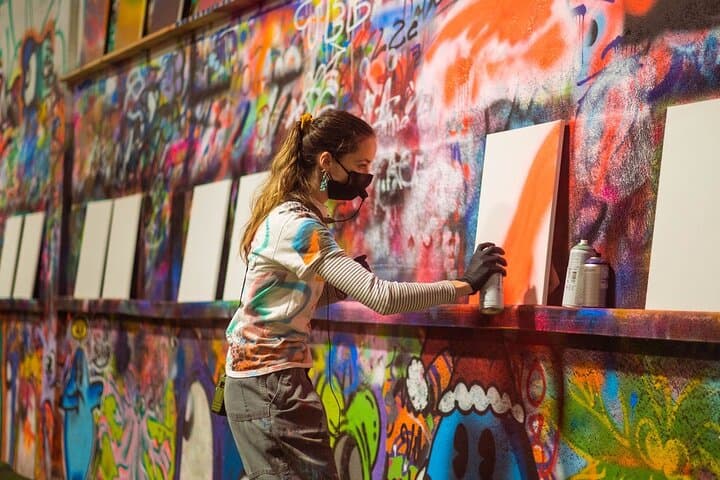
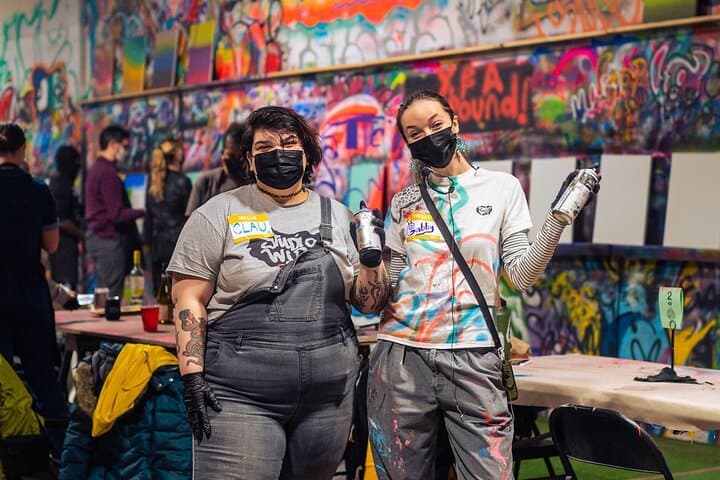
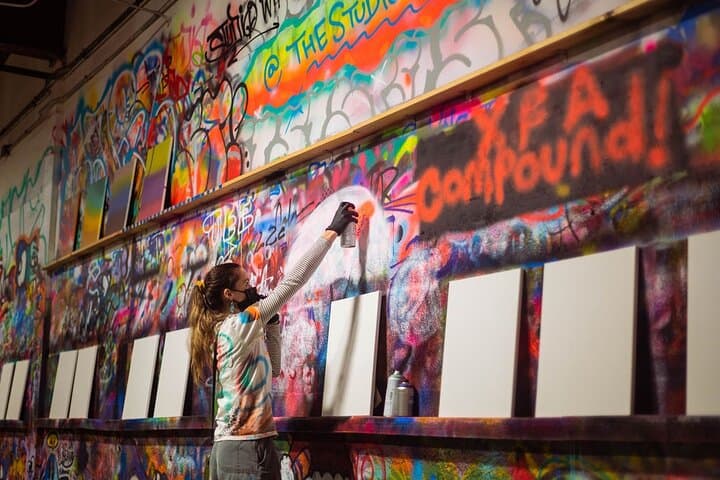
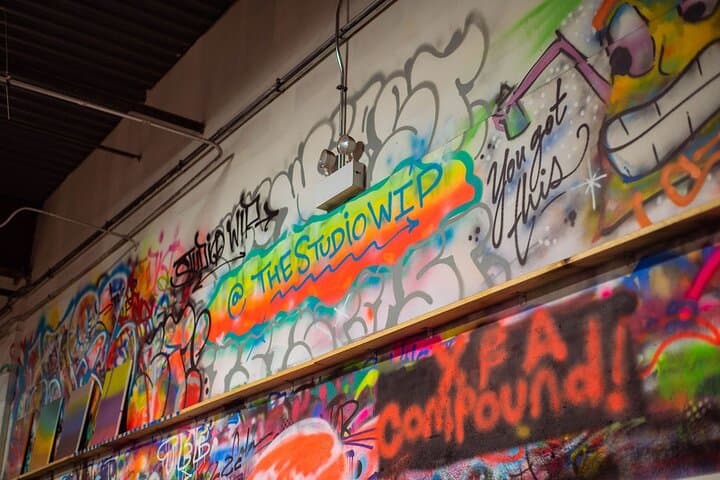
The studio door opens onto Lawrence Avenue and the city air tastes faintly of exhaust and possibility. Inside Studio W.I.P., aerosol canisters hiss like captive storms, stencils wait like maps, and a communal wall of mini-canvases invites first-timers to make a mark.
The studio door opens onto Lawrence Avenue and the city air tastes faintly of exhaust and possibility. Inside Studio W.I.P., aerosol canisters hiss like captive storms, stencils wait like maps, and a communal wall of mini-canvases invites first-timers to make a mark.
Chicago’s street-art scene grew from the graffiti crews of the 1970s into a layered public gallery: murals by festivals, ad-hoc throw-ups on service alleys, and commissioned pieces that push color onto former brick blanks. Uptown itself carries a mix of entertainment history and immigrant communities that shaped the neighborhood’s gritty, creative energy.
Geologically the city sits on a glacial plain beside Lake Michigan; that flatness turned neighborhoods into canvases rather than barriers, letting art stretch along corridors and decay into new surfaces. Culturally, the workshop ties into a larger tradition of accessible creative practice—local artists lead technique demos on aerosol control, stenciling, and basic graffiti lettering.
Practical guidance: the 90-minute session focuses on aerosol application and stencil work and is BYOB. Materials and mini-canvas are provided, but wear older clothes and bring ID for alcohol. The operator cautions guests with respiratory issues; ventilation reduces paint fume buildup but a respirator is recommended for sensitive participants. Arrive early to pick a spot, expect hands-on rotations through spray stations, and prepare to take home your own piece from the communal wall.
Studio W.I.P. is an approachable entry point to street art—educational, social, and sensory—with clear rules about safety and respect for technique that keep the focus on learning and making.