THE ADVENTURE COLLECTIVE® · Independent discovery and booking for outdoor travel

Spend three days tracking mountain gorillas in Bwindi’s Rushaga sector. This compact guide covers the landscape, cultural context, logistics and practical tips for a safe and responsible gorilla encounter.
Spend three days tracking mountain gorillas in Bwindi’s Rushaga sector. This compact guide covers the landscape, cultural context, logistics and practical tips for a safe and responsible gorilla encounter.
Fog lifts off the slopes as you step from the lodge into an old-growth rainforest that feels almost primeval—moss-covered trunks, damp leaf litter, and vines that tug at your sleeves. The Rushaga sector of Bwindi Impenetrable National Park presses inward; trails climb and fall through bamboo groves and steep ridgelines before opening to the clearing where trackers signal gorilla family movement.
Verified experiences and guided adventures in the surrounding area.
Operated by Gatsio Safariz · Kisoro, Kisoro District
Fog lifts off the slopes as you step from the lodge into an old-growth rainforest that feels almost primeval—moss-covered trunks, damp leaf litter, and vines that tug at your sleeves. The Rushaga sector of Bwindi Impenetrable National Park presses inward; trails climb and fall through bamboo groves and steep ridgelines before opening to the clearing where trackers signal gorilla family movement.
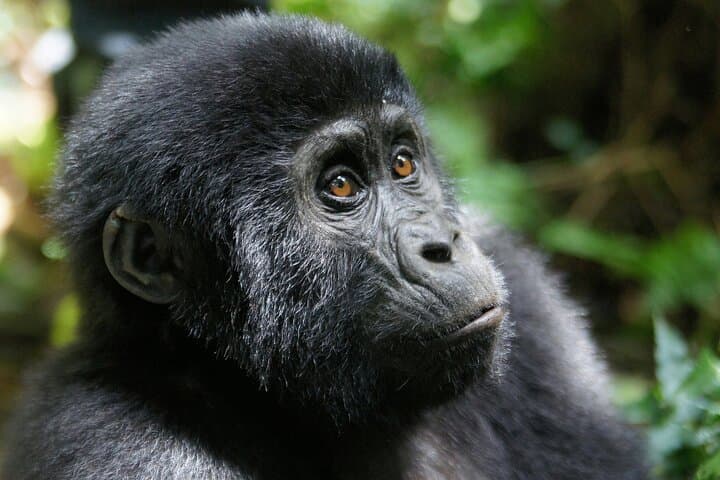
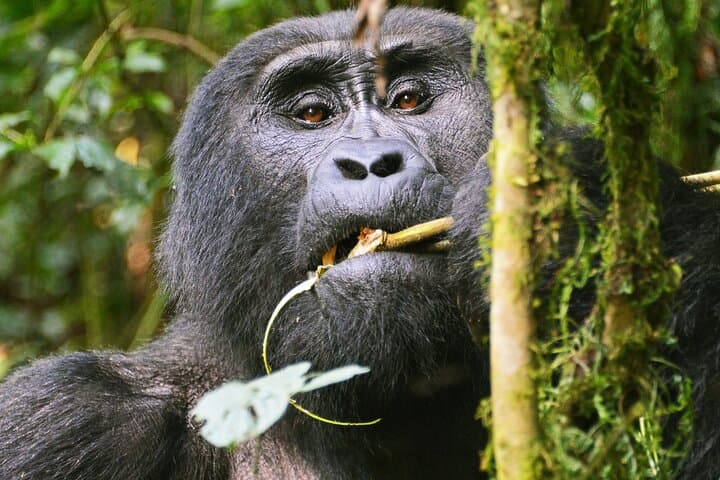
Bwindi is one of Africa’s last refuges for mountain gorillas, a landscape carved by ancient volcanic activity and rain-driven erosion that created deep valleys and persistent cloud cover. The Batwa people have lived around this forest for generations; today tourism supports both local lodges and conservation work that funds anti-poaching patrols and community projects.
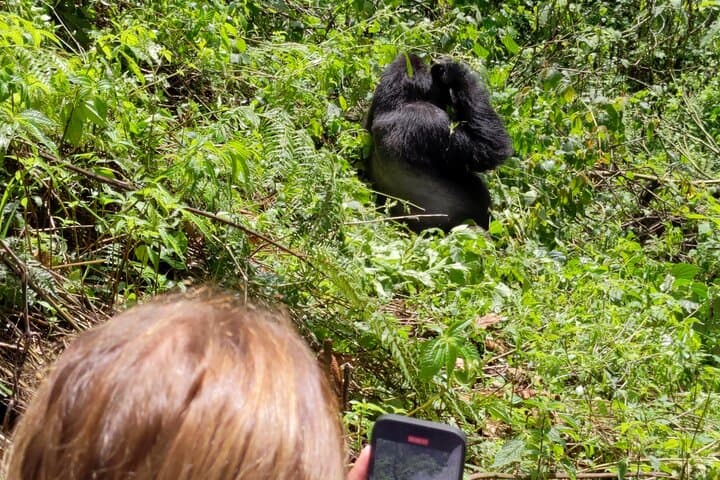
A typical 3-day itinerary includes a long drive from Kampala with a stop at the Equator, an early-morning briefing at the Rushaga tracking center, and a single intense gorilla encounter lasting up to an hour. Expect steep, often muddy terrain, variable elevation and periods of slow, cautious hiking as trackers follow footprints and broken stems. Masks are required to reduce disease risk to gorillas, and guides enforce a strict viewing distance and one-hour limit.
Practical notes: bring waterproof boots and gaiters, carry at least 2 liters of water, and be ready for sudden weather changes. Permit fees and park rules are handled through the operator; pack small bills for tips. For photographers, long lenses and quiet movements are essential. The trip is as much about patience and respect as it is about the reward: close, unforgettable encounters with one of the planet’s most intelligent and vulnerable species.
moderate.
3 days (main trek day 3–6 hours).
Should be able to hike 2–6 hours over uneven, steep ground and variable footing; moderate aerobic fitness recommended
Yes—visitors must have a park-issued permit for gorilla trekking; permits are limited and often booked well in advance.
Once found, visitors typically spend up to one hour with a gorilla family under guide supervision to minimize disturbance.
Trails vary; some groups encounter short, easy walks while others require steep, muddy hiking—fitness and mobility affect the experience.
Yes—masks are required near gorillas, and guides will ask anyone who is ill to avoid contact to protect the animals.
Bwindi’s forest is ancient, with human habitation by the Batwa hunter-gatherers for centuries; formal protection increased in the late 20th century as gorilla conservation became urgent.
Gorilla tourism directly funds anti-poaching patrols and community programs, but strict rules limit contact time, enforce mask use, and control visitor numbers to reduce ecological impact.
Gatsio Safariz operates guided outdoor trips and adventures with an emphasis on safety, stewardship, and memorable experiences.
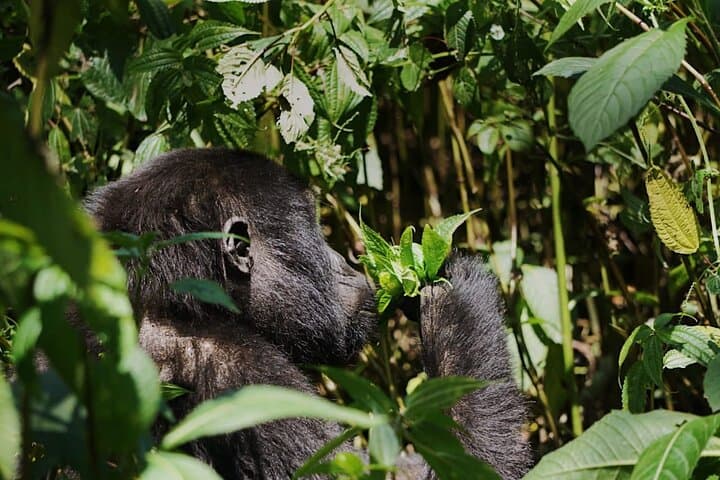
Fog lifts off the slopes as you step from the lodge into an old-growth rainforest that feels almost primeval—moss-covered trunks, damp leaf litter, and vines that tug at your sleeves. The Rushaga sector of Bwindi Impenetrable National Park presses inward; trails climb and fall through bamboo groves and steep ridgelines before opening to the clearing where trackers signal gorilla family movement.
Fog lifts off the slopes as you step from the lodge into an old-growth rainforest that feels almost primeval—moss-covered trunks, damp leaf litter, and vines that tug at your sleeves. The Rushaga sector of Bwindi Impenetrable National Park presses inward; trails climb and fall through bamboo groves and steep ridgelines before opening to the clearing where trackers signal gorilla family movement.
Bwindi is one of Africa’s last refuges for mountain gorillas, a landscape carved by ancient volcanic activity and rain-driven erosion that created deep valleys and persistent cloud cover. The Batwa people have lived around this forest for generations; today tourism supports both local lodges and conservation work that funds anti-poaching patrols and community projects.
A typical 3-day itinerary includes a long drive from Kampala with a stop at the Equator, an early-morning briefing at the Rushaga tracking center, and a single intense gorilla encounter lasting up to an hour. Expect steep, often muddy terrain, variable elevation and periods of slow, cautious hiking as trackers follow footprints and broken stems. Masks are required to reduce disease risk to gorillas, and guides enforce a strict viewing distance and one-hour limit.
Practical notes: bring waterproof boots and gaiters, carry at least 2 liters of water, and be ready for sudden weather changes. Permit fees and park rules are handled through the operator; pack small bills for tips. For photographers, long lenses and quiet movements are essential. The trip is as much about patience and respect as it is about the reward: close, unforgettable encounters with one of the planet’s most intelligent and vulnerable species.