THE ADVENTURE COLLECTIVE® · Independent discovery and booking for outdoor travel

Spend three nights in Bwindi Impenetrable Forest tracking mountain gorillas on guided treks, meeting Batwa culture, and driving through Uganda’s steep, green hills. Practical guidance on permits, terrain, and what to pack helps you plan this once-in-a-lifetime wildlife encounter.
Spend three nights in Bwindi Impenetrable Forest tracking mountain gorillas on guided treks, meeting Batwa culture, and driving through Uganda’s steep, green hills. Practical guidance on permits, terrain, and what to pack helps you plan this once-in-a-lifetime wildlife encounter.
Mist hangs low over stunted afro-montane trees as your guide parts a curtain of moss and ferns — the forest smells of wet earth and coffee. On a gorilla trek in Bwindi you move quietly, boots sinking into soft leaf litter, following animal trails that thread through a tangle of vines and giant figs. The payoff is abrupt: a family of mountain gorillas going about their day, curious, slow, and startlingly expressive.
Verified experiences and guided adventures in the surrounding area.
Operated by SAFARI RETREATS AFRICA · Kisoro, Kabale District
Mist hangs low over stunted afro-montane trees as your guide parts a curtain of moss and ferns — the forest smells of wet earth and coffee. On a gorilla trek in Bwindi you move quietly, boots sinking into soft leaf litter, following animal trails that thread through a tangle of vines and giant figs. The payoff is abrupt: a family of mountain gorillas going about their day, curious, slow, and startlingly expressive.
Bwindi sits on the western edge of the Albertine Rift, a rugged section of the East African Rift system that created steep ridges, deep valleys, and the microclimates that sustain this forest. The Batwa people were long-time forest stewards; Bwindi became a protected area in the late 20th century and was named a UNESCO World Heritage Site in 1994 to protect its unique biodiversity, including half of the world’s remaining mountain gorillas.
Expect steep, uneven trails with short, intense climbs and occasional swampy sections. Treks often last 2–6 hours depending on gorilla movements; once located, visitors may spend up to one hour with a group under ranger supervision. Local culture surfaces in village coffee-brew demonstrations and Batwa-led walks that explain forest life and traditional uses of plants.
Practical notes: gorilla permits are mandatory (approximately US$700); bring waterproof layers, gaiters, and a camera with a quiet shutter and 200–400mm reach. Carry water, insect repellent, and trekking poles if you use them. Respect ranger instructions closely — distance rules and silence protocols protect both you and the gorillas. Visit in the drier months for firmer trails, and budget extra time for the scenic drive via Kabale and the Equator photo stop before your departure.
moderate.
2–6 hours per trek.
Moderate fitness: expect sustained uphill and downhill hiking on uneven terrain; regular walkers will manage well
Trek times vary because gorilla groups move; expect 2–6 hours of hiking, with up to 60 minutes allowed at the group once located.
Yes — a permit is mandatory and limited; current cost is approximately US$700 per person and is usually included or arranged through your operator.
Encounters are generally safe when rules are followed — rangers manage distances and visitor behavior to reduce disease risk and stress to gorillas.
Moderate fitness is required: hikers should handle uneven terrain, uphill sections, and several hours on foot; those with serious cardiovascular issues should avoid the trek.
The Batwa forest people have lived in the area for generations; Bwindi was designated a protected area in the late 20th century and became a UNESCO World Heritage Site in 1994.
Gorilla permit fees fund park conservation and local community projects; follow park rules and minimize impacts by staying on trails and avoiding single-use plastics.
SAFARI RETREATS AFRICA operates guided outdoor trips and adventures with an emphasis on safety, stewardship, and memorable experiences.
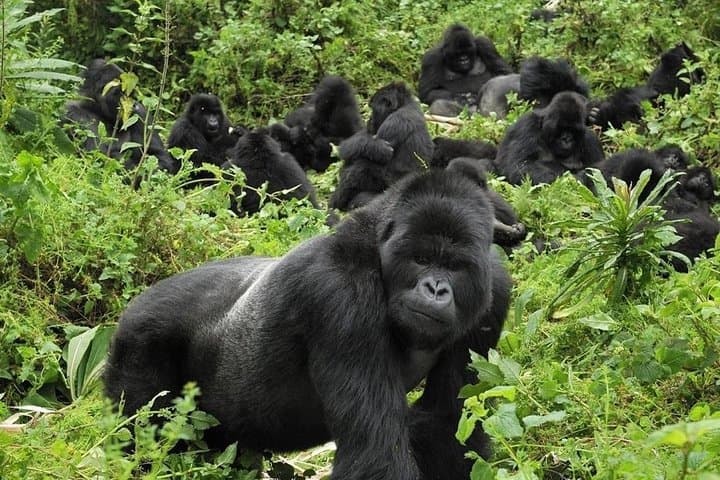
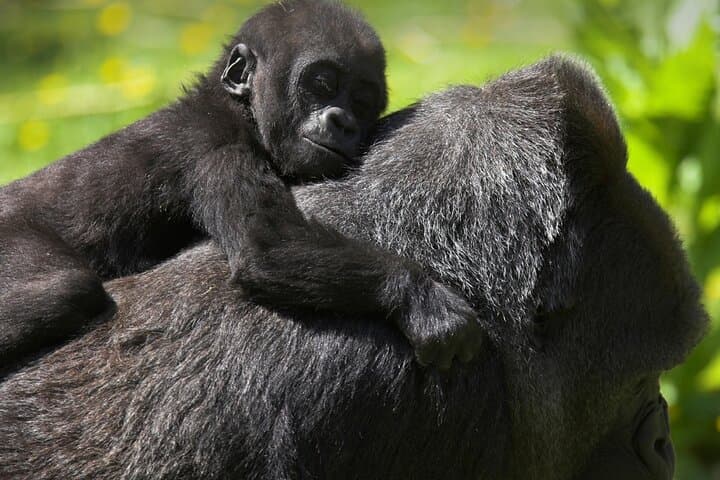
Mist hangs low over stunted afro-montane trees as your guide parts a curtain of moss and ferns — the forest smells of wet earth and coffee. On a gorilla trek in Bwindi you move quietly, boots sinking into soft leaf litter, following animal trails that thread through a tangle of vines and giant figs. The payoff is abrupt: a family of mountain gorillas going about their day, curious, slow, and startlingly expressive.
Mist hangs low over stunted afro-montane trees as your guide parts a curtain of moss and ferns — the forest smells of wet earth and coffee. On a gorilla trek in Bwindi you move quietly, boots sinking into soft leaf litter, following animal trails that thread through a tangle of vines and giant figs. The payoff is abrupt: a family of mountain gorillas going about their day, curious, slow, and startlingly expressive.
Bwindi sits on the western edge of the Albertine Rift, a rugged section of the East African Rift system that created steep ridges, deep valleys, and the microclimates that sustain this forest. The Batwa people were long-time forest stewards; Bwindi became a protected area in the late 20th century and was named a UNESCO World Heritage Site in 1994 to protect its unique biodiversity, including half of the world’s remaining mountain gorillas.
Expect steep, uneven trails with short, intense climbs and occasional swampy sections. Treks often last 2–6 hours depending on gorilla movements; once located, visitors may spend up to one hour with a group under ranger supervision. Local culture surfaces in village coffee-brew demonstrations and Batwa-led walks that explain forest life and traditional uses of plants.
Practical notes: gorilla permits are mandatory (approximately US$700); bring waterproof layers, gaiters, and a camera with a quiet shutter and 200–400mm reach. Carry water, insect repellent, and trekking poles if you use them. Respect ranger instructions closely — distance rules and silence protocols protect both you and the gorillas. Visit in the drier months for firmer trails, and budget extra time for the scenic drive via Kabale and the Equator photo stop before your departure.