THE ADVENTURE COLLECTIVE® · Independent discovery and booking for outdoor travel

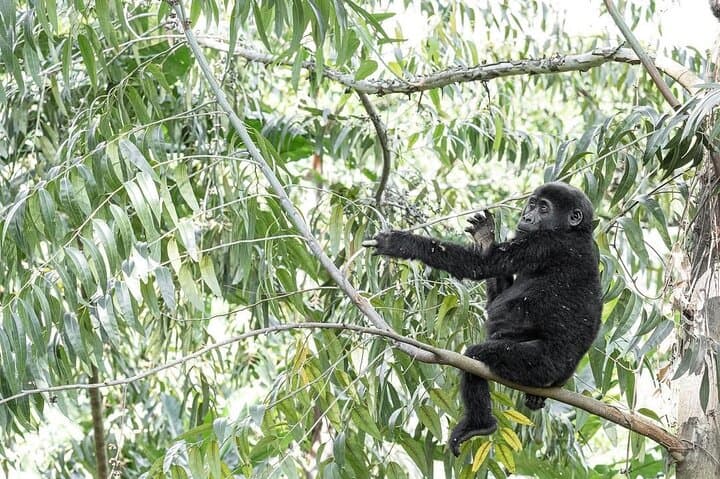
A five-day guided circuit from Entebbe that pairs chimp trekking in Kibale with gorilla encounters in Bwindi. Expect long transfers, permit-based treks, and intimate time with two of Africa’s most iconic primates.
A five-day guided circuit from Entebbe that pairs chimp trekking in Kibale with gorilla encounters in Bwindi. Expect long transfers, permit-based treks, and intimate time with two of Africa’s most iconic primates.
You step off the dusty track into a wall of green: ferns drip with rain, lianas reach like hands and the forest seems to lean in, curious.
Verified experiences and guided adventures in the surrounding area.
Operated by Bashem Safaris Tours and Travel · Buhoma, Kisoro District
You step off the dusty track into a wall of green: ferns drip with rain, lianas reach like hands and the forest seems to lean in, curious.
This five-day route threads two of Uganda’s most biodiverse places—Kibale’s chimps and Bwindi’s mountain gorillas—so expect shifting terrain: soft, root-strewn trails in Kibale, sharp, mossy slopes in Bwindi. The land here is ancient; the Rwenzori foothills and Albertine Rift helped shape isolated forests that allowed primates to evolve differently from surrounding savanna species. Local Batwa and Bakiga communities have lived alongside these forests for generations and often offer cultural visits that illuminate traditional forest uses.
Trekking is guided and permit-driven: chimp and gorilla permits are required and time-limited, and briefings cover strict etiquette—no flashes, no food near primates, and keep movement slow. Practically, pack waterproof layers, ankle-support boots, gaiters and at least 2–3 liters of water for daily treks. Days begin early to catch animal activity and avoid afternoon rain; trails can be muddy and steep, so you’ll trade speed for careful footing and long, memorable eye contact.
Photography is possible but respectful distance rules apply; expect to spend up to an hour with a gorilla group when found. Transfers are long—plan for multi-hour drives or a domestic flight depending on your itinerary. Hydrate before and during hikes, carry biodegradable wipes, and budget for local tips and community visits that directly support conservation.
This tour is an intense, intimate wildlife experience—bring patience, steady shoes and an appetite for up-close encounters with some of Earth’s last wild great apes.
moderate.
5 days.
Moderate fitness—able to hike uneven, steep trails for several hours with breaks; not technical but can be physically demanding
Yes—permits are required for both chimp and gorilla treks and are often arranged by the tour operator; they are limited and should be booked well in advance.
Trek length varies—from one hour to several hours depending on animal location; once found you typically spend up to one hour with a gorilla group.
Trekking can be steep and slippery; parks advise against participation for those with serious mobility or cardiovascular issues and for pregnant women—check specific age restrictions on permits.
Yellow fever vaccination is recommended for Uganda entry; keep routine vaccines current and consult a travel clinic about malaria prophylaxis before travel.
Bwindi’s remnant forest survived as an island of high-elevation rainforest in the Albertine Rift, preserving species isolated from surrounding ecosystems; local communities like the Batwa have deep cultural ties to the forest.
Strict permit systems and revenue-sharing help fund park protection and community projects; visitors are urged to follow etiquette to minimize disease transmission and disturbance.
Bashem Safaris Tours and Travel operates guided outdoor trips and adventures with an emphasis on safety, stewardship, and memorable experiences.

You step off the dusty track into a wall of green: ferns drip with rain, lianas reach like hands and the forest seems to lean in, curious.
You step off the dusty track into a wall of green: ferns drip with rain, lianas reach like hands and the forest seems to lean in, curious.
This five-day route threads two of Uganda’s most biodiverse places—Kibale’s chimps and Bwindi’s mountain gorillas—so expect shifting terrain: soft, root-strewn trails in Kibale, sharp, mossy slopes in Bwindi. The land here is ancient; the Rwenzori foothills and Albertine Rift helped shape isolated forests that allowed primates to evolve differently from surrounding savanna species. Local Batwa and Bakiga communities have lived alongside these forests for generations and often offer cultural visits that illuminate traditional forest uses.
Trekking is guided and permit-driven: chimp and gorilla permits are required and time-limited, and briefings cover strict etiquette—no flashes, no food near primates, and keep movement slow. Practically, pack waterproof layers, ankle-support boots, gaiters and at least 2–3 liters of water for daily treks. Days begin early to catch animal activity and avoid afternoon rain; trails can be muddy and steep, so you’ll trade speed for careful footing and long, memorable eye contact.
Photography is possible but respectful distance rules apply; expect to spend up to an hour with a gorilla group when found. Transfers are long—plan for multi-hour drives or a domestic flight depending on your itinerary. Hydrate before and during hikes, carry biodegradable wipes, and budget for local tips and community visits that directly support conservation.
This tour is an intense, intimate wildlife experience—bring patience, steady shoes and an appetite for up-close encounters with some of Earth’s last wild great apes.