THE ADVENTURE COLLECTIVE® · Independent discovery and booking for outdoor travel

A three-day journey from Kampala into Bwindi Impenetrable Forest leads to a one-hour, close-up encounter with mountain gorillas. Expect long drives, steep muddy trails, and a culturally rich stay supporting local conservation.
A three-day journey from Kampala into Bwindi Impenetrable Forest leads to a one-hour, close-up encounter with mountain gorillas. Expect long drives, steep muddy trails, and a culturally rich stay supporting local conservation.
You step off the road into a cathedral of moss-draped trees, mist hanging low and the forest sounds drawing closer—this is Bwindi Impenetrable Forest. The trail moves from rutted track to narrow root-strewn paths; every bend feels like a small reveal until trackers' radios crackle and the group slows, breath held as a family of mountain gorillas appears among the ferns.
Verified experiences and guided adventures in the surrounding area.
Operated by Mermar Safaris · Kisoro, Kisoro District
You step off the road into a cathedral of moss-draped trees, mist hanging low and the forest sounds drawing closer—this is Bwindi Impenetrable Forest. The trail moves from rutted track to narrow root-strewn paths; every bend feels like a small reveal until trackers' radios crackle and the group slows, breath held as a family of mountain gorillas appears among the ferns.
Bwindi is ancient rainforest carved across steep ridges in southwestern Uganda. Geologically its soils and slopes reflect volcanic activity and deep erosion; culturally the park sits alongside Batwa and Bakiga communities whose lives are entwined with the forest. Gorilla conservation here has been a hard-won success since the late 20th century, driven by careful protection and tourism that funnels revenue into local projects.
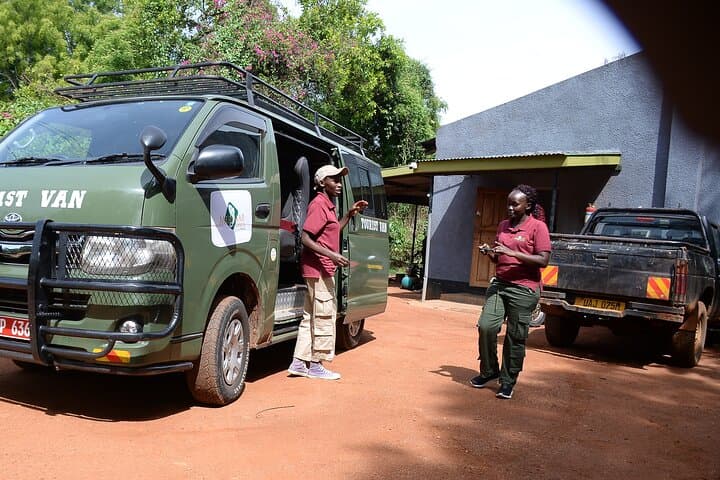
Practically, the trip runs three days from Kampala with long road transfers, village stopovers, and an early-morning briefing at the park headquarters. Gorilla permits limit viewing to one hour and require quiet, slow movement and a 7-meter distance when possible. Terrain is uneven, often muddy, with short steep sections—expect hours of hiking on day two as trackers locate the group.
Plan for changing weather: breathable layers, sturdy waterproof boots, and a light pack with snacks, water, and a camera. Follow guide directions on spacing and sanitation to protect the gorillas. Travel windows favor dry months (June–September, December–February) for firmer trails, but gorillas are viewable year-round. Respect the rules, support local guides and lodges, and this close encounter becomes a compact, unforgettable lesson in wildness and conservation.
moderate.
3 days (daily trekking: 2–8 hours).
Moderate fitness recommended—able to hike on uneven, steep, and sometimes muddy trails for several hours.
Yes—gorilla permits are mandatory, limited in number, and often must be purchased in advance through the park or tour operator.
Once located, visitors are allowed one hour to observe the gorillas under strict rules to minimize disturbance.
Dry months (June–September and December–February) typically offer firmer trails and easier hiking, though gorillas can be seen year-round.
Children under 15 are sometimes restricted; people with serious respiratory or spinal issues should consult guides—park rules and tour providers set final eligibility.
Bwindi's protection accelerated in the 1990s when international conservation efforts recognized its importance for the remaining population of mountain gorillas.
Permits, limited group sizes, strict hygiene rules and community revenue-sharing aim to minimize tourism impact and support long-term protection.
Mermar Safaris operates guided outdoor trips and adventures with an emphasis on safety, stewardship, and memorable experiences.
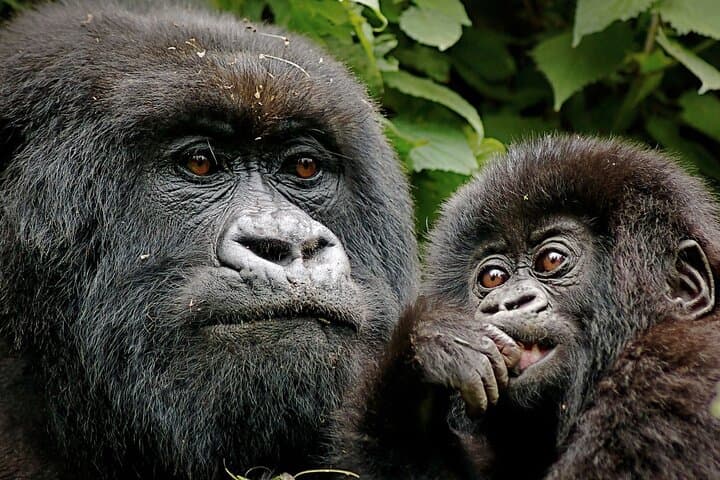
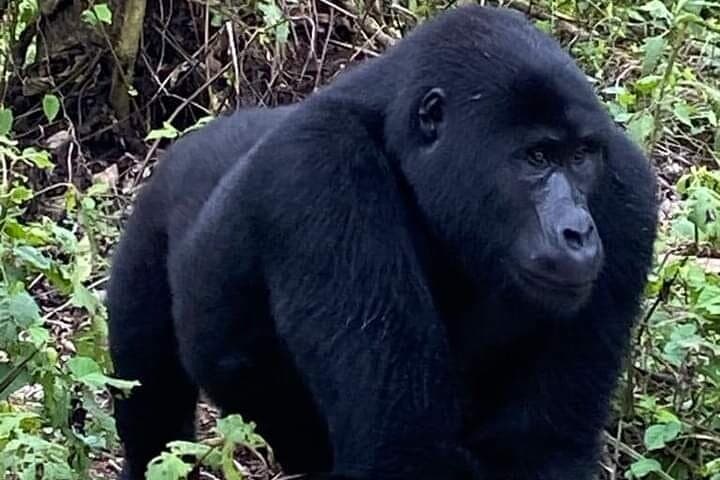
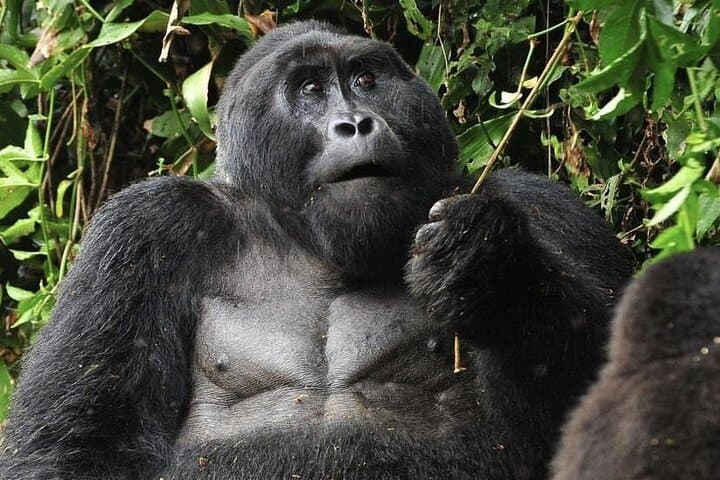
You step off the road into a cathedral of moss-draped trees, mist hanging low and the forest sounds drawing closer—this is Bwindi Impenetrable Forest. The trail moves from rutted track to narrow root-strewn paths; every bend feels like a small reveal until trackers' radios crackle and the group slows, breath held as a family of mountain gorillas appears among the ferns.
You step off the road into a cathedral of moss-draped trees, mist hanging low and the forest sounds drawing closer—this is Bwindi Impenetrable Forest. The trail moves from rutted track to narrow root-strewn paths; every bend feels like a small reveal until trackers' radios crackle and the group slows, breath held as a family of mountain gorillas appears among the ferns.
Bwindi is ancient rainforest carved across steep ridges in southwestern Uganda. Geologically its soils and slopes reflect volcanic activity and deep erosion; culturally the park sits alongside Batwa and Bakiga communities whose lives are entwined with the forest. Gorilla conservation here has been a hard-won success since the late 20th century, driven by careful protection and tourism that funnels revenue into local projects.
Practically, the trip runs three days from Kampala with long road transfers, village stopovers, and an early-morning briefing at the park headquarters. Gorilla permits limit viewing to one hour and require quiet, slow movement and a 7-meter distance when possible. Terrain is uneven, often muddy, with short steep sections—expect hours of hiking on day two as trackers locate the group.
Plan for changing weather: breathable layers, sturdy waterproof boots, and a light pack with snacks, water, and a camera. Follow guide directions on spacing and sanitation to protect the gorillas. Travel windows favor dry months (June–September, December–February) for firmer trails, but gorillas are viewable year-round. Respect the rules, support local guides and lodges, and this close encounter becomes a compact, unforgettable lesson in wildness and conservation.