THE ADVENTURE COLLECTIVE® · Independent discovery and booking for outdoor travel

Spend four days in Bwindi’s high-altitude rainforest where habituation sessions let you observe mountain gorillas up close while learning from trackers and the Batwa community. Prepare for muddy trails, strict rules, and an unforgettable wildlife immersion.
Spend four days in Bwindi’s high-altitude rainforest where habituation sessions let you observe mountain gorillas up close while learning from trackers and the Batwa community. Prepare for muddy trails, strict rules, and an unforgettable wildlife immersion.
Mornings in Bwindi begin under a low, wet sky; mist clings to the upper canopy and the ground smells of damp earth and decaying leaves. On day two you leave the road and step into the impenetrable forest—roots sliding underfoot, vines brushing shoulders—as guides lead you higher in search of a gorilla family. When the group appears, time compresses: slow, deliberate movements; the elders regard you with wary curiosity while young ones bound and play.
Verified experiences and guided adventures in the surrounding area.
Operated by Gatsio Safariz · Buhoma, Kisoro District
Mornings in Bwindi begin under a low, wet sky; mist clings to the upper canopy and the ground smells of damp earth and decaying leaves. On day two you leave the road and step into the impenetrable forest—roots sliding underfoot, vines brushing shoulders—as guides lead you higher in search of a gorilla family. When the group appears, time compresses: slow, deliberate movements; the elders regard you with wary curiosity while young ones bound and play.
Bwindi Impenetrable National Park occupies steep ridges carved by tectonic uplift and deep weathering; soil and rock here have created a dense montane rainforest that harbors the world’s remaining mountain gorillas. The Batwa people, original forest inhabitants, offer cultural context through songs and demonstrations of traditional hunting and medicinal plants on nearby community trails.
This habituation program is different from a standard trek: you may spend up to four hours with a group as researchers and guides deepen the gorillas’ tolerance for humans, offering richer behavioral viewing but also requiring patience and strict rules. Expect muddy, uneven trails, sudden elevation changes, and persistent moisture; trekking times vary from one to three hours to reach the group.
Practical guidance: bring sturdy waterproof boots, a breathable rain jacket, and layered clothing for quick temperature shifts. Cameras are allowed but maintain distance and follow guides’ instructions; sanitation and silence are mandatory to protect the animals. Book permits well in advance—permits are limited and the seasonality of rains affects trail conditions. With respect and preparation, this four-day itinerary pairs intense wildlife encounters with cultural learning and meaningful conservation impact.
moderate.
4 days.
Moderate cardiovascular fitness and ability to hike uneven, muddy trails for 1–3 hours at a time; not technical but requires stamina.
Yes—permits are required and allocated through Uganda Wildlife Authority; habituation permits are fewer than standard trekking permits, so book well in advance.
Guides set viewing distances to minimize disturbance; follow instructions—physical contact is prohibited and sanitation rules apply.
Yes—this itinerary notes suitability for all fitness levels, but you should be comfortable hiking uneven, muddy terrain for up to three hours at a stretch.
Confirm routine vaccinations and consult a travel clinic for yellow fever and malaria prevention; bring any personal medications and a basic first-aid kit.
Bwindi was set aside as protected forest in the 20th century and designated a UNESCO World Heritage site in 1994 for its exceptional biodiversity, including endangered mountain gorillas.
Tourism funds permit sales and ranger programs that directly support gorilla protection and community projects; follow park rules to minimize disease transmission and habitat impact.
Gatsio Safariz operates guided outdoor trips and adventures with an emphasis on safety, stewardship, and memorable experiences.
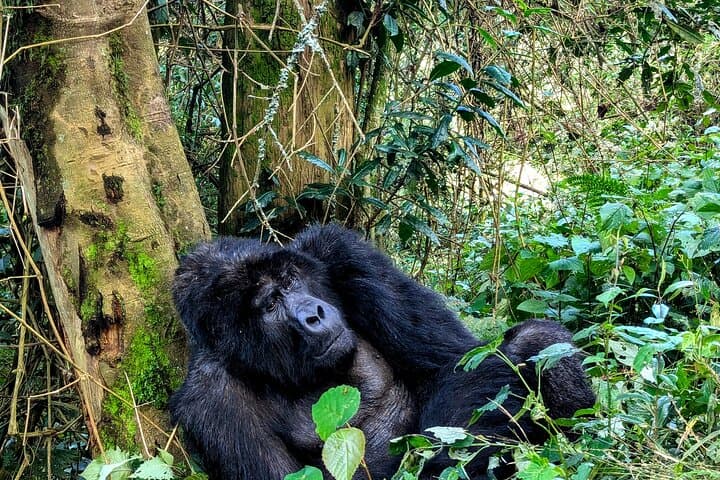
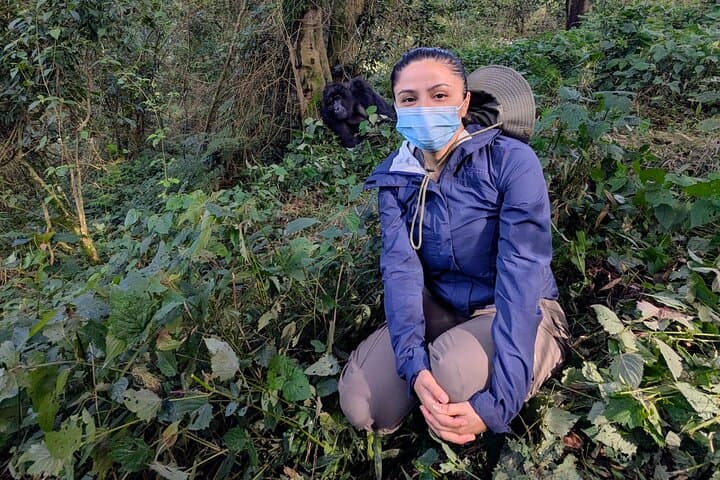
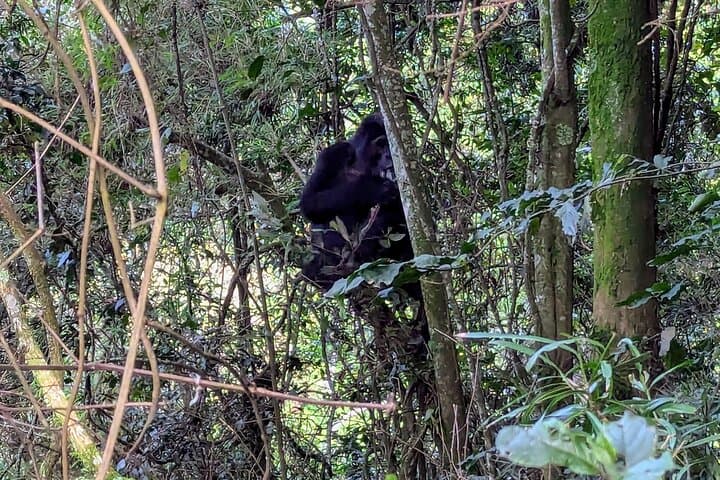
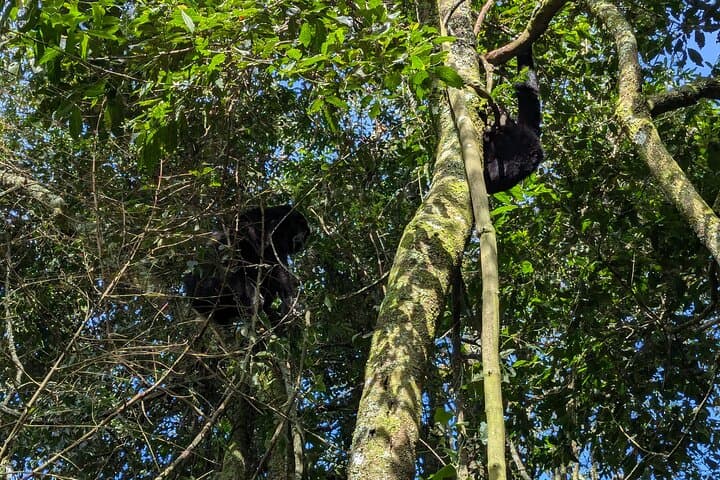
Mornings in Bwindi begin under a low, wet sky; mist clings to the upper canopy and the ground smells of damp earth and decaying leaves. On day two you leave the road and step into the impenetrable forest—roots sliding underfoot, vines brushing shoulders—as guides lead you higher in search of a gorilla family. When the group appears, time compresses: slow, deliberate movements; the elders regard you with wary curiosity while young ones bound and play.
Mornings in Bwindi begin under a low, wet sky; mist clings to the upper canopy and the ground smells of damp earth and decaying leaves. On day two you leave the road and step into the impenetrable forest—roots sliding underfoot, vines brushing shoulders—as guides lead you higher in search of a gorilla family. When the group appears, time compresses: slow, deliberate movements; the elders regard you with wary curiosity while young ones bound and play.
Bwindi Impenetrable National Park occupies steep ridges carved by tectonic uplift and deep weathering; soil and rock here have created a dense montane rainforest that harbors the world’s remaining mountain gorillas. The Batwa people, original forest inhabitants, offer cultural context through songs and demonstrations of traditional hunting and medicinal plants on nearby community trails.
This habituation program is different from a standard trek: you may spend up to four hours with a group as researchers and guides deepen the gorillas’ tolerance for humans, offering richer behavioral viewing but also requiring patience and strict rules. Expect muddy, uneven trails, sudden elevation changes, and persistent moisture; trekking times vary from one to three hours to reach the group.
Practical guidance: bring sturdy waterproof boots, a breathable rain jacket, and layered clothing for quick temperature shifts. Cameras are allowed but maintain distance and follow guides’ instructions; sanitation and silence are mandatory to protect the animals. Book permits well in advance—permits are limited and the seasonality of rains affects trail conditions. With respect and preparation, this four-day itinerary pairs intense wildlife encounters with cultural learning and meaningful conservation impact.