THE ADVENTURE COLLECTIVE® · Independent discovery and booking for outdoor travel

Walk Bushwick’s murals with a local guide and read the city’s layers of paint, politics, and practice. This two-hour tour mixes large-scale murals, hidden paste-ups, and practical insights into the neighborhood’s street-art scene.
Walk Bushwick’s murals with a local guide and read the city’s layers of paint, politics, and practice. This two-hour tour mixes large-scale murals, hidden paste-ups, and practical insights into the neighborhood’s street-art scene.
The tour begins at a coffee shop on Wyckoff Avenue, where the pavement already reads like a page from an evolving city sketchbook. Walls lean forward, colors arguing across corrugated steel and old brick, and the guide points out a mural whose layers date back a decade — paint over paint, an urban stratigraphy.
Verified experiences and guided adventures in the surrounding area.
Operated by Brooklyn Unplugged Tours · Brooklyn, New York
The tour begins at a coffee shop on Wyckoff Avenue, where the pavement already reads like a page from an evolving city sketchbook. Walls lean forward, colors arguing across corrugated steel and old brick, and the guide points out a mural whose layers date back a decade — paint over paint, an urban stratigraphy.
Bushwick's street art grew out of late-20th-century subway and graffiti culture and found new life when post-industrial warehouses became canvases. The neighborhood's buildings are the area's geology: brick, concrete, and corrugated metal that catch pigments differently and shape a mural's life span. Local culture here mixes community projects, commissioned murals, and guerrilla pieces that appear overnight.
On a two-hour walk, expect big-format murals, small paste-ups on lampposts, and stenciled tags tucked in alleys. Guides explain artists' influences, legal walls versus illicit pieces, and how murals can reflect neighborhood change and contention. You'll learn to tell a commissioned mural from an impromptu throw-up and how art dialogues with local businesses and residents.
Practical notes: the route is mostly flat pavement with several curb crossings and occasional rubble near warehouse entrances — comfortable closed-toe shoes and a charged phone for photos and transit are smart. The group moves at a steady urban pace; bring water and layer up for wind off nearby streets. Be respectful: do not touch fresh paint, avoid private property, and ask before photographing people. The tour is a compact way to read Bushwick's walls and leave with a clearer sense of how New York's street art lives and changes.
moderate.
2 hours.
Suitable for people who can walk 2–3 miles on flat urban terrain and stand for guided commentary; some curb steps are involved
Meet in front of Wyckoff-Starr coffee shop on Wyckoff Avenue (not Wyckoff Street). The guide will wait at the coffee shop entrance; arrive 10 minutes early.
The route is on city sidewalks with curb cuts at most intersections, but some storefronts and alleyways may be uneven; contact the operator for specific accessibility needs.
Yes, photography of public murals is generally allowed; avoid photographing private residences or people without consent and never touch fresh paint.
The tour operates in most weather but may be canceled for severe conditions; check the cancellation policy and dress appropriately for rain or wind.
Bushwick's graffiti scene grew from 1970s–80s subway and neighborhood graffiti and later expanded as artists moved into vacant industrial spaces, turning warehouses into outdoor galleries.
Street art is inherently ephemeral; respect works by not touching or removing them, and support legal mural programs and local artist-run initiatives to sustain creative space.
Brooklyn Unplugged Tours operates guided outdoor trips and adventures with an emphasis on safety, stewardship, and memorable experiences.
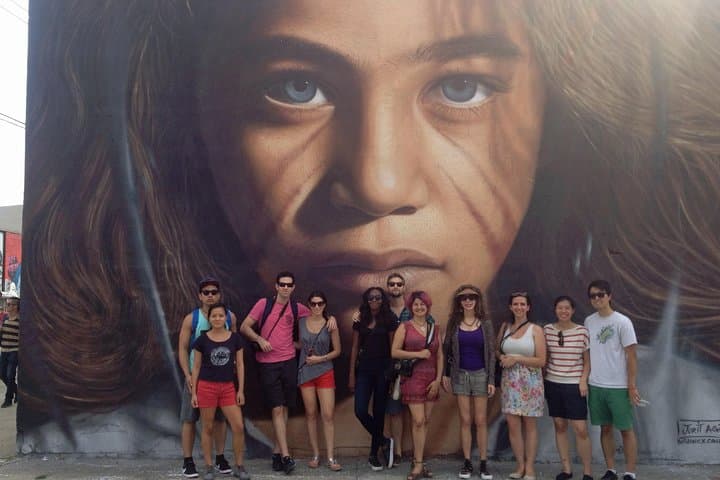
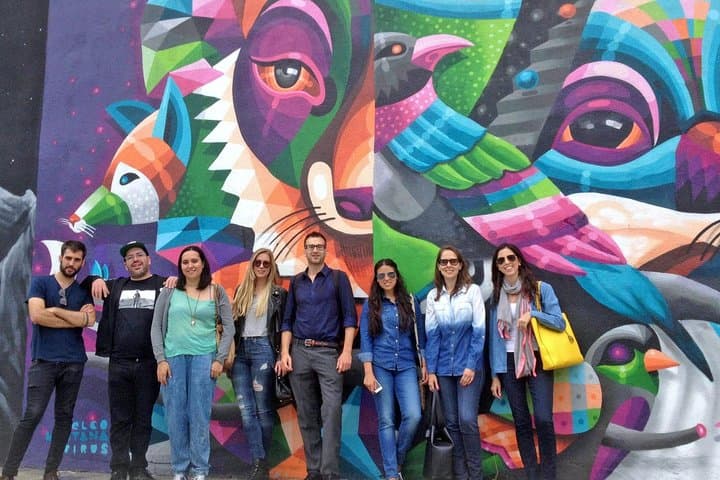
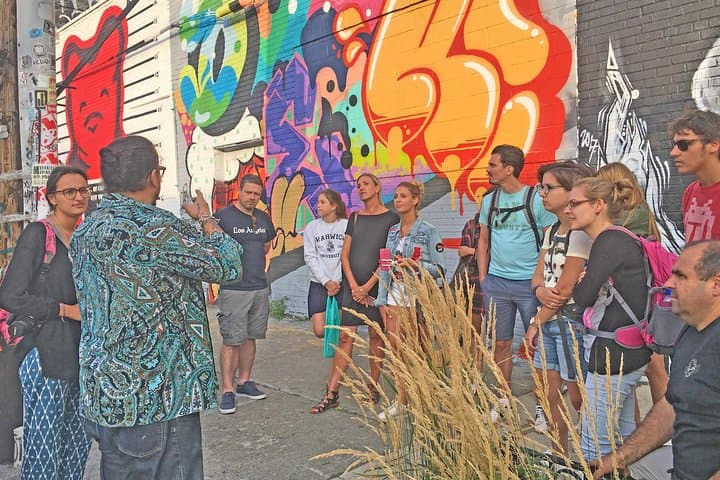
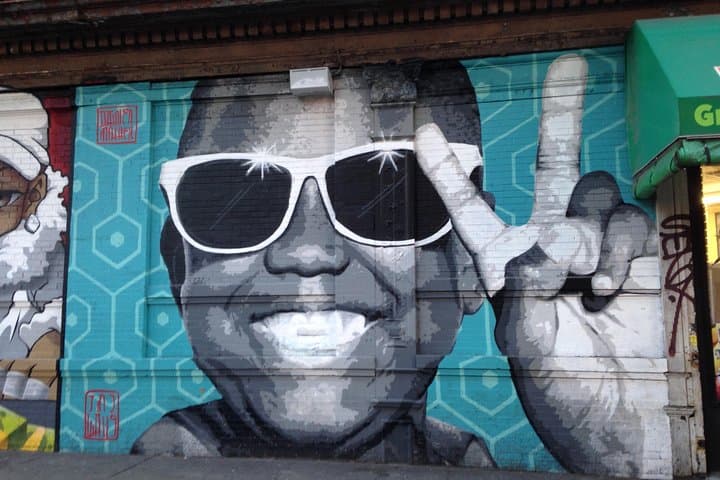
The tour begins at a coffee shop on Wyckoff Avenue, where the pavement already reads like a page from an evolving city sketchbook. Walls lean forward, colors arguing across corrugated steel and old brick, and the guide points out a mural whose layers date back a decade — paint over paint, an urban stratigraphy.
The tour begins at a coffee shop on Wyckoff Avenue, where the pavement already reads like a page from an evolving city sketchbook. Walls lean forward, colors arguing across corrugated steel and old brick, and the guide points out a mural whose layers date back a decade — paint over paint, an urban stratigraphy.
Bushwick's street art grew out of late-20th-century subway and graffiti culture and found new life when post-industrial warehouses became canvases. The neighborhood's buildings are the area's geology: brick, concrete, and corrugated metal that catch pigments differently and shape a mural's life span. Local culture here mixes community projects, commissioned murals, and guerrilla pieces that appear overnight.
On a two-hour walk, expect big-format murals, small paste-ups on lampposts, and stenciled tags tucked in alleys. Guides explain artists' influences, legal walls versus illicit pieces, and how murals can reflect neighborhood change and contention. You'll learn to tell a commissioned mural from an impromptu throw-up and how art dialogues with local businesses and residents.
Practical notes: the route is mostly flat pavement with several curb crossings and occasional rubble near warehouse entrances — comfortable closed-toe shoes and a charged phone for photos and transit are smart. The group moves at a steady urban pace; bring water and layer up for wind off nearby streets. Be respectful: do not touch fresh paint, avoid private property, and ask before photographing people. The tour is a compact way to read Bushwick's walls and leave with a clearer sense of how New York's street art lives and changes.