THE ADVENTURE COLLECTIVE® · Independent discovery and booking for outdoor travel

Spend 2.5 hours in Bushwick photographing the bold murals of the Bushwick Collective. This guided photo workshop focuses on composition, texture, and timing in an ever-changing urban gallery.
Spend 2.5 hours in Bushwick photographing the bold murals of the Bushwick Collective. This guided photo workshop focuses on composition, texture, and timing in an ever-changing urban gallery.
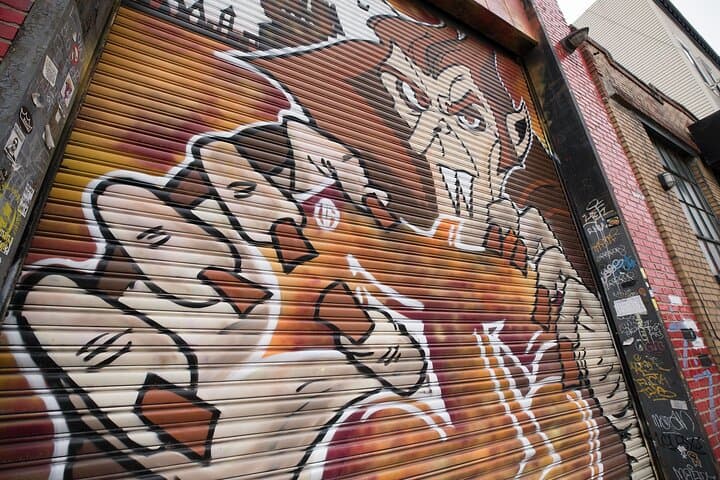
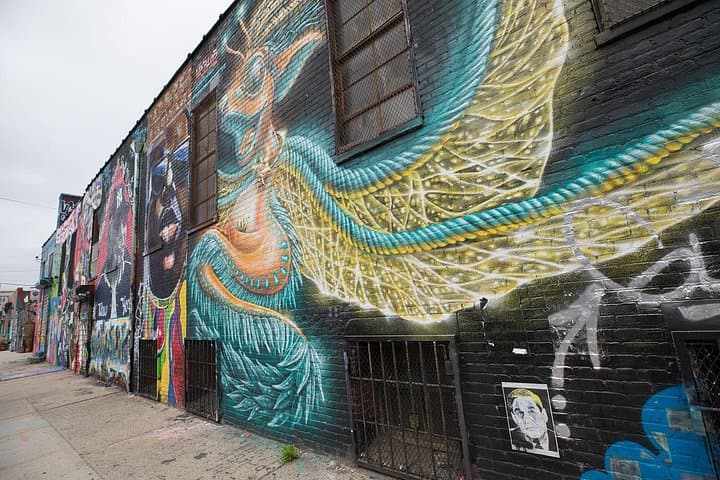
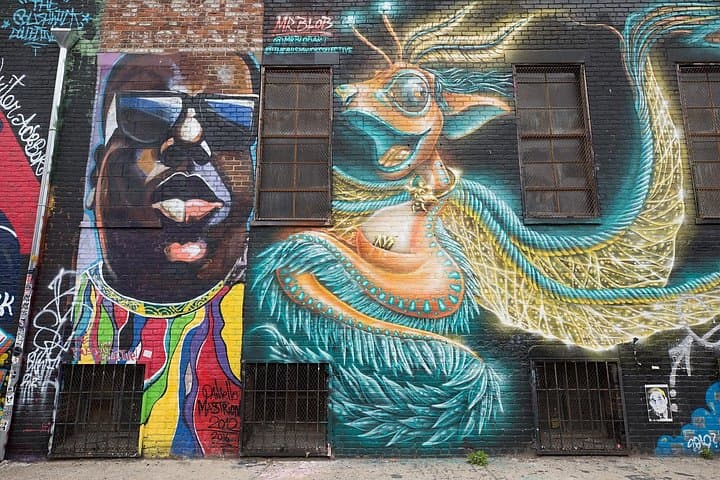
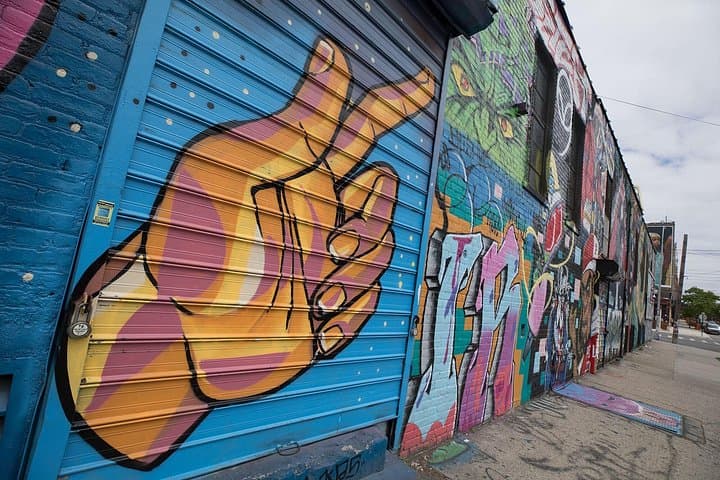
The walk opens under the hard light of Wyckoff Avenue, murals towering like weathered billboards that dare you to look closer. Paint peels and taglines crowd corrugated metal; alleyways funnel color and texture into tight frames. As you move through the Bushwick Collective and adjacent blocks, the neighborhood becomes both subject and collaborator, challenging composition and timing.
Verified experiences and guided adventures in the surrounding area.
Operated by New York City Photo Safari · Brooklyn, New York
The walk opens under the hard light of Wyckoff Avenue, murals towering like weathered billboards that dare you to look closer. Paint peels and taglines crowd corrugated metal; alleyways funnel color and texture into tight frames. As you move through the Bushwick Collective and adjacent blocks, the neighborhood becomes both subject and collaborator, challenging composition and timing.
Bushwick’s walls began as canvases after an industrial decline left plenty of brick and concrete, and by the early 2000s artists, collectives and property owners turned facades into public galleries. The geology of the place—dense masonry, steel fire escapes, and asphalt—shapes how murals age. You’ll see work from international street artists beside local paste-ups; the area’s culture blends immigrant histories, DIY art scenes, and a small-business backbone that keeps murals visible and evolving.
Practically: the tour is a 2.5-hour, mostly flat, urban walk on paved streets and occasional alleys. Expect frequent stops for instruction on framing, contrast, and using light to add drama. Golden hour yields the richest colors; midday light is harsh but reveals texture. Bring fully charged batteries and spare cards—opportunities appear quickly and disappear as walls are repainted.
Accessibility is good on main routes, and the pace is moderate; photographers of all levels can expect hands-on composition tips from a pro. This is a workshop that teaches you to see the city differently: not just as backdrop, but as an active, changing partner in every image.
easy.
2–3 hours.
Moderate—mostly standing and walking on flat pavement; comfortable for most fitness levels
The tour lasts about 2.5 hours and covers roughly 1.5–3 miles on flat, paved streets with frequent stops for shooting and instruction.
Yes—guides tailor instruction for all levels and will cover composition and settings for phones as well as dedicated cameras.
Yes—meet at the corner of Wyckoff and Jefferson, which is served by nearby subway lines and local buses; the area has sidewalk and wheelchair-accessible routes on main streets.
Small tripods and stabilizers are fine, but large rigs may be impractical on narrow sidewalks and during moving stops—check with the guide for specific needs.
Once an industrial corridor of factories and warehouses, Bushwick transformed in the 2000s into an open-air gallery as artists repurposed unused facades.
Street art is ephemeral—respect walls that are on private property, avoid altering works, and pack out any trash to keep the neighborhood open to public art.
New York City Photo Safari operates guided outdoor trips and adventures with an emphasis on safety, stewardship, and memorable experiences.
The walk opens under the hard light of Wyckoff Avenue, murals towering like weathered billboards that dare you to look closer. Paint peels and taglines crowd corrugated metal; alleyways funnel color and texture into tight frames. As you move through the Bushwick Collective and adjacent blocks, the neighborhood becomes both subject and collaborator, challenging composition and timing.
The walk opens under the hard light of Wyckoff Avenue, murals towering like weathered billboards that dare you to look closer. Paint peels and taglines crowd corrugated metal; alleyways funnel color and texture into tight frames. As you move through the Bushwick Collective and adjacent blocks, the neighborhood becomes both subject and collaborator, challenging composition and timing.
Bushwick’s walls began as canvases after an industrial decline left plenty of brick and concrete, and by the early 2000s artists, collectives and property owners turned facades into public galleries. The geology of the place—dense masonry, steel fire escapes, and asphalt—shapes how murals age. You’ll see work from international street artists beside local paste-ups; the area’s culture blends immigrant histories, DIY art scenes, and a small-business backbone that keeps murals visible and evolving.
Practically: the tour is a 2.5-hour, mostly flat, urban walk on paved streets and occasional alleys. Expect frequent stops for instruction on framing, contrast, and using light to add drama. Golden hour yields the richest colors; midday light is harsh but reveals texture. Bring fully charged batteries and spare cards—opportunities appear quickly and disappear as walls are repainted.
Accessibility is good on main routes, and the pace is moderate; photographers of all levels can expect hands-on composition tips from a pro. This is a workshop that teaches you to see the city differently: not just as backdrop, but as an active, changing partner in every image.