THE ADVENTURE COLLECTIVE® · Independent discovery and booking for outdoor travel

Spend a focused day learning essential bushcraft near Launceston: tarp rigs, firecraft, water purification and survival psychology taught in a hands-on, private field course. Ideal for hikers and outdoor guides wanting practical, immediately usable skills.
Spend a focused day learning essential bushcraft near Launceston: tarp rigs, firecraft, water purification and survival psychology taught in a hands-on, private field course. Ideal for hikers and outdoor guides wanting practical, immediately usable skills.
A low wind moves through dry eucalyptus as participants gather on compacted river flats outside Launceston, gear laid out like tools at an apprentice’s bench. The instructor cuts a length of cord, and the forest leans in—branches creaking as if eager to be used. For one focused day you trade creature comforts for practical skills: tarp rigs, firecraft, natural shelters and water treatment taught in a hands-on field setting.
Verified experiences and guided adventures in the surrounding area.
Operated by Survival Courses Tasmania · Launceston, Tasmania
A low wind moves through dry eucalyptus as participants gather on compacted river flats outside Launceston, gear laid out like tools at an apprentice’s bench. The instructor cuts a length of cord, and the forest leans in—branches creaking as if eager to be used. For one focused day you trade creature comforts for practical skills: tarp rigs, firecraft, natural shelters and water treatment taught in a hands-on field setting.
Tasmania’s north has a layered past—Palawa country long stewarded by Indigenous people, followed by European settlers who shaped the pasture and timber landscape. The geology is a mix of basalt and sedimentary pockets; creeks cut steep gullies that make excellent natural classrooms for shelter building and water sourcing. Local culture still prizes self-reliance and outdoor competence; learning bushcraft here connects to those traditions.
Participants can expect structured modules: survival priorities, survival psychology, essential kit (14 items), knife selection, basic knots, simple first-aid and snake-bite management, natural navigation, rescue signals, modern tarp setups and water purification. The course is private and wheelchair-accessible, runs about eight hours, and includes tea and coffee.
Practical guidance: wear sturdy boots and layered clothing for variable weather; bring at least 2 liters of water, sun protection and a small daypack. Expect hands-on practice—shelter building and fire primer—so fabric gets dirty. Morning light is best for navigation exercises and afternoon for shelter and fire drills. This course is ideal for hikers, hunters and outdoor guides looking to solidify core survival techniques without overnight exposure.
moderate.
8 hours.
Light to moderate fitness; able to walk short distances, kneel, and perform manual tasks throughout the day.
No—this course is designed for beginners and covers foundational skills with hands-on guidance.
Yes. The operator lists wheelchair accessibility and accessible transportation options—confirm needs when booking.
No. This is a one-day, field-based course; overnight stays are not part of the standard itinerary.
The syllabus includes basic wilderness first aid and snake-bite management; instructors teach avoidance and response strategies.
The region sits on Palawa land with a strong tradition of seasonal resource use; European settlement later introduced pastoral and timber industries that reshaped the landscape.
Leave No Trace principles are emphasized; Tasmania also runs ongoing feral animal control and habitat restoration programs that protect native species.
Survival Courses Tasmania operates guided outdoor trips and adventures with an emphasis on safety, stewardship, and memorable experiences.
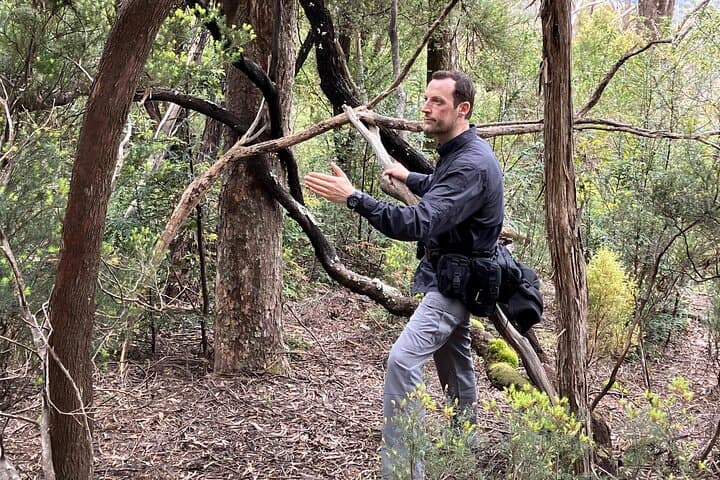

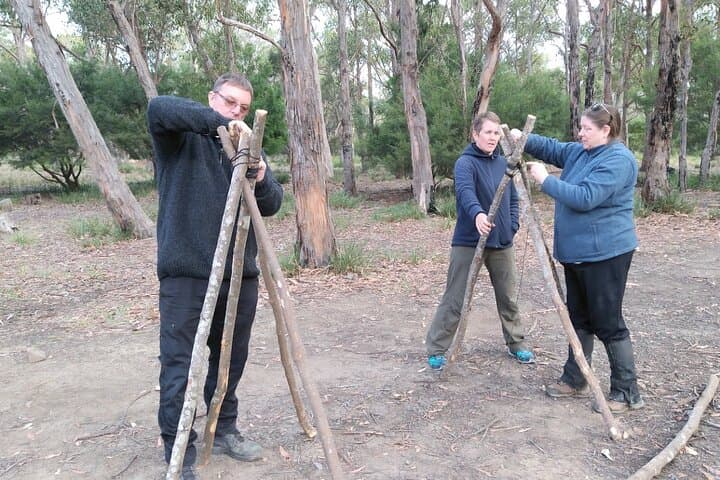
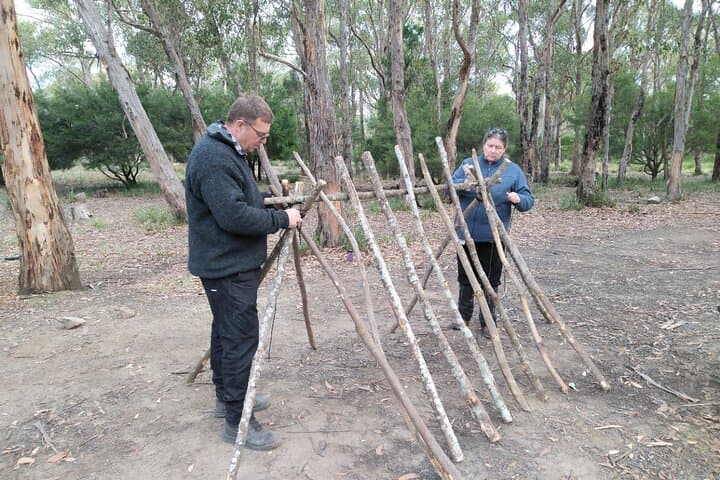
A low wind moves through dry eucalyptus as participants gather on compacted river flats outside Launceston, gear laid out like tools at an apprentice’s bench. The instructor cuts a length of cord, and the forest leans in—branches creaking as if eager to be used. For one focused day you trade creature comforts for practical skills: tarp rigs, firecraft, natural shelters and water treatment taught in a hands-on field setting.
A low wind moves through dry eucalyptus as participants gather on compacted river flats outside Launceston, gear laid out like tools at an apprentice’s bench. The instructor cuts a length of cord, and the forest leans in—branches creaking as if eager to be used. For one focused day you trade creature comforts for practical skills: tarp rigs, firecraft, natural shelters and water treatment taught in a hands-on field setting.
Tasmania’s north has a layered past—Palawa country long stewarded by Indigenous people, followed by European settlers who shaped the pasture and timber landscape. The geology is a mix of basalt and sedimentary pockets; creeks cut steep gullies that make excellent natural classrooms for shelter building and water sourcing. Local culture still prizes self-reliance and outdoor competence; learning bushcraft here connects to those traditions.
Participants can expect structured modules: survival priorities, survival psychology, essential kit (14 items), knife selection, basic knots, simple first-aid and snake-bite management, natural navigation, rescue signals, modern tarp setups and water purification. The course is private and wheelchair-accessible, runs about eight hours, and includes tea and coffee.
Practical guidance: wear sturdy boots and layered clothing for variable weather; bring at least 2 liters of water, sun protection and a small daypack. Expect hands-on practice—shelter building and fire primer—so fabric gets dirty. Morning light is best for navigation exercises and afternoon for shelter and fire drills. This course is ideal for hikers, hunters and outdoor guides looking to solidify core survival techniques without overnight exposure.