THE ADVENTURE COLLECTIVE® · Independent discovery and booking for outdoor travel

Taste Dongnae’s street flavors on a three-hour walking tour that pairs market stalls, a hanbok photo stop, and a local lunch. Perfect for travelers who want an approachable, neighborhood-first food experience in Busan.
Taste Dongnae’s street flavors on a three-hour walking tour that pairs market stalls, a hanbok photo stop, and a local lunch. Perfect for travelers who want an approachable, neighborhood-first food experience in Busan.
You meet in front of Exit 2 of Dongnae Station, where steam from griddles and the clack of ceramic cups form the first chorus of the day. The neighborhood unfolds in compact alleys: vendors flip savory pancakes, a vendor presses warm hotteok, and a teahouse pours dark, aromatic brews that pull you into conversation with strangers.
Verified experiences and guided adventures in the surrounding area.
Operated by 트립0820 · Busan, Busan
You meet in front of Exit 2 of Dongnae Station, where steam from griddles and the clack of ceramic cups form the first chorus of the day. The neighborhood unfolds in compact alleys: vendors flip savory pancakes, a vendor presses warm hotteok, and a teahouse pours dark, aromatic brews that pull you into conversation with strangers.
Dongnae has long been a crossroads—historically a defensive point against invasions and today a borough shaped by the Sea of Japan (East Sea) and the Nakdong River’s sediments. Granite outcrops and low hills guide narrow streets, and local flavors grew from that maritime-neighborhood mix: salted seafood, battered vegetables, and hearty stews made for busy port workers.
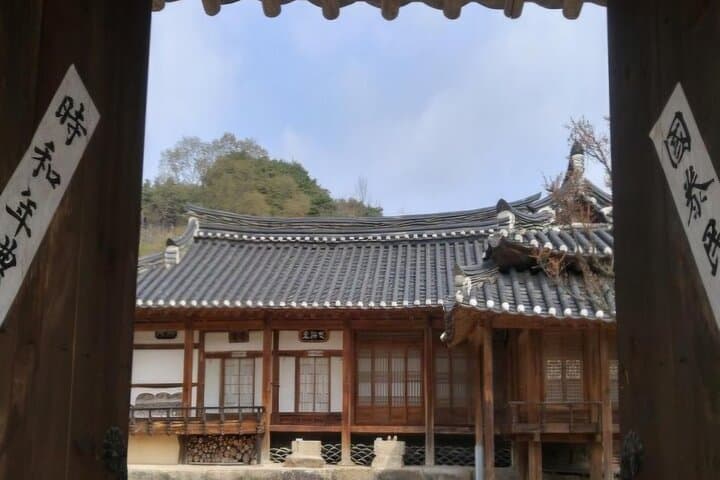
On this three-hour walking tour you move at a steady, social pace: tasting stations, a hanbok photo stop, and a local lunch that highlights regional dishes. The guide’s bilingual commentary links recipes to culture—why this pancake is different here, how tea rituals changed with traders, and where Dongnae’s market traditions began.
Practical guidance: arrive 10 minutes early, carry a bit of cash for small stalls, and wear comfortable shoes—cobblestones and short stairways are common. Bring a reusable water bottle and a lightweight daypack; summer humidity and sudden rain are possibilities. If you have dietary restrictions, tell the operator when booking so vendors can adapt portions.
This tour is best for anyone who likes food-led exploration and wants to see an everyday neighborhood shaped by history, sea, and local hands.
easy.
3 hours.
Suitable for all fitness levels; expect 1–2 miles of easy urban walking with some stairs and standing at food stalls.
The guide speaks both English and Japanese, and can provide cultural context and menu explanations in those languages.
Yes—lunch, selected tastings, and coffee or tea are included as described in the tour inclusions.
The tour is family-friendly; infants must sit on an adult’s lap and parents should bring any needed supplies.
Yes; indicate allergies or restrictions when booking so the operator can adapt stops where possible.
Dongnae was historically a fortified district and trade point; its food traditions reflect centuries of coastal commerce and local market culture.
Support small vendors and minimize single-use plastics by bringing a reusable bottle and bag; avoid leaving food waste in alleys and use public trash points.
트립0820 operates guided outdoor trips and adventures with an emphasis on safety, stewardship, and memorable experiences.
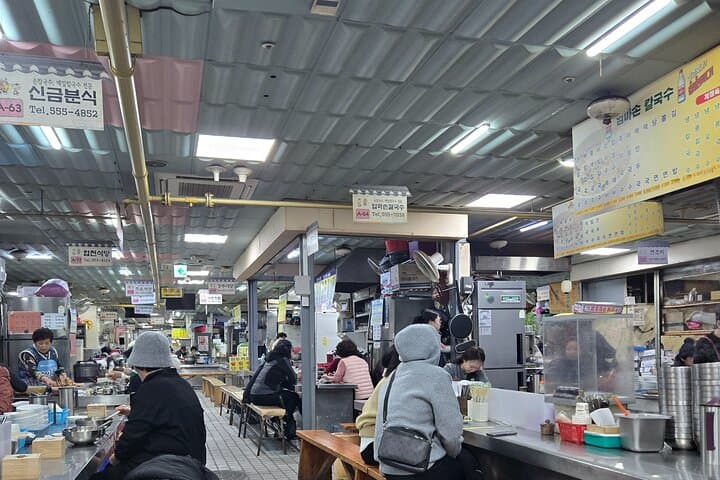
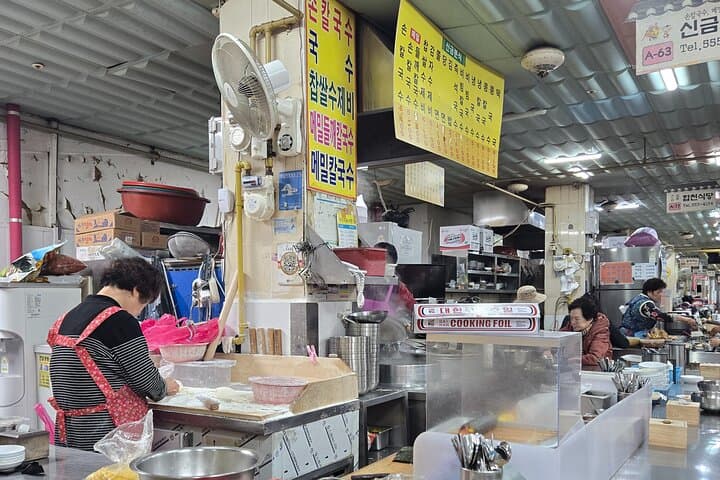
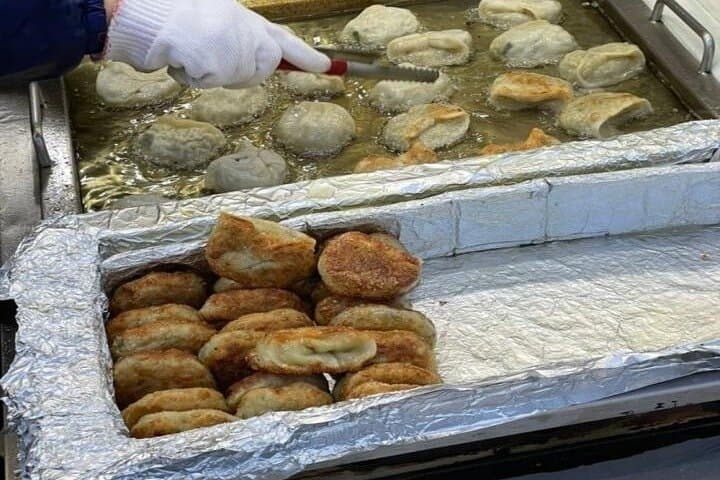
You meet in front of Exit 2 of Dongnae Station, where steam from griddles and the clack of ceramic cups form the first chorus of the day. The neighborhood unfolds in compact alleys: vendors flip savory pancakes, a vendor presses warm hotteok, and a teahouse pours dark, aromatic brews that pull you into conversation with strangers.
You meet in front of Exit 2 of Dongnae Station, where steam from griddles and the clack of ceramic cups form the first chorus of the day. The neighborhood unfolds in compact alleys: vendors flip savory pancakes, a vendor presses warm hotteok, and a teahouse pours dark, aromatic brews that pull you into conversation with strangers.
Dongnae has long been a crossroads—historically a defensive point against invasions and today a borough shaped by the Sea of Japan (East Sea) and the Nakdong River’s sediments. Granite outcrops and low hills guide narrow streets, and local flavors grew from that maritime-neighborhood mix: salted seafood, battered vegetables, and hearty stews made for busy port workers.
On this three-hour walking tour you move at a steady, social pace: tasting stations, a hanbok photo stop, and a local lunch that highlights regional dishes. The guide’s bilingual commentary links recipes to culture—why this pancake is different here, how tea rituals changed with traders, and where Dongnae’s market traditions began.
Practical guidance: arrive 10 minutes early, carry a bit of cash for small stalls, and wear comfortable shoes—cobblestones and short stairways are common. Bring a reusable water bottle and a lightweight daypack; summer humidity and sudden rain are possibilities. If you have dietary restrictions, tell the operator when booking so vendors can adapt portions.
This tour is best for anyone who likes food-led exploration and wants to see an everyday neighborhood shaped by history, sea, and local hands.