THE ADVENTURE COLLECTIVE® · Independent discovery and booking for outdoor travel

Ride the Haeyang Bridge to Geoje Island and witness winter cod and clam auctions where buyers move fast and seafood is sold by the minute. This guided half-day tour pairs market theatre with fresh coastal flavors and a Dadaepo Beach sunset.
Ride the Haeyang Bridge to Geoje Island and witness winter cod and clam auctions where buyers move fast and seafood is sold by the minute. This guided half-day tour pairs market theatre with fresh coastal flavors and a Dadaepo Beach sunset.
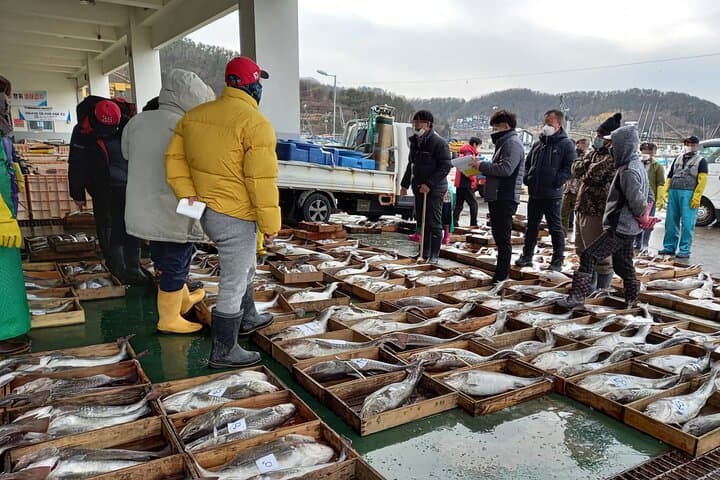
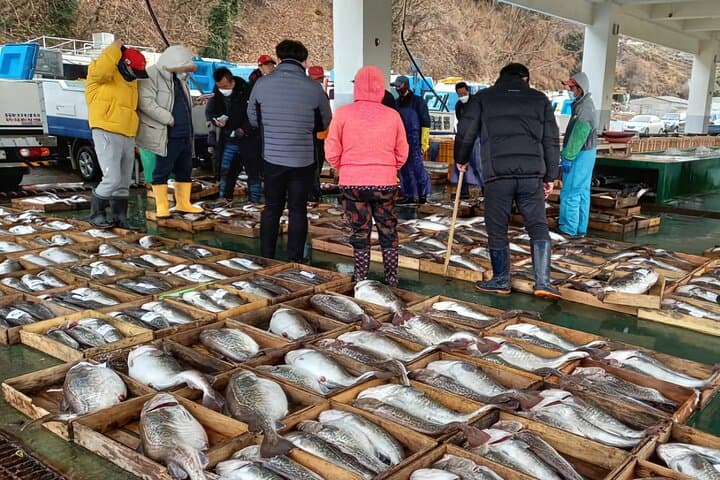
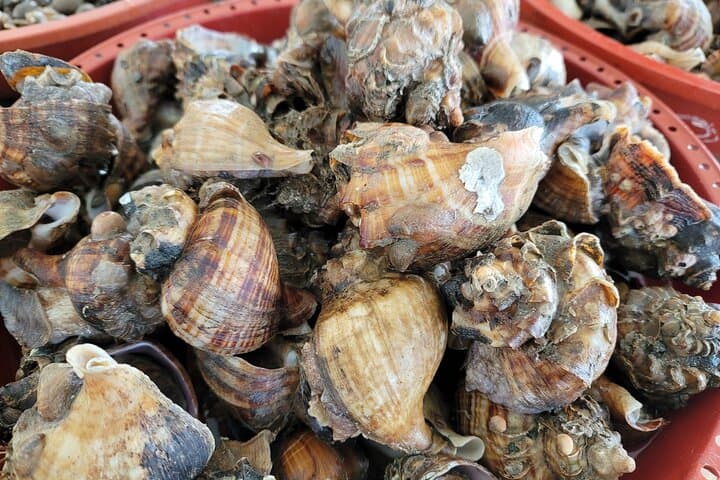
A cold wind off the Korea Strait pushes across the Haeyang Bridge as the bus slips toward Geoje Island, steel rails humming beneath. In winter the island’s fishing ports feel alive in a different way: nets creak like old voices and shopkeepers move with the practiced speed of people who buy and sell perishable treasure. You arrive at a small fishing village where cod—heavy-bodied and pale from cold waters—is laid out on ice and shouted over by buyers; a clam auction follows, where chain-slung baskets are flipped and counted with equal gravity.
Verified experiences and guided adventures in the surrounding area.
Operated by Dorawayo experience activity · Geoje, South Gyeongsang
A cold wind off the Korea Strait pushes across the Haeyang Bridge as the bus slips toward Geoje Island, steel rails humming beneath. In winter the island’s fishing ports feel alive in a different way: nets creak like old voices and shopkeepers move with the practiced speed of people who buy and sell perishable treasure. You arrive at a small fishing village where cod—heavy-bodied and pale from cold waters—is laid out on ice and shouted over by buyers; a clam auction follows, where chain-slung baskets are flipped and counted with equal gravity.
Geoje's coastline is a product of tectonic carving and tidal persistence: granite bays and sandy shelves that support both wild haul and aquaculture. The island’s fishing culture traces generations of families who read weather and tide as closely as any calendar; local dishes such as pollack soup and freshly steamed clams reflect that practical, coastal cuisine.
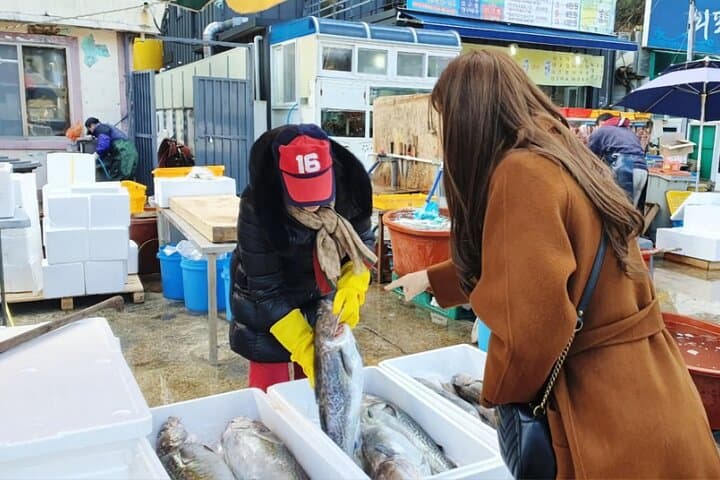
For travelers this is part market, part field lesson. Expect active bidding, quick movement, and the chance to buy seafood to cook where you’re staying if your accommodation allows. The route crosses the scenic Haeyang Bridge, giving a wide coastal view en route from Busan’s Hadan station, and the tour wraps with a sunset window at Dadaepo Beach.
Practical guidance: dress warm and waterproof, bring shoes with good traction for wet docks, and arrive with small cash if you want to purchase seafood. Photography is welcomed but follow guides and auction rules—auctions are a workplace first. The trip runs November–February; plan for early afternoons and variable sea winds.
easy.
6–7 hours.
Suitable for travelers of average fitness; minimal walking but standing during auctions and on docks required.
No; tours include guides who explain the process in English, but auctions move fast—follow the guide's instructions for photography and behavior.
Auctions are generally appropriate for children but can be loud and crowded—parents should supervise closely.
The operator may cancel in severe weather; the listing notes cancellations are possible for unsafe conditions and tickets are non-refundable.
Geoje Island has long been a maritime hub shaped by its location on trading and fishing routes; local fishing techniques and markets reflect centuries of coastal adaptation.
Seasonal fishing regulations and local aquaculture practices aim to reduce overharvesting; visitors should avoid disturbing gear and follow sustainable purchase advice from guides.
Dorawayo experience activity operates guided outdoor trips and adventures with an emphasis on safety, stewardship, and memorable experiences.
A cold wind off the Korea Strait pushes across the Haeyang Bridge as the bus slips toward Geoje Island, steel rails humming beneath. In winter the island’s fishing ports feel alive in a different way: nets creak like old voices and shopkeepers move with the practiced speed of people who buy and sell perishable treasure. You arrive at a small fishing village where cod—heavy-bodied and pale from cold waters—is laid out on ice and shouted over by buyers; a clam auction follows, where chain-slung baskets are flipped and counted with equal gravity.
A cold wind off the Korea Strait pushes across the Haeyang Bridge as the bus slips toward Geoje Island, steel rails humming beneath. In winter the island’s fishing ports feel alive in a different way: nets creak like old voices and shopkeepers move with the practiced speed of people who buy and sell perishable treasure. You arrive at a small fishing village where cod—heavy-bodied and pale from cold waters—is laid out on ice and shouted over by buyers; a clam auction follows, where chain-slung baskets are flipped and counted with equal gravity.
Geoje's coastline is a product of tectonic carving and tidal persistence: granite bays and sandy shelves that support both wild haul and aquaculture. The island’s fishing culture traces generations of families who read weather and tide as closely as any calendar; local dishes such as pollack soup and freshly steamed clams reflect that practical, coastal cuisine.
For travelers this is part market, part field lesson. Expect active bidding, quick movement, and the chance to buy seafood to cook where you’re staying if your accommodation allows. The route crosses the scenic Haeyang Bridge, giving a wide coastal view en route from Busan’s Hadan station, and the tour wraps with a sunset window at Dadaepo Beach.
Practical guidance: dress warm and waterproof, bring shoes with good traction for wet docks, and arrive with small cash if you want to purchase seafood. Photography is welcomed but follow guides and auction rules—auctions are a workplace first. The trip runs November–February; plan for early afternoons and variable sea winds.